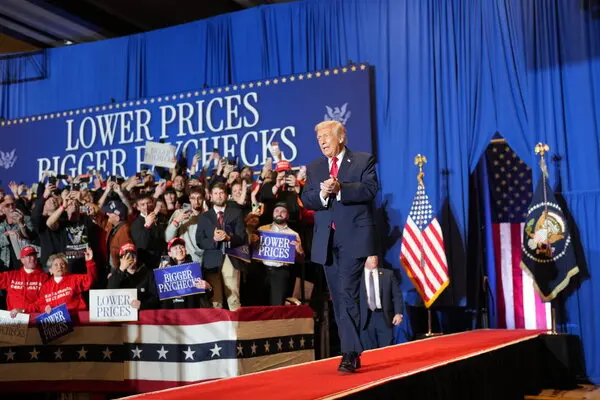
Trump Stresses Inflation Strategy During Pennsylvania Appearance While Turning Attention Toward Immigration
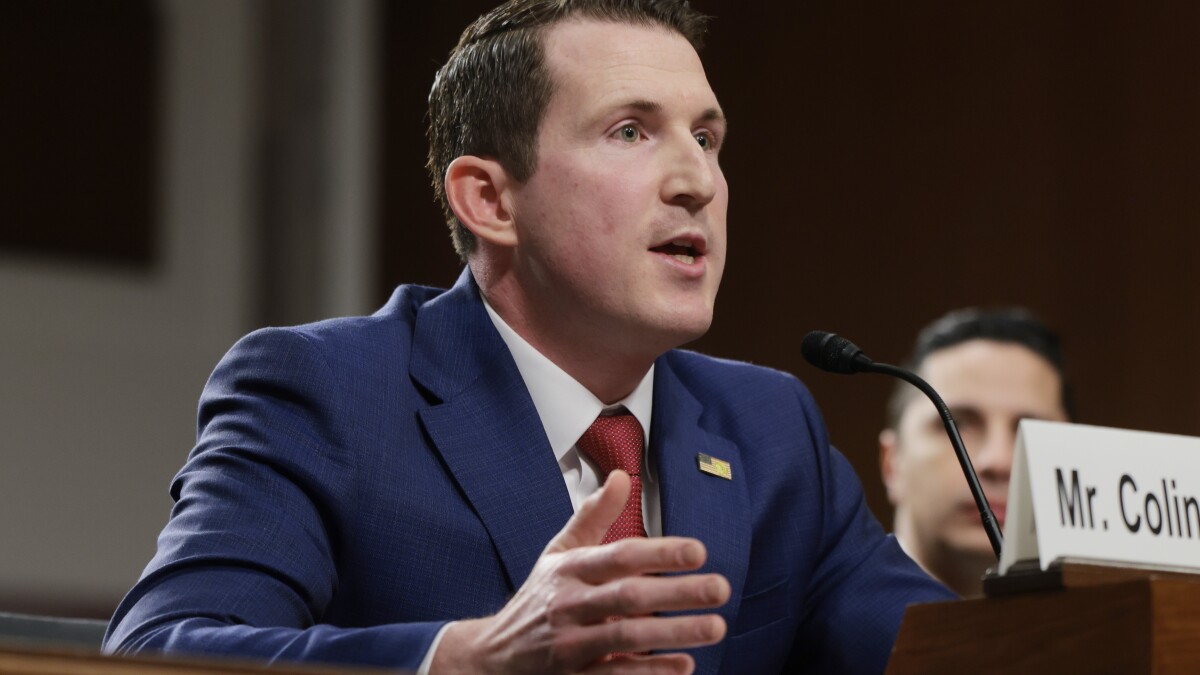
During a visit to Mount Pocono, Pennsylvania, President Donald Trump centered his message on the administration’s efforts to address inflation, even as concerns over rising prices continue to affect people across the country. While he stated that inflation was no longer an issue, many Americans remain attentive to the cost of groceries, electricity, utilities, and housing. As part of his presentation, Trump contrasted price trends observed under previous leadership with those during his current term, arguing that tariff policies and domestic economic initiatives would strengthen long-term affordability. His remarks at the Mount Airy Casino Resort reflected his familiar blend of economic messaging and broader political themes, including a renewed focus on immigration and the role of demographic changes in the country’s workforce and consumer market.
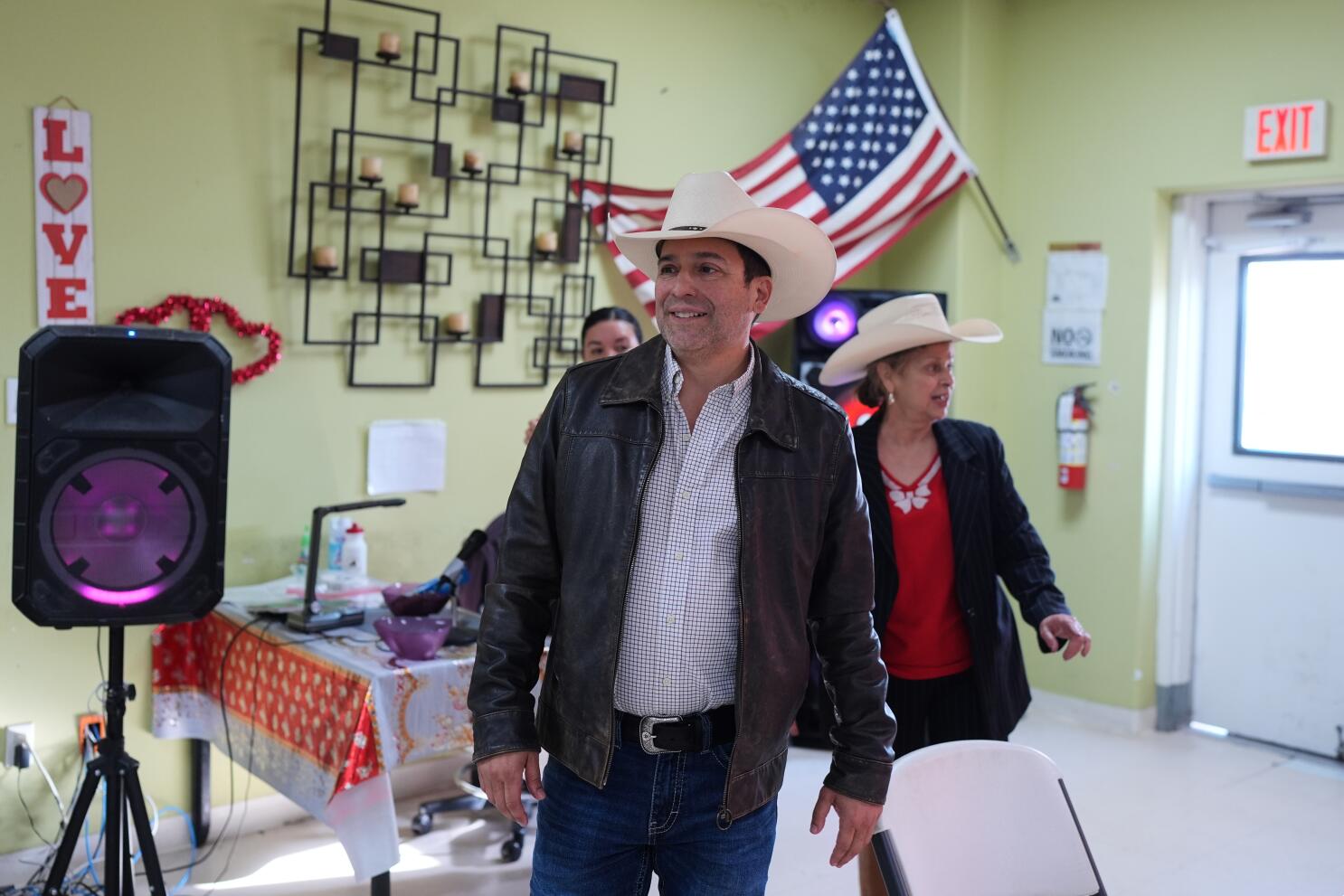
The event took place in a competitive congressional district that could influence the balance of power in next year’s midterm elections. The region, known for tourism tied to the Pocono Mountains and positioned within driving distance of New York City, has experienced population shifts as individuals seek more affordable living options. Local communities have become increasingly attentive to rising costs and uncertainty surrounding economic forecasts for 2025.
Inflation Concerns Intensify as Voters React to Tariffs and Living Costs
Economic anxiety has continued to shape voter attitudes as many residents report significant increases in food, rent, and utility costs. Local shoppers have observed higher grocery bills month after month, contributing to concerns about whether inflation can meaningfully decline. For Americans looking to understand how inflation tracking works, resources on price trends and consumer data can be explored through the Bureau of Labor Statistics at https://www.bls.gov.
Tariffs implemented earlier in the year have influenced markets in ways that economists continue to monitor, prompting questions about how continued increases in import costs may affect long-term purchasing power. While the administration argues that strengthened domestic production will offset short-term price hikes, many households are adapting by reducing nonessential spending, postponing major purchases or seeking ways to manage daily budgets. Information related to household financial planning is available through MyMoney.gov at https://www.mymoney.gov.
Concerns among Monroe County residents mirror broader national surveys showing divided opinions about the administration’s economic performance. Some supporters believe improved production capacity and investments in artificial intelligence will eventually reduce costs for consumers. Others blame tariffs for driving up everyday expenses and question whether the administration’s current strategy will yield the promised relief.
Immigration Commentary Returns as Trump Revisits Past Remarks
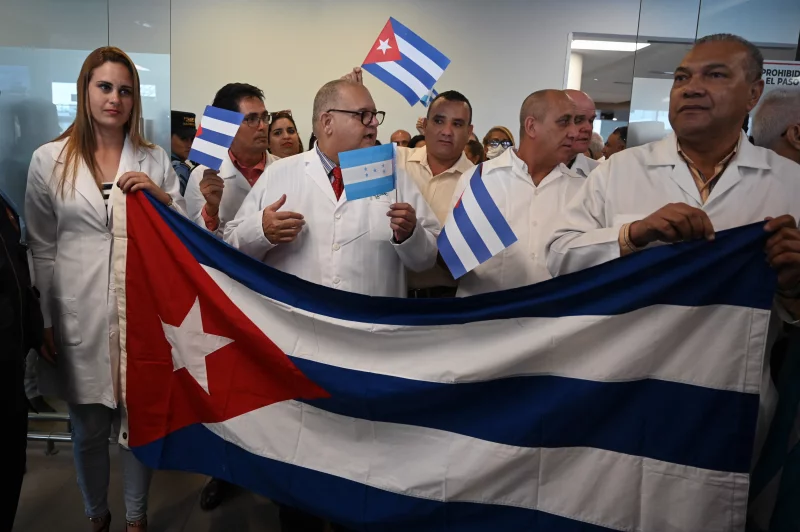
Alongside economic topics, Trump shifted into immigration rhetoric, echoing statements that previously drew national attention. His remarks referenced countries he described as unstable, contrasting them with nations he characterized as more desirable for new immigration. This aspect of his message resonated with some attendees while drawing criticism from others who questioned the connection between immigration patterns and inflationary pressures.
The administration has continued to evaluate immigration policies that intersect with economic and workforce objectives. For readers seeking additional context on how immigration can influence labor markets and demographic trends, the U.S. Citizenship and Immigration Services provides public information at https://www.uscis.gov. Policymakers continue to debate strategies intended to balance labor needs, border management, and long-term economic growth. These debates will likely remain central leading into next year’s congressional contests, especially in competitive districts where economic and demographic issues intersect.
Midterm Strategy Takes Shape as Trump Expands Public Engagement
As the midterm elections approach, Trump’s political team has signaled plans to increase his presence in battleground regions. With voter turnout expected to play a decisive role, the administration aims to energize supporters who may otherwise be less likely to participate in off-cycle elections. Comments from senior staff suggest that traditional midterm strategies designed to separate the presidency from local races may be set aside in favor of a more direct, nationalized campaign effort.
Economic messaging—particularly around inflation—will remain a central talking point as the administration tries to reconcile claims of economic strength with public skepticism. For individuals tracking economic indicators beyond inflation, resources from the U.S. Department of Commerce are available at https://www.commerce.gov, offering data on manufacturing, consumer spending, and national growth projections.
The political environment in Monroe County and across Pennsylvania highlights the complexity of voter sentiment as people weigh rising costs, immigration narratives, and economic forecasts. Whether the administration can maintain support in communities facing financial strain will shape the broader political landscape leading into the midterms.