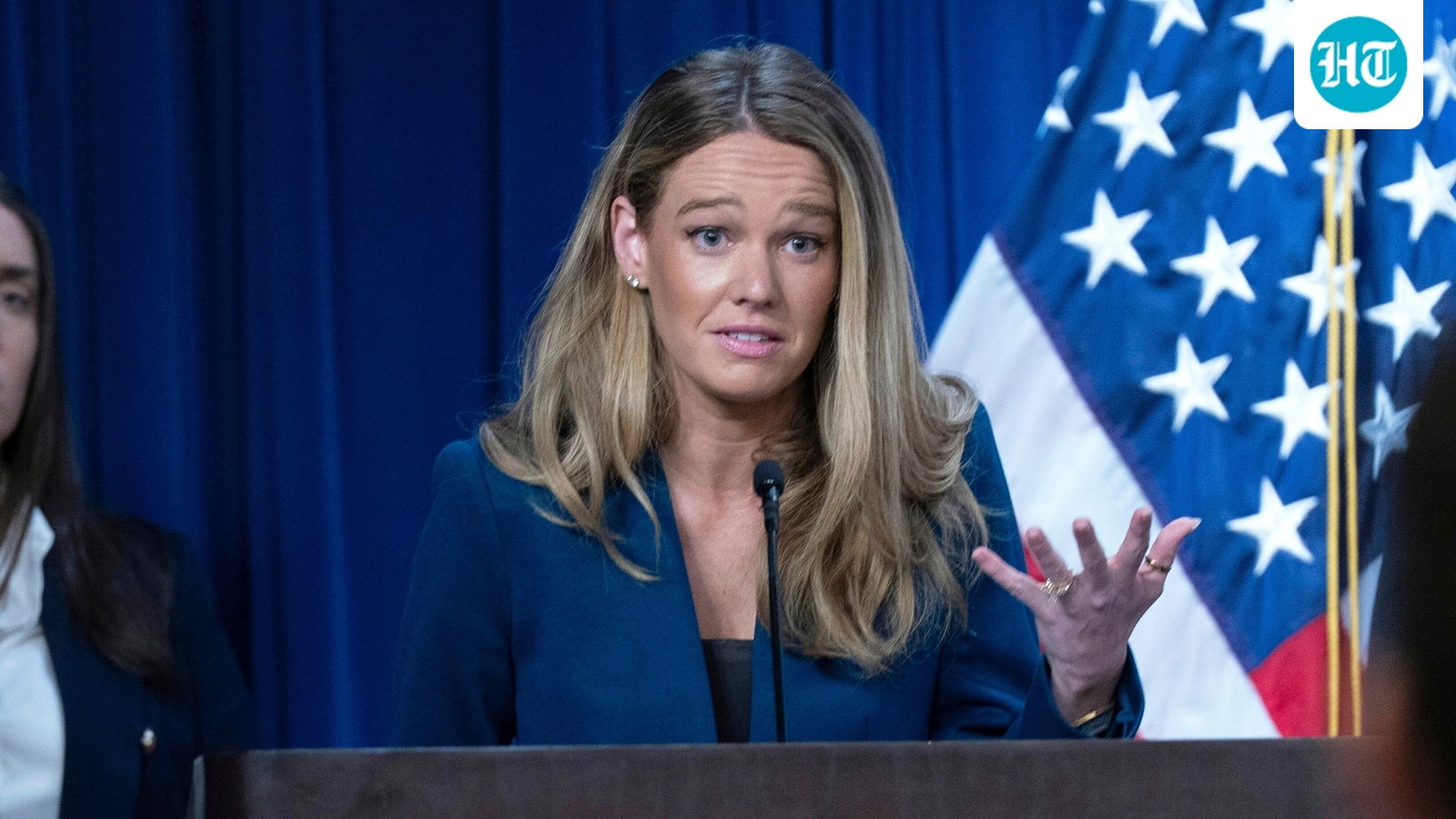
A senior communications figure at the Department of Homeland Security is stepping down, marking a significant shift in messaging leadership during one of the most turbulent periods for US immigration policy. Tricia McLaughlin, who served as assistant secretary for public affairs, is departing the agency after becoming one of the most recognizable defenders of the administration’s hardline immigration approach.
Her exit comes as the agency faces a combination of political pressure, congressional scrutiny, and operational uncertainty tied to both funding disputes and high-profile enforcement incidents. Over the past year, McLaughlin emerged as a central public voice backing the immigration crackdown championed by the administration of Donald Trump, frequently appearing in national media and on social platforms to defend controversial policies.
Departure Comes During Agency Turmoil
Officials confirmed that McLaughlin had been planning to leave since late last year but delayed her departure amid a series of crises that intensified scrutiny on the department. The timing of her exit now coincides with a government funding impasse that has left the department partially shut down, raising questions about operational continuity and leadership stability.
At the same time, senior immigration officials have been called before Congress to answer questions regarding enforcement tactics and recent fatal encounters involving federal agents. Lawmakers from both parties have pressed for more transparency around use-of-force policies and public communications, placing the department’s messaging strategy under renewed examination.
McLaughlin’s departure leaves uncertainty about who will take over as the agency’s primary spokesperson, especially as immigration continues to dominate national political debate and media coverage.
Public Face of Hardline Immigration Messaging
During her tenure, McLaughlin became one of the most visible communicators associated with the administration’s immigration push. She regularly appeared on television networks and online platforms to highlight enforcement actions, promote deportation initiatives, and defend agency leadership during controversies.
Her responsibilities extended beyond immigration alone, as she also addressed disaster response, homeland security coordination, and broader departmental priorities. Still, immigration remained the defining focus of her role, with messaging often centered on deterrence strategies and public campaigns encouraging voluntary departures.
The communications approach drew both support and criticism. Advocates of stricter immigration enforcement praised her assertive messaging style, while critics argued that public statements sometimes escalated tensions and oversimplified complex enforcement realities.
Political Reactions and Leadership Questions
The announcement triggered immediate political reaction across Washington. Kristi Noem, who has overseen the department during a period of heightened enforcement, publicly praised McLaughlin’s service, describing her tenure as marked by dedication and professionalism.
However, opposition lawmakers framed the departure differently, portraying it as a reflection of growing dissatisfaction with the department’s direction and communications strategy. Some congressional leaders have called for broader leadership changes, signaling that the political fallout surrounding immigration enforcement may continue.
The department has not yet named a successor, and it remains unclear whether leadership will prioritize continuity or pivot toward a different tone in public messaging. Analysts note that communications strategy will likely play a crucial role as the agency navigates upcoming legislative battles and ongoing oversight hearings.
With immigration poised to remain a defining national issue heading into future election cycles, the loss of a high-profile spokesperson could reshape how the department presents its policies and responds to criticism. Whether the next communications leader adopts a more conciliatory approach or doubles down on the existing strategy may influence both public perception and policy debates in the months ahead.