Valentine’s Day is widely associated with romance, flowers, and declarations of love, but the holiday’s origins are far more complex — and far darker — than its modern image suggests. Long before candy hearts and red roses became symbols of affection, the mid-February celebration was rooted in ancient rituals marked by violence, fertility rites, and religious transformation. Over centuries, the day evolved through political decisions, literary influence, and commercial expansion, eventually becoming the global phenomenon we recognize today.
Violent Roman Festivals and the Roots of the Holiday
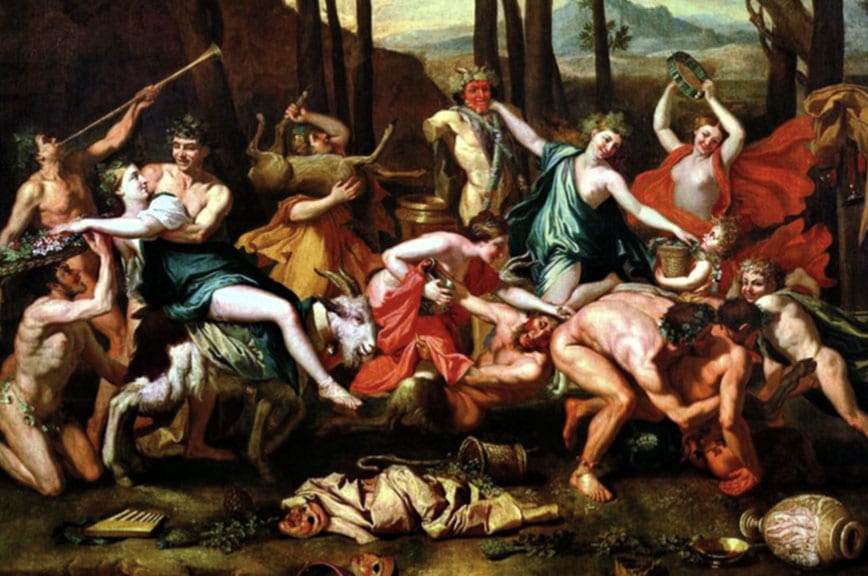
Many historians trace the beginnings of Valentine’s Day to ancient Rome and the festival of Lupercalia, held annually from February 13 to 15. The pagan celebration honored fertility and purification but involved brutal and symbolic acts that would seem shocking by modern standards. Roman priests sacrificed goats and dogs, then used strips of animal hide to whip women in public ceremonies believed to promote fertility.
According to historical interpretations shared by scholars such as those at Yale University, the rituals were chaotic and highly theatrical. Men often drank heavily and participated in matchmaking lotteries, drawing women’s names at random to form temporary pairings. These pairings could last only during the festival or extend into longer relationships, blending ritual with social bonding.
The association with the name “Valentine” emerged later during the Roman Empire. Emperor Claudius II reportedly ordered the execution of two men named Valentine on separate February 14 dates in the third century. Both were later venerated as martyrs by early Christians, creating a link between the date and the name that persists today. You can explore early Roman festivals in more detail through resources like
https://www.britannica.com/topic/Lupercalia.
Christianity, Saints, and Medieval Reinvention
By the fifth century, the Christian Church sought to replace pagan celebrations with religious observances. Pope Gelasius I officially established St. Valentine’s Day, attempting to overlay Christian meaning onto lingering Roman traditions. While the Church aimed to suppress pagan elements, cultural memory ensured that themes of fertility and romance remained embedded in the celebration.
During the Middle Ages, European writers began reshaping the day’s identity. Poets like Geoffrey Chaucer linked mid-February with courtly love, portraying it as a time when birds chose their mates. Later, William Shakespeare further romanticized the date through references in plays and sonnets, embedding Valentine’s Day into the literary imagination of Britain and beyond.
These literary contributions helped transform the holiday into a celebration of romance rather than ritual. Handmade Valentine cards appeared during the medieval period, particularly in England and France, laying the foundation for traditions that continue today. Historical Valentine manuscripts and early romantic poetry can be explored through collections like
https://www.bl.uk/romantics-and-victorians/articles/valentines-day-history.
Industrialization and the Rise of a Commercial Holiday
Valentine’s Day underwent its most dramatic transformation during the Industrial Revolution. Advances in printing technology made it possible to mass-produce greeting cards, turning a personal tradition into a scalable industry. By the 19th century, factory-made valentines were widely distributed across Europe and North America.
One of the most influential companies in shaping the modern holiday was Hallmark, which began producing Valentine’s Day cards in 1913. The company’s success helped standardize the imagery now associated with the holiday — hearts, cupids, and sentimental messages — and fueled the expansion of seasonal marketing campaigns. The evolution of greeting card culture can be explored further at
https://corporate.hallmark.com/about/.
In the 20th and 21st centuries, Valentine’s Day grew into a multi-billion-dollar global industry. Retail spending now spans jewelry, dining experiences, travel, and digital gifting. Sociologists from institutions such as Rutgers University have argued that modern commercialization reflects broader social expectations about relationships, placing cultural pressure on couples to perform romance through purchases and public gestures.
From Pagan Rituals to Modern Love
Today, Valentine’s Day exists as a layered cultural tradition shaped by centuries of reinvention. Its origins in pagan Rome, transformation through Christian influence, and romanticization by medieval writers all contributed to the holiday’s evolving identity. Industrialization and corporate marketing then propelled it into the global spotlight, turning a once-violent festival into a celebration centered on love, consumerism, and social connection.
Despite its commercialization, the holiday continues to adapt. Some embrace it as a day of romance, while others reinterpret it as a celebration of friendship or self-love. Alternative observances, such as Singles Awareness Day, reflect shifting attitudes toward relationships and independence. Whether celebrated extravagantly or ignored entirely, Valentine’s Day remains a powerful example of how traditions evolve over time — shaped as much by culture and commerce as by history itself.