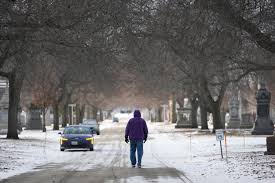
A vast and dangerous winter storm system is sweeping across the United States, placing tens of millions of Americans under winter storm and extreme cold watches as forecasters warn of life-threatening conditions. The sprawling system is expected to stretch from eastern New Mexico across the southern Plains, the Ohio River Valley, and into the Northeast, delivering a complex mix of heavy snow, freezing rain, sleet, and plunging temperatures.
Meteorologists say the storm’s size and slow movement will prolong hazardous conditions over several days, significantly increasing the risks to transportation, infrastructure, and public safety. Travel disruptions are expected to intensify as roads become coated with ice and snow, while aviation and rail systems prepare for widespread delays. Emergency management agencies are urging residents to monitor updates from the National Weather Service and follow safety guidance published on weather.gov to stay informed as conditions rapidly evolve.
Forecast models indicate that the western edge of the storm will begin affecting communities first, with impacts expanding eastward through the weekend and into early next week. In northern regions, particularly across parts of New England, heavy snowfall and snow squalls could sharply reduce visibility and make driving nearly impossible. Farther south, freezing rain and sleet are expected to be the dominant hazards, with ice accumulations posing an especially severe threat to power lines and tree limbs.
Severe Ice and Power Outage Risks
One of the most dangerous aspects of this storm is the potential for crippling ice accumulation across portions of the South and lower Midwest. Regions including northern Louisiana, southeastern Arkansas, northern Mississippi, and parts of Tennessee are forecast to experience significant freezing rain, which can coat surfaces with a thick, nearly invisible layer of ice.
Utility providers are bracing for widespread outages as ice-laden branches snap and fall onto power lines. Experts warn that even moderate ice accumulation can cause extensive damage, but once ice thickness exceeds half an inch, the structural integrity of power infrastructure can be compromised even without falling trees. This raises the likelihood of prolonged outages that could leave communities without electricity or heat for extended periods during extreme cold.
Residents are being encouraged to prepare for the possibility of days-long power disruptions by assembling emergency kits, charging essential devices, and ensuring access to alternative heating methods that meet safety standards. Guidance on emergency preparedness, including how to safely use generators and space heaters, is available through ready.gov, which outlines steps households should take before severe winter weather strikes.
Travel Disruptions and Emergency Declarations
State and local governments across the storm’s projected path are taking proactive measures to reduce the impact on critical services and transportation networks. Several governors have already declared states of emergency, enabling transportation departments to pre-treat highways, deploy snowplows, and stage emergency equipment along major routes.
Motorists are being urged to avoid unnecessary travel, particularly in regions expected to receive freezing rain or heavy snowfall. Officials stress that four-wheel drive does not make vehicles immune to icy conditions, and even experienced winter drivers can lose control on slick roads. The Federal Highway Administration is coordinating with state agencies to provide real-time road condition updates through dot.gov, helping travelers make informed decisions.
Cities and counties are also activating freeze plans, opening warming shelters, and mobilizing emergency responders to assist vulnerable populations. Public transit systems are adjusting schedules and preparing for potential service interruptions as snow and ice accumulate on tracks and overhead lines.
Extreme Cold Lingers After the Storm
Even after the storm system moves eastward, forecasters warn that frigid Arctic air will remain entrenched across much of the country. This prolonged cold snap increases the risk of hypothermia, frozen pipes, and additional strain on power grids already weakened by ice damage.
Health officials are advising residents to limit outdoor exposure, dress in layers, and check on elderly neighbors and those with limited mobility. Community organizations and emergency shelters are expanding capacity to accommodate people who may lose access to heating or electricity. The American Red Cross has issued winter storm safety guidance through redcross.org, emphasizing the importance of having a family communication plan and knowing where to seek shelter if conditions deteriorate.
With the storm’s impacts expected to unfold over several days, authorities continue to stress the importance of preparation and vigilance. From reinforcing home insulation to stocking non-perishable food and bottled water, officials say early action can significantly reduce risks as this powerful winter system bears down on large swaths of the United States.