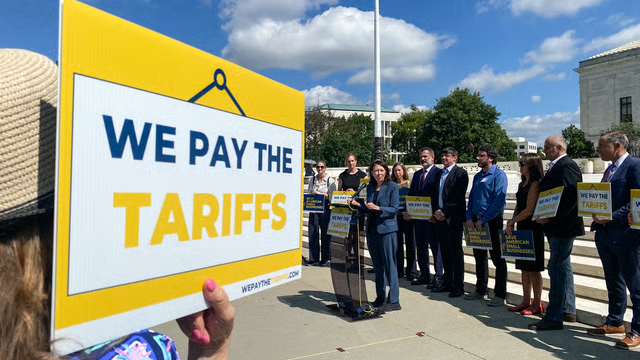
The U.S. Supreme Court has delivered a major ruling that could reshape executive authority over trade policy, striking down former President Donald Trump’s use of emergency powers to impose sweeping tariffs. Following the decision, attorneys representing affected businesses confirmed their clients intend to pursue refunds, arguing that funds collected under the invalidated measures must be returned.
The 6-3 decision represents a significant constitutional test of the balance of power between the White House and Congress. Legal experts say the ruling could have wide-ranging implications for future administrations seeking to bypass legislative approval in trade disputes.
Constitutional Limits on Presidential Trade Authority
The case centered on the use of the International Emergency Economic Powers Act (IEEPA), a statute historically designed to address extraordinary foreign threats. The Supreme Court concluded that the former president’s tariff strategy exceeded the scope of authority granted under the law.
According to court filings available through the <a href=”https://www.supremecourt.gov”>U.S. Supreme Court</a>, the majority opinion emphasized that tariff-setting authority fundamentally belongs to Congress under Article I of the U.S. Constitution. The ruling reaffirmed that while presidents possess broad emergency powers, those powers are not unlimited in scope.
Attorneys representing U.S. importers and manufacturers argued that the administration’s actions effectively bypassed Congress. Legal observers note that Congress traditionally regulates trade policy through legislation such as the Trade Act and other statutory frameworks published by the <a href=”https://www.congress.gov”>U.S. Congress</a>.
The decision underscores a longstanding constitutional principle: taxation and tariff authority rest primarily with lawmakers, not unilateral executive action.
Businesses Seek Refunds for Collected Tariffs
Following the ruling, plaintiffs’ counsel stated that affected companies plan to seek reimbursement for tariffs collected under the invalidated authority. The legal argument is grounded in the principle that government agencies cannot retain funds collected through unlawful action.
Trade data from the <a href=”https://www.census.gov/foreign-trade/”>U.S. Census Bureau Foreign Trade Division</a> show that billions of dollars in import duties were assessed during the period covered by the litigation. Businesses argue that these payments, now deemed unconstitutional, should be refunded.
The mechanics of reimbursement may involve administrative review through agencies such as U.S. Customs and Border Protection, which oversees tariff collection and enforcement under the <a href=”https://www.cbp.gov”>U.S. Customs and Border Protection</a> framework.
Legal analysts caution that refund procedures could be complex and potentially subject to further litigation, especially if the federal government contests the scope or timeline of reimbursement.
New Tariff Measures Raise Further Questions
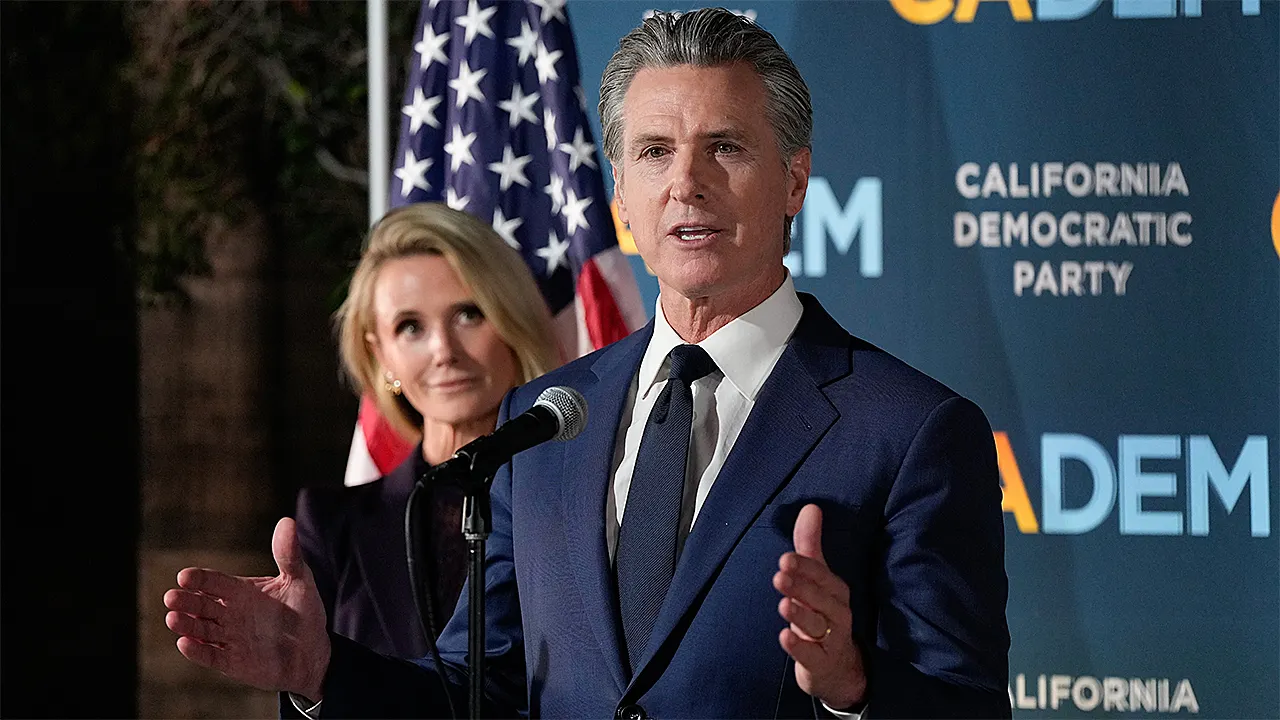
In response to the Court’s decision, the former president announced plans to raise global tariffs from 10% to 15% under an alternative statutory authority. This move signals that the broader debate over executive trade powers is far from settled.
Policy experts suggest that any new tariff measures will likely face intense scrutiny to determine whether they comply with constitutional requirements and statutory limits. The ruling has effectively set a precedent clarifying that emergency economic powers cannot be broadly interpreted to override Congress’s role.
The decision also carries implications for financial markets and global trade partners. Investors and multinational corporations are closely monitoring potential policy shifts, given the economic stakes involved.
Ultimately, the Supreme Court’s ruling marks a pivotal moment in the ongoing tension between executive authority and legislative oversight. As businesses move forward with refund claims and policymakers evaluate alternative trade strategies, the constitutional boundaries of tariff power will remain central to the national debate.