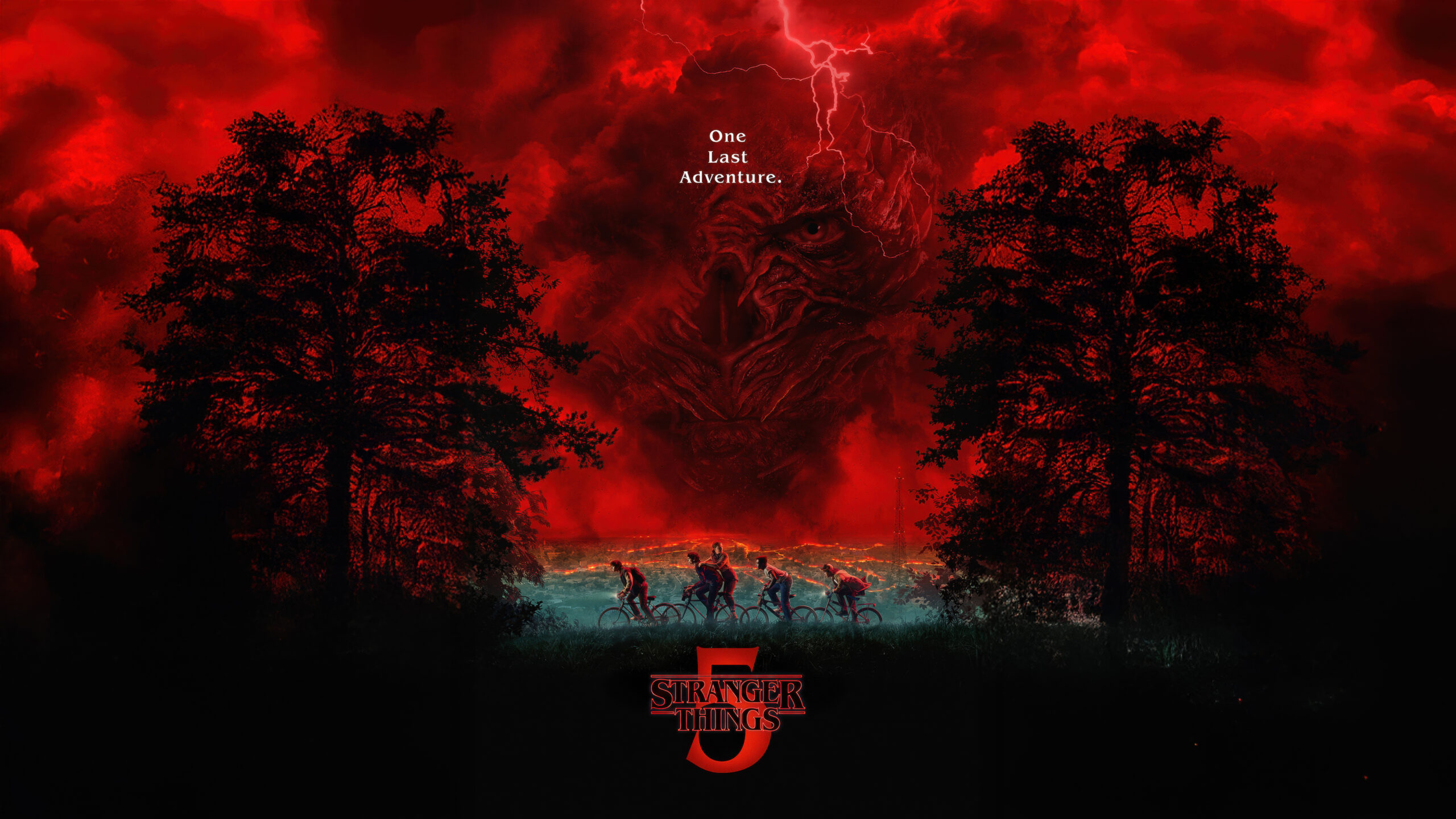
As the highly anticipated fifth season of Stranger Things arrives, Netflix launches its closing chapter with a blend of nostalgia, supernatural danger and character-driven tension that continues shaping the show’s place in today’s streaming landscape. Viewers stepping into this new stage of the saga find themselves once again confronting a fractured Hawkins, where military occupation, emotional pressure and the ongoing shadow of the Upside Down redefine the stakes for every returning character. Fans revisiting earlier seasons may instantly recognize the atmospheric callbacks, yet Season 5 intentionally stretches its narrative to integrate deeper emotional conflict, broader worldbuilding and haunting echoes of past battles.
Hawkins Under Siege: A Town Trapped Between Worlds
The season opens by revisiting the aftermath of Hawkins’ earlier catastrophes, now amplified by a strict government quarantine that forces residents to continue living inside an active supernatural zone. The military’s imposed containment introduces a new sense of suffocation, especially as tests intensify and the community becomes a living study of alternate-dimensional contamination. This confinement echoes themes explored in global crisis research, including how isolated populations respond to extended stress—similar to findings from institutions such as the Mayo Clinic (https://www.mayoclinic.org).
Eleven’s secluded training with Joyce Byers and Jim Hopper adds another layer of tension, as the authorities’ suspicions turn her into a fugitive within her own hometown. Here, the show explores the conflict between self-preservation and duty, presenting a more mature depiction of Eleven’s struggle with identity and responsibility. Meanwhile, Max’s continued coma leaves an emotional void that shapes the motivations of the larger group, strengthening narrative arcs that intertwine trauma, loyalty and unresolved grief.
Old Threats Return With New Layers
Although supernatural foes like Vecna and the Demogorgons reappear with familiar brutality, the new season elevates their threat by expanding their role inside Hawkins itself. Moments where the creatures infiltrate homes, schools and public spaces deepen the sense of vulnerability, drawing parallels to classic monster storytelling and adding cinematic tension reminiscent of discussions found on IMDb (https://www.imdb.com).
The Duffer Brothers amplify emotional friction inside the main group, pushing relationships toward more conflicted territory. Robin’s anxious relationship struggles, Steve’s lingering feelings for Nancy, and Will’s emotional hesitation all blend into the recurring theme of communication breakdown—a core element that has accompanied the show since its earliest episodes. Season 5 transforms these personal conflicts into a structural force, as arguments, misinterpretations and confessions shape the rhythm of the story as strongly as the supernatural elements themselves.
Nostalgia, Cinematic References and Expanding the Mythology
The season leans heavily into ‘80s nostalgia, not merely with visual cues but through strategic musical moments and Easter eggs that reward dedicated followers. Songs, pop-culture nods and cinematic parallels—ranging from sci-fi classics to psychological thrillers—are blended into high-stakes action sequences that demonstrate how deeply the show’s identity is rooted in its cultural influences. To give context to how these references evolve, some audiences may compare the show’s techniques to broader entertainment industry trends explained by platforms like Variety (https://variety.com).
Military miscalculations and questionable decisions remain a recurring source of disbelief, yet they also highlight the show’s thematic focus on institutional failure. This angle expands the lore around Hawkins’ containment, enriching the geopolitical backdrop behind the Upside Down invasion. Fans seeking broader information about psychological storytelling patterns might find similar structures discussed in resources like Psychology Today (https://www.psychologytoday.com).
By the end of the initial installment of episodes, the series underscores its intention: not to reinvent itself entirely, but to expand and reinterpret its core formula. The supernatural terror, emotional volatility and persistent mystery surrounding the Upside Down continue to guide the narrative as the final chapter unfolds, leaving viewers invested in the uncertain future that awaits the people of Hawkins.