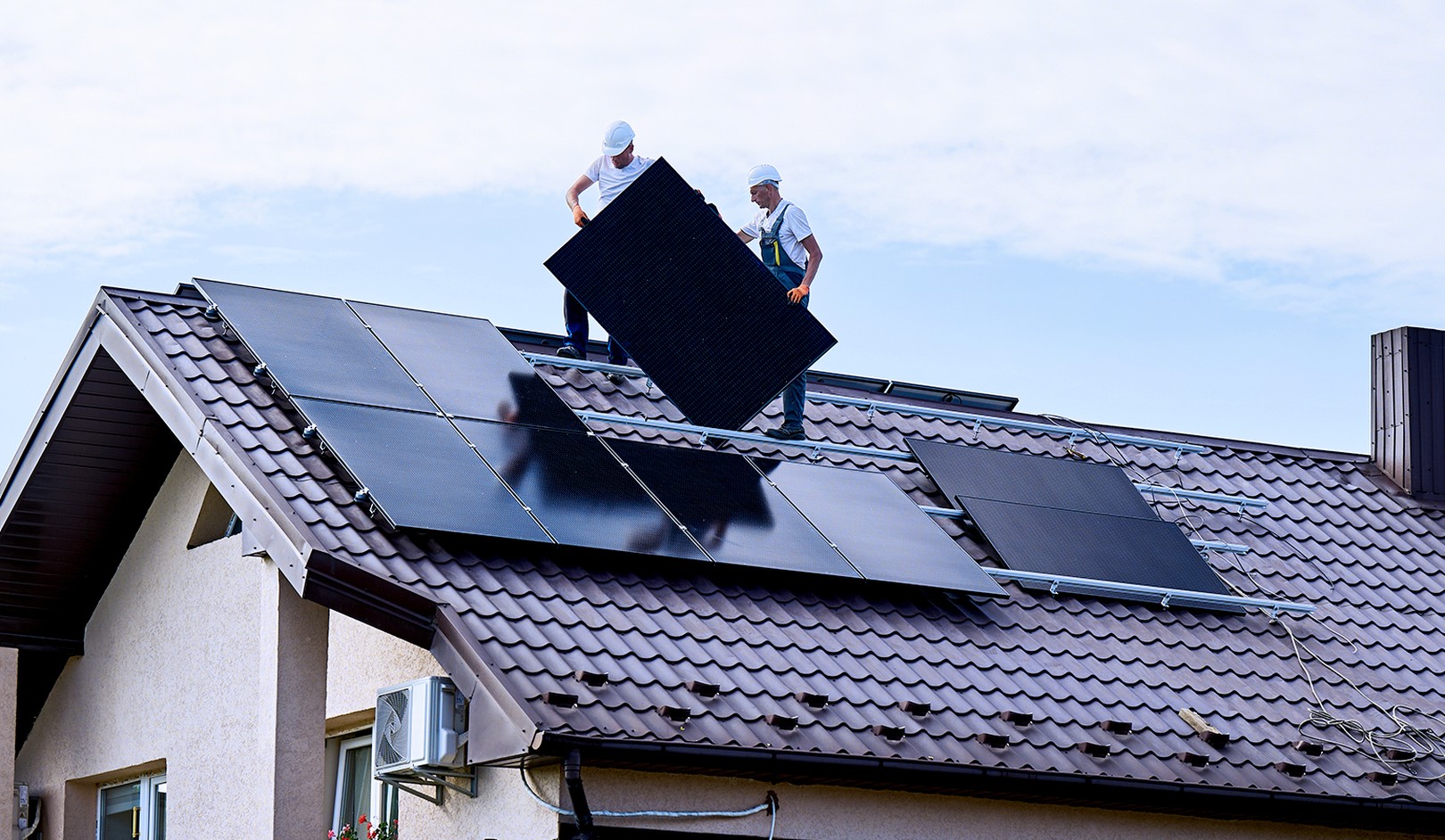
U.S. solar installers are rapidly shifting toward leasing and subscription-style solar programs as changes to federal tax incentives reshape the economics of rooftop solar. The removal of tax credits for purchased solar panels has created a new landscape where homeowners are increasingly offered leasing agreements rather than ownership models. The shift is transforming how residential solar is sold, financed, and understood across the country.
Many installers that once promoted ownership are now adopting leasing to remain competitive and keep projects affordable. The new dynamics are reshaping long-term savings, customer control over energy generation, and the structure of the solar industry itself.
Why solar companies are pivoting to leasing
For years, federal solar incentives made buying panels financially attractive by reducing upfront costs by roughly 30%. With those incentives gone for purchases, installers are exploring alternatives that still allow homeowners to reduce electricity costs without large initial investments.
Under leasing or power purchase agreements (PPAs), a third-party company owns the solar panels while homeowners pay a monthly fee or buy the electricity generated. This model allows customers to access solar with little or no upfront payment, which has become a key selling point amid rising interest rates and household expenses.
Industry data suggests millions of U.S. homes are technically suitable for rooftop solar, yet adoption remains limited. The affordability factor remains critical. Leasing lowers entry barriers, enabling installers to keep sales pipelines active even as ownership becomes less financially attractive.
Homeowners can still explore solar options and financing models through resources like https://www.energy.gov/eere/solar/homeowners-guide-going-solar and federal policy updates at https://www.energy.gov. These tools help explain how incentives and financing structures affect long-term savings.
How leasing changes savings and ownership
While leasing makes solar accessible, it fundamentally changes the ownership equation. Homeowners who lease panels do not own the system or the electricity infrastructure, meaning they miss out on potential long-term financial gains tied to ownership.
Instead, third-party companies collect remaining tax incentives and benefits. That trade-off can still result in lower monthly energy bills, especially in regions with high electricity prices. However, the long-term savings often differ compared to owning a system outright.
Lease agreements also include price escalators, which gradually increase monthly costs over time. Newer contracts tend to include lower escalation rates, making them more competitive than earlier leasing models. Homeowners should compare contract terms carefully and review consumer guidance from organizations such as https://www.consumerreports.org/home-garden/solar-panels/how-to-go-solar-at-home-a3351465009/.
Some installers argue that ownership aligns more closely with the original promise of rooftop solar — energy independence and long-term cost control. Others believe leasing is a pragmatic solution that keeps solar accessible during a period of policy uncertainty.
Industry debate over long-term risks
Despite the surge in leasing adoption, not all solar companies support the trend. Critics argue that leasing introduces financial complexity and long-term risks that many homeowners do not fully understand when signing contracts.
One common concern involves real estate transactions. Leasing agreements can complicate home sales because contracts must be transferred to buyers, renegotiated, or bought out. This can create friction in housing markets where solar adoption is rising.
There are also concerns about transparency. Some industry leaders warn that subscription-style solar products may resemble complex financial instruments rather than simple energy upgrades. That complexity could affect customer satisfaction years after installation.
Still, the broader energy transition continues to drive demand for renewable power. Federal policy updates and regulatory changes can be tracked through https://www.epa.gov and solar market analysis through https://www.seia.org, both of which provide ongoing insights into the evolving solar economy.
As tax incentives continue to shift, leasing is likely to remain a dominant model in residential solar. Whether it becomes a long-term industry standard or a transitional strategy will depend on future legislation, electricity prices, and consumer awareness. What is clear is that the economics of rooftop solar are changing rapidly, forcing both homeowners and installers to rethink how clean energy is financed and delivered.