Senior homelessness accelerates as the population ages
Senior homelessness in the United States is expanding at a pace that many local systems were never designed to handle. Adults over 62 are now the fastest-growing segment of the unhoused population. This is driven by rising housing costs, medical debt, and fixed incomes that fail to keep up with inflation. Awareness of senior homelessness in the United States is becoming critical. Data tracked by the U.S. Department of Housing and Urban Development shows that older adults are increasingly entering homelessness for the first time. This often happens after a medical event, eviction, or loss of a spouse.
Unlike younger populations, older adults face mobility limitations, chronic illnesses, and medication dependencies. These make traditional shelter environments physically dangerous. Shared sleeping spaces, bunk beds, and communal bathrooms often force seniors to choose between dignity and safety. Many shelters, operating under staffing and liability constraints, are not equipped to manage residents who require oxygen, memory care, or assistance with daily activities. This leaves older adults exposed to health crises that can escalate rapidly.
Economic pressure compounds the issue of senior homelessness in the United States. Fixed retirement incomes, including benefits tied to Social Security, have not kept pace with rental inflation. This affects both metropolitan and suburban areas alike. A single health emergency can exhaust savings and push seniors into homelessness within weeks. This is particularly true for those without family support or long-term care insurance.
Medical-focused shelters redefine care and stability
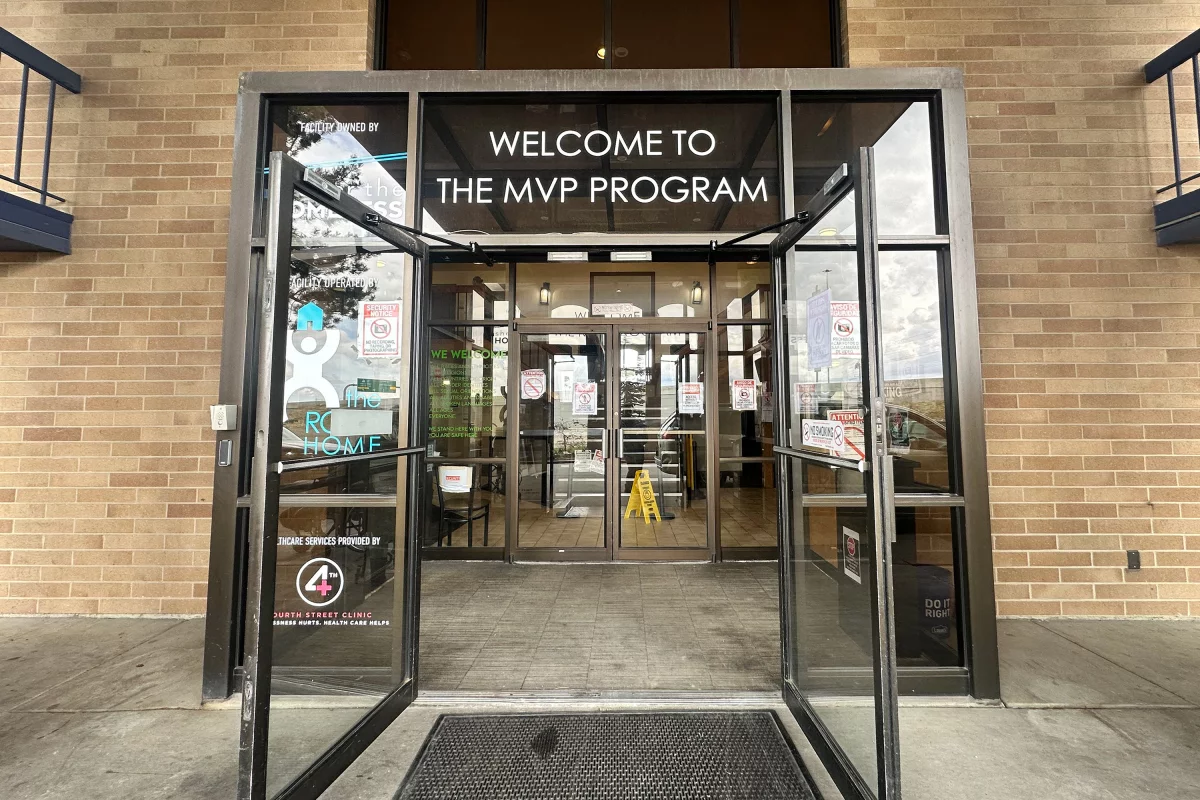
In response, a small but growing number of shelters are rethinking how homelessness services are delivered to aging populations. These models emphasize privacy, accessibility, and on-site medical care, creating environments that resemble assisted living more than emergency shelters. Semi-private rooms, wheelchair-accessible layouts, and individual bathrooms address mobility and continence issues while restoring personal dignity.
Integrated healthcare is central to these models. Partnerships with community clinics and health providers allow residents to stabilize conditions such as diabetes, cancer, respiratory disease, and cognitive decline. According to guidance aligned with Centers for Medicare & Medicaid Services standards, consistent access to medication and preventive care significantly reduces emergency hospitalizations, lowering both public healthcare costs and personal health risks.
Medication management alone can be transformative. Seniors experiencing homelessness often lose prescriptions or are unable to refrigerate insulin. They also struggle to store controlled medications safely. Stabilizing these routines allows residents to focus on documentation, disability claims, and housing applications instead of daily survival. Addressing senior homelessness in the United States effectively means ensuring health is no longer in constant crisis. This makes pathways toward permanent housing achievable rather than theoretical.
From emergency shelter to long-term recovery
The long-term impact of senior-focused shelters extends beyond immediate safety. These environments create the conditions necessary for recovery, sobriety, and reintegration. Many older residents enter shelters after decades of work, injury, or caregiving, only to find themselves excluded from the labor market due to physical limitations. Senior homelessness in the United States highlights the need for coordinated case management. This helps residents navigate disability benefits, veterans’ programs, and rental assistance tied to federal frameworks supported by the U.S. Department of Health and Human Services.
Cold-weather states face especially severe risks. Exposure-related deaths among older adults highlight the lethal consequences of denying shelter access. Reasons for denial include incontinence, dementia, or medical equipment. Public health analyses published through Centers for Disease Control and Prevention consistently show that homelessness accelerates aging. This increases mortality rates well above national averages for the same age groups.
Despite promising outcomes, capacity remains far below demand. Waiting lists for senior-adapted shelters often exceed available beds by hundreds. This forces service providers to triage based on medical severity rather than duration of homelessness. This underscores a structural reality: senior homelessness in the United States is no longer a marginal issue. Instead, it is a systemic challenge tied directly to healthcare, housing policy, and demographic change.
As the U.S. population continues to age, shelters designed for younger, able-bodied individuals will become increasingly misaligned with reality. The success of medical-integrated shelters signals not just a humanitarian response, but a necessary evolution. This is how homelessness is addressed for an aging nation.