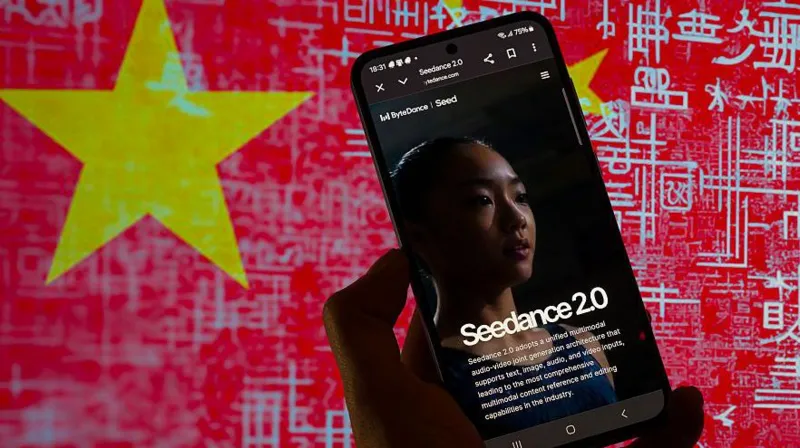
A new artificial intelligence model developed by ByteDance, the parent company of TikTok, is sending tremors through Hollywood. The tool, known as Seedance 2.0, can generate cinematic-quality video complete with dialogue, sound design and dynamic camera movement from only brief written prompts. Its rapid rise has intensified debate across the entertainment industry about intellectual property, labor disruption and the global AI race.
Clips circulating online show hyper-realistic action sequences and recognizable superhero-style characters that appear almost indistinguishable from major studio productions. While viral attention has fueled public fascination, it has also prompted legal scrutiny and heightened anxiety among filmmakers, unions and executives who see the technology as both transformative and destabilizing.
A Leap Forward in AI Video Creation
Seedance was initially introduced with modest publicity, but its second iteration has dramatically expanded its capabilities. Unlike earlier systems that stitched together visuals and added audio separately, Seedance integrates text, imagery and sound within a unified model. Industry observers note that the tool’s ability to render fluid action scenes and synchronized dialogue narrows the gap between generative AI and traditional production pipelines.
Competing platforms such as OpenAI’s Sora have demonstrated impressive video generation, yet Seedance’s seamless blending of cinematic elements has drawn particular attention. In some demonstrations, a single prompt has produced multi-shot sequences that resemble professionally directed scenes.
For independent creators and small studios, the appeal is immediate. Producing a short-form drama series can cost around $140,000 for dozens of micro-episodes. AI-generated enhancements could elevate these modest productions into genres like science fiction or action without multiplying budgets. That possibility is reshaping calculations about staffing, visual effects and post-production workflows.
At the same time, larger studios are wary. The realism of AI-generated performances raises concerns about digital replicas of actors and the erosion of established creative roles. If high-quality sequences can be generated in minutes, the economics of filmmaking could change dramatically.
Copyright Tensions and Industry Pushback
Legal friction has quickly followed technological progress. Major rights holders argue that Seedance-generated videos featuring recognizable characters may infringe upon protected intellectual property. The broader dispute mirrors earlier legal battles in which companies such as Disney challenged AI developers over the unauthorized use of copyrighted content.
The controversy reflects a deeper structural issue within generative AI: models are trained on massive datasets that may include protected works. Without transparent licensing frameworks, creators fear their material is being repurposed without compensation. Calls for clearer attribution systems and enforceable safeguards are growing louder.
International scrutiny is also intensifying. Regulators are evaluating whether AI outputs that closely resemble established franchises violate copyright law or create unfair market advantages. The debate extends beyond legal liability to ethical considerations about creative ownership and fair remuneration.
Meanwhile, ByteDance maintains that it is strengthening safeguards. But as generative tools become more powerful, industry leaders argue that compliance mechanisms must evolve just as quickly to maintain public trust.
China’s Expanding AI Ambitions
Seedance’s emergence underscores China’s accelerating push into advanced AI. The country has invested heavily in semiconductors, robotics and generative systems as part of a broader economic strategy. Earlier breakthroughs from firms like DeepSeek signaled that Chinese developers are capable of competing at the highest levels of AI research.
The release of Seedance 2.0 highlights how quickly that competition is intensifying. Analysts note that consumer-facing AI products in China are often launched during major holidays, when millions of users are experimenting with new apps. Such timing can rapidly drive adoption and normalize AI-generated media.
For Hollywood, the challenge is twofold: adapting to disruptive creative tools while navigating geopolitical competition in technology. As generative AI systems grow more sophisticated, the boundaries between innovation, imitation and infringement are becoming increasingly blurred.