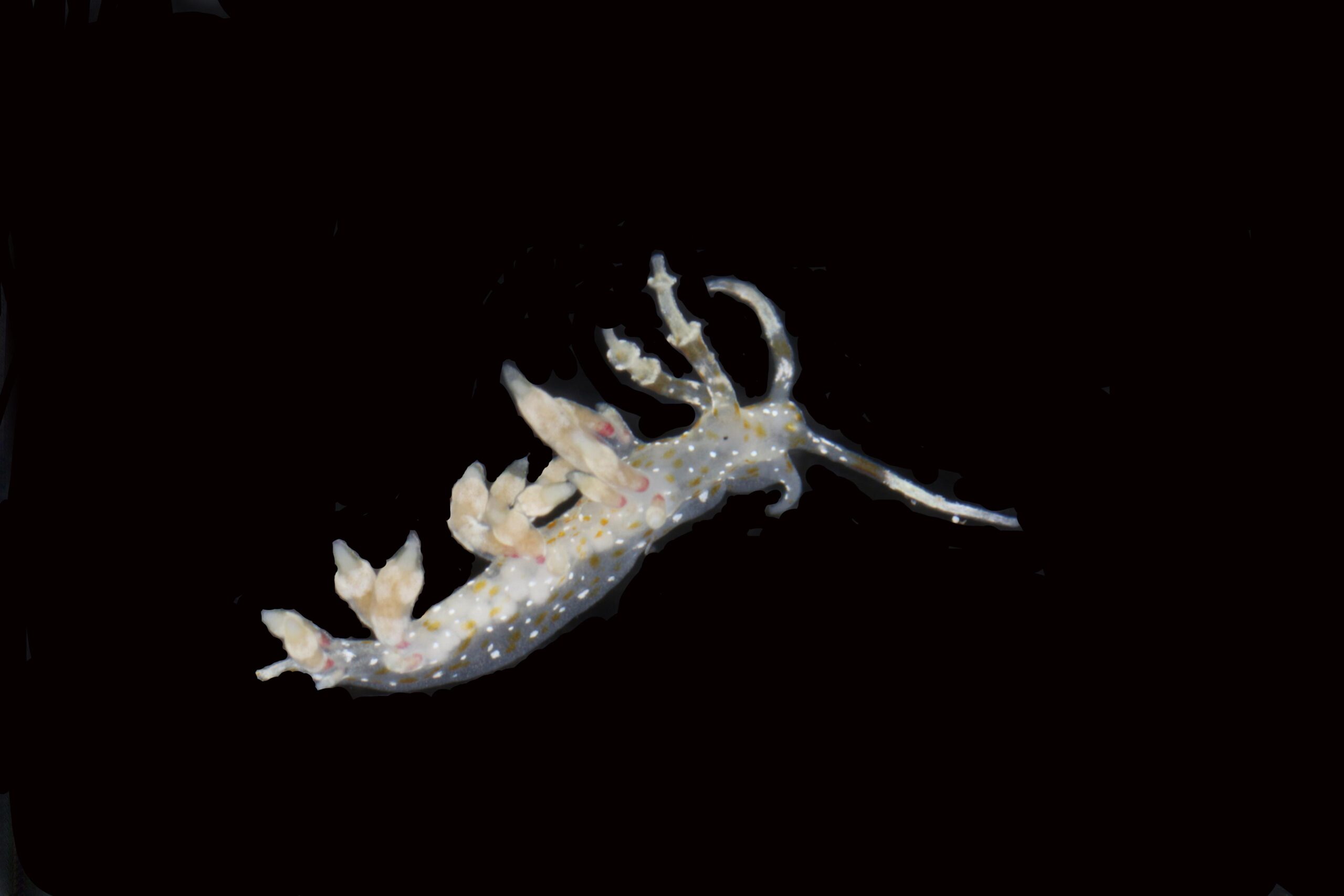
Scientists conducting deep-sea research in the Pacific Ocean have identified more than 20 potential new species living in a little-explored region known as the ocean’s twilight zone. The discoveries were made during a long-term scientific effort focused on deep coral reefs near Guam, an area that remains largely undocumented due to its depth, limited sunlight, and challenging diving conditions.
The research was led by a team of marine biologists who recovered autonomous reef monitoring structures, or ARMS, that had been collecting biological data since 2018. These devices were positioned at depths reaching approximately 330 feet below the ocean surface, where light penetration is minimal and biodiversity patterns differ significantly from shallow reefs. According to scientists involved in the project, the findings reinforce the idea that deep coral ecosystems may host far more undiscovered life than previously estimated.
Advanced Technology Reveals Hidden Marine Biodiversity
The ARMS devices function as artificial reef habitats designed to attract small marine organisms over time. When retrieved, the structures contain a dense collection of specimens that allow scientists to study species diversity without disturbing fragile reef systems. During a two-week recovery period, researchers cataloged more than 2,000 specimens, including at least 100 species never before documented in this region of the Pacific.
Researchers emphasized that genetic sequencing plays a crucial role in confirming whether a species is truly new to science. By analyzing DNA, scientists can identify subtle differences that are not always visible through physical observation alone. This approach is increasingly important in modern marine biology and aligns with broader efforts supported by institutions such as the California Academy of Sciences, which has long promoted genetic research to better understand ocean life.
The discovery process has already revealed unexpected adaptations among deep-sea organisms, underscoring how life evolves under extreme environmental pressures such as low light and high water pressure.
Life in the Ocean’s Twilight Zone
The newly studied reefs are located within the mesopelagic zone, often referred to as the twilight zone, which extends from roughly 200 to 1,000 feet below the surface. This layer of the ocean receives faint sunlight but remains inaccessible to conventional scuba diving, requiring specialized equipment and training.
Scientists focused on the upper portion of this zone, between 180 and 330 feet, where deep coral reefs provide shelter for a wide range of organisms. According to marine research programs supported by organizations such as NOAA, these ecosystems play a critical role in ocean health by supporting food webs and acting as biodiversity reservoirs.
Despite their importance, deep coral reefs remain poorly understood compared to shallow reefs, making each new discovery especially valuable for marine conservation strategies.
Unusual Species and Unexpected Adaptations
Among the most surprising findings was a hermit crab observed using a clamshell rather than the more typical abandoned snail shell. This behavior suggests unique physical adaptations that allow the species to survive in its deep-water environment. Scientists believe similar unexpected traits may emerge as further genetic analysis is completed.
Potential new species identified during the research include various types of crabs, sponges, sea squirts, and gorgonians, a form of soft coral commonly found in deep reefs. These discoveries contribute to a growing body of knowledge about deep-sea biodiversity and support global initiatives to map ocean life, such as those promoted by the Smithsonian Ocean program.
Researchers have already begun a multi-year expedition to retrieve dozens of additional monitoring devices placed throughout the Pacific, including sites near Palau and French Polynesia. As data continues to be analyzed, scientists expect the number of newly identified species to grow, reinforcing the need for sustained investment in deep-sea exploration and marine research.