Rising food insecurity in the United States is becoming a significant issue. Across the United States, food banks are facing a surge in demand that surpasses recent historical records. Families struggle to manage rising living costs in an economy where essentials continue to grow more expensive. In the Midwest, some pantries that once expected seasonal crowds are now serving thousands of families weeks before the holidays. They are distributing Thanksgiving items at a pace far faster than anticipated. This heightened demand reflects the combined weight of high grocery prices, reduced government benefits, and financial strain felt by households across the country. Many people searching for help often turn to national resources such as the Feeding America directory. Meanwhile, federal updates on assistance programs through USA.gov help families understand how benefit changes affect their eligibility. Research highlighted by Pew Research Center continues to show widening economic disparities. Additionally, financial education platforms like Investopedia offer Americans practical guidance as they navigate tightening household budgets.
Escalating Costs and a Growing Divide
Even though inflation has slowed compared to the peaks of the past few years, its cumulative effect continues to pressure families. Their incomes have not kept pace. From January to September, grocery prices rose 1.4%, while overall consumer prices increased 1.7%. These “modest” increases follow several years of steep inflation. This includes the post-pandemic period when annual inflation soared to 9.1%. Families already living paycheck to paycheck now face an economic environment where every dollar must stretch further. The rising cost of essentials such as food, rent, and transportation has compounded financial stress.
Wage growth has also been uneven, disproportionately benefitting higher-income brackets. The growing divide is evident in the increasing number of Americans applying for SNAP benefits. More families lean on supplemental food programs. Community food systems—already stretched thin—are struggling to keep up. This widening gap underscores the difficulties faced by millions of workers whose take-home pay no longer matches the reality of today’s living expenses.
Food Banks Struggle to Keep Pace with Demand
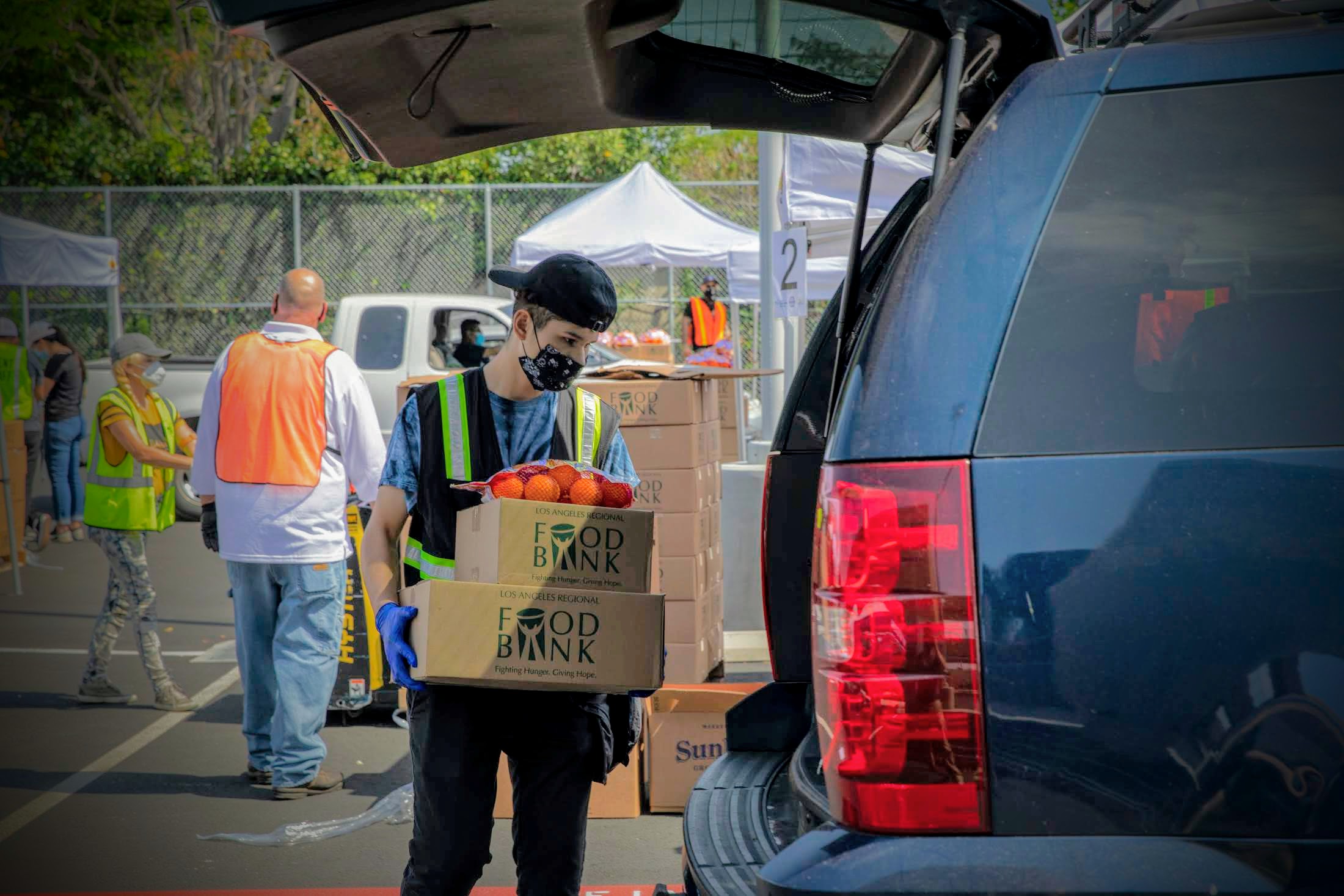
Across the nation, food bank administrators report that their distribution volumes have surged far beyond sustainable levels. In some regions, demand has risen by double digits leading up to the holiday season. This strains operations that rely heavily on community donations and fluctuating funding cycles. Some pantries have already distributed thousands of Thanksgiving staples, emptying shelves earlier than expected. They are rushing to restock as more families arrive seeking support.
Despite these pressures, food banks are expanding their operations to meet the rising demand. New distribution sites are being opened, mobile delivery programs are increasing, and pop-up events are appearing in communities where access to groceries is limited. Volunteer support has become a critical component of these efforts. Many individuals dedicate time to pack and deliver food during one of the busiest seasons on record. Their commitment highlights the power of local communities stepping up when economic hardship affects their neighbors directly.
Families Navigate a Challenging Economic Landscape
The temporary pause in full SNAP benefits during the recent government shutdown pushed many households into immediate crisis. This left millions without essential financial support for nearly six weeks. During this period, Google searches for “food banks near me” reached their highest-ever recorded levels. Families urgently sought alternatives to replace the missing funds. For many, the suspension of benefits coincided with rising grocery costs and increased housing expenses. This created a situation where even small disruptions had severe consequences.
Emergency donations have prevented some food organizations from cutting services, but the fundamental issues fueling food insecurity remain deeply rooted. High living costs, inconsistent wage growth for lower-income workers, and uncertainty surrounding federal support systems contribute to long-term instability for millions of households. Notably, a growing number of families turning to food banks today are first-time visitors. This reflects the broadening impact of economic volatility across demographics previously less affected.
As food banks prepare for another challenging year, community leaders stress the need for comprehensive solutions that address systemic economic pressures. The increasing reliance on local food assistance programs underscores a fragile safety net strained by rising demand. This highlights the urgent need for policies that help families gain financial stability and consistent access to essential goods.