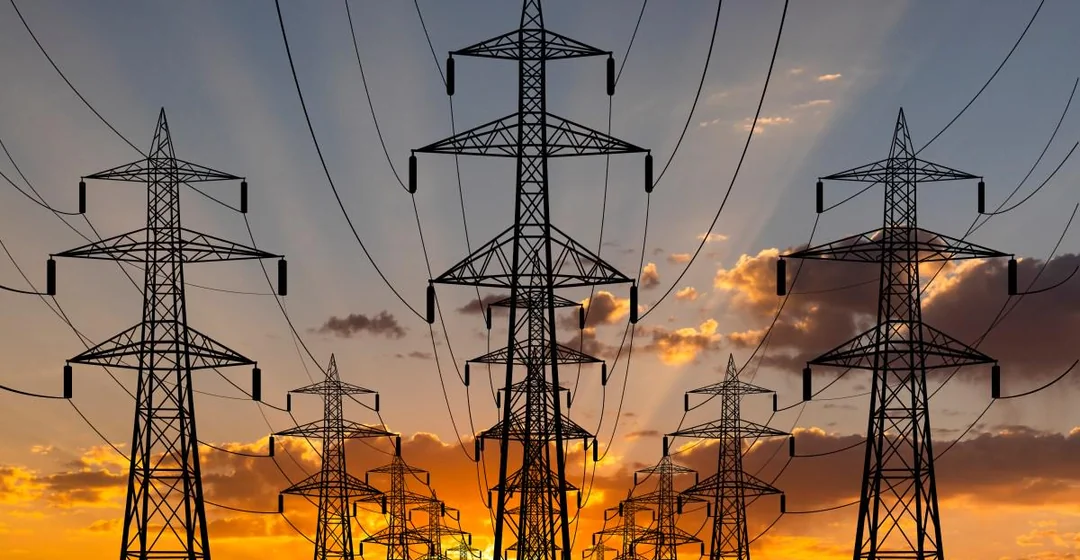
Electricity bills across the United States are projected to increase an average of 8 percent by 2030 as utilities adapt to the accelerating demand created by large-scale data centers and cryptocurrency mining operations. These facilities, which support cloud platforms, artificial intelligence systems and decentralized digital transactions, require massive amounts of power to operate continuously. The rapid expansion of this infrastructure is prompting utilities to build new substations, reinforce transmission lines and add grid capacity, and those long-term investments are being reflected directly in customer bills. While residential consumers shoulder much of the financial burden, the companies developing these facilities often pay little upfront for the significant upgrades required to support their operations.
Communities experiencing fast-paced growth in digital infrastructure, especially in states where the tech industry is expanding aggressively, are beginning to see sharper increases. In regions with dense data-center corridors, the strain on legacy grid systems has pushed utilities to accelerate construction timelines, acquiring land and integrating new high-voltage connections that reshape local power planning. Customers searching for tools to calculate their electricity consumption often turn to resources such as the U.S. Energy Information Administration (https://www.eia.gov) to better understand how these regional pressures develop. The national forecast highlights that areas like Virginia, where large cloud providers continue to expand, could see electricity bills grow by as much as 25 percent in the coming years.
Why Utilities Charge Customers for Data Center Expansion
Utilities argue that the cost of building new electrical infrastructure must be shared across the customer base because upgrades improve reliability and provide long-term system benefits. However, the financial model has sparked debate, as many residents feel they are subsidizing companies that operate high-consumption facilities while contributing little to local grid modernization. The construction of data centers requires specialized components, including high-capacity transformers and advanced cooling systems, and those additions often exceed what local grids were designed to support. Since utilities are required to maintain reliable service for all users, the infrastructure expansion becomes a necessity that is ultimately recouped through customer rates.
As municipalities negotiate with technology companies to attract investment and jobs, many rely on information from organizations like the U.S. Department of Energy (https://www.energy.gov) to assess long-term grid impacts. Some communities have introduced zoning limitations or energy-efficiency conditions before approving new construction. Others are exploring alternative energy solutions, including on-site solar fields or battery storage systems, to reduce the strain on public infrastructure. Still, the dominant model continues to place most upfront costs on residential and small business consumers, even when large digital operators are the primary drivers of new grid demand.
Local Impacts and the Push for Smarter Energy Planning
The increase in electricity bills is not only an economic issue but also a planning challenge for rapidly growing regions. Local governments assessing population growth, industrial development and environmental goals rely on services such as the National Renewable Energy Laboratory (https://www.nrel.gov) to evaluate how expanding data infrastructure affects long-term sustainability. Data centers require vast quantities of water for cooling in addition to electricity, pushing some communities to consider broader environmental impacts. In areas where water is scarce or grid capacity is limited, utilities face pressure to balance economic development with the needs of residents who depend on affordable and reliable energy.
Tech companies have begun promoting renewable-energy procurement as a solution, yet not all renewable projects are built near the facilities that consume the electricity. Residents comparing energy plans and efficiency strategies often consult platforms like Energy Star (https://www.energystar.gov) to find ways to reduce their household consumption as utility costs rise. As the digital economy continues to expand, many experts believe that coordinated planning among local governments, utilities and technology companies will be essential to prevent even sharper increases in consumer electricity bills. The current trends suggest that without more balanced cost-sharing structures, residential customers will continue to bear the majority of the financial impact created by the growing demand for high-density digital infrastructure.