How Psychedelics Are Shaping Personal Identity in Unexpected Ways
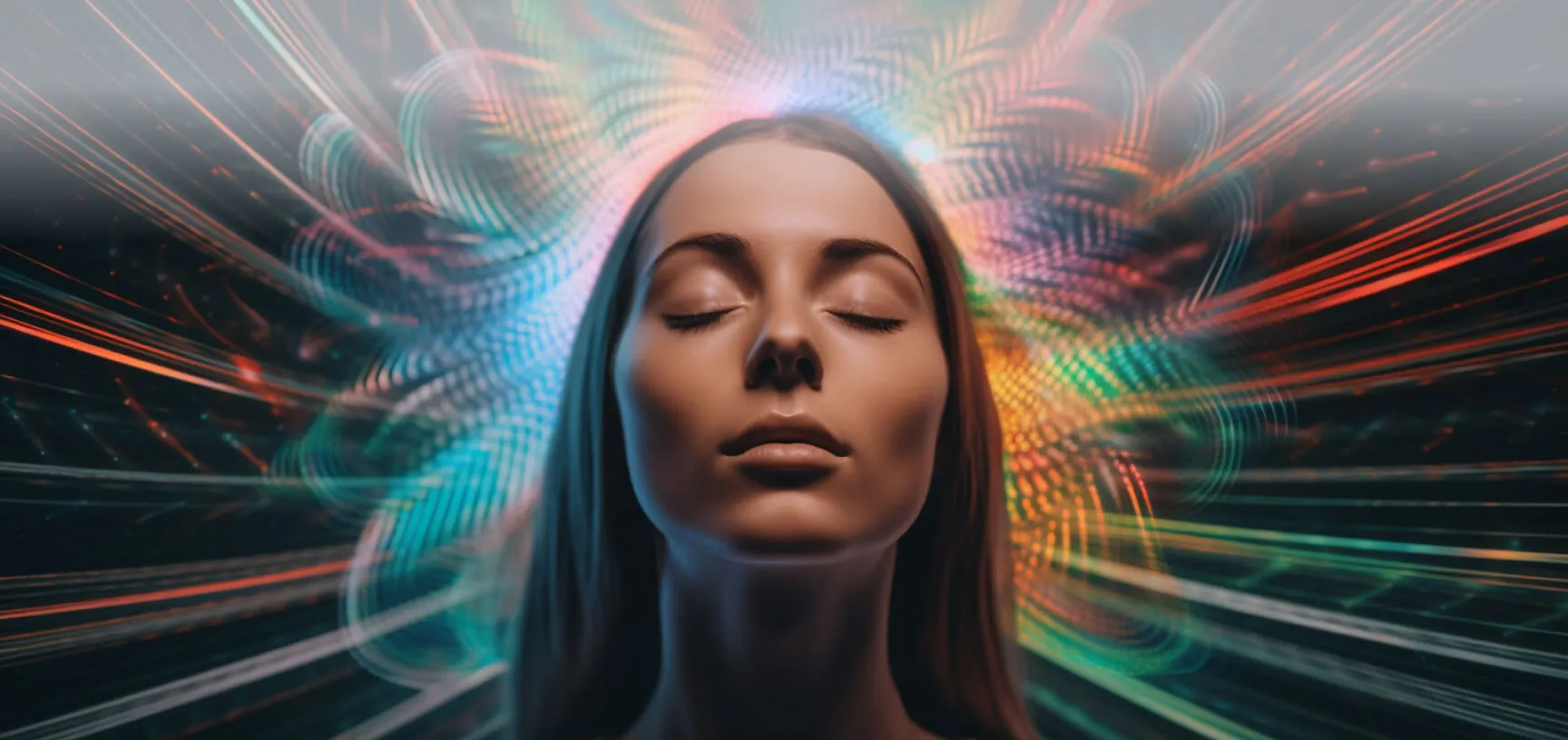
The growing global interest in psychedelic-assisted therapy has revealed a fascinating pattern. Many individuals report profound shifts in how they understand their identity, sexuality, and gender expression after guided psychedelic experiences. These changes rarely arise as sudden personality rewrites. Instead, they emerge as expansions of self-awareness, allowing people to examine internal narratives shaped by culture, upbringing, and social expectations. Studies from institutions such as Johns Hopkins University and ongoing research published through platforms like ScienceDaily continue to highlight how psychedelic substances increase openness, emotional flexibility, and introspection well beyond the duration of the experience itself.
Therapists working in this field often point out that psychedelics provide something people rarely access in day-to-day life. They offer the psychological space to question deeply rooted assumptions about who they are. This spaciousness can take many forms. Some describe encountering a version of themselves freed from the pressures of gender roles. Others discover long-buried emotional patterns that shaped their attraction or relationships. While these shifts can be surprising, they also show how identity is often influenced by unexamined internal messaging rather than innate immovable traits.
As the conversation about psychedelics expands across public platforms, even major institutions such as The New York Times Health section acknowledge the growing curiosity. There is interest in how these substances help people break old emotional patterns. They also confront parts of themselves that previously felt unreachable. These conversations are not limited to clinical settings. They reflect a broader cultural shift that recognizes identity as layered, complex, and deeply personal.
New Research Highlights How Psychedelics Influence Gender and Sexuality
Recent studies in 2025 have revealed compelling data about how psychedelics affect introspection related to sexuality and gender. A large survey of psychedelic users showed that around one-quarter of women, one-eighth of men, and one-third of individuals with other gender identities noticed an increased attraction to genders they previously did not consider. Researchers interpret these findings not as psychedelics changing someone’s inherent orientation. Instead, they view it as temporarily lowering psychological barriers that blocked certain thoughts or feelings from surfacing.
Psychologists explain that psychedelics often reduce cognitive rigidity and increase openness. This makes people more receptive to new experiences, including identity-related ones. This psychological flexibility can provide a platform for individuals to revisit earlier assumptions about themselves. It can also allow them to confront internalized beliefs reinforced by societal expectations or cultural pressures.
Licensed clinicians note that these explorations can take many forms. Some individuals report moments during psychedelic sessions where gender feels irrelevant or fluid. Others describe experiences where entrenched labels no longer make sense. These are replaced instead by a sense of consciousness that transcends gender categories. These effects do not mean that psychedelics “cause” gender changes. Rather, they illuminate aspects of identity that were always present but never fully acknowledged.
Growing online educational platforms like Verywell Mind have contributed to helping the public understand these nuances. They emphasize that self-discovery using psychedelics requires careful integration and professional guidance when possible. They also note the importance of recognizing that identity exploration unfolds over time, not in a single session.
Support Systems Are Crucial as Identity Evolves Through Psychedelic Work
As more people turn to psychedelic-assisted therapy, clinicians stress the importance of adequate emotional and professional support throughout the process. Identity-related insights can be liberating, but they can also bring confusion or fear. This is especially true when social environments are not supportive. Couples counselors trained in MDMA-assisted therapy note that relationship dynamics can shift significantly. This occurs when one partner experiences a new understanding of their sexuality or gender expression. These revelations can affect both people in the relationship, requiring time, compassion, and communication to navigate thoughtfully.
Professionals trained in LGBTQ+ affirmative therapy also highlight that many individuals dealing with identity-related trauma find relief and clarity. They benefit from using psychedelic-assisted methods within safe therapeutic environments. Programs specifically designed for gender-expansive and transgender clients have already shown promising results. They help in reducing shame, easing anxiety, and helping participants reconnect with their sense of worth and authenticity.
Community support plays an equally pivotal role. Friends, partners, and family members who respond with empathy can make the difference between an overwhelming identity shift and a transformative one. On the other hand, environments marked by stigma can intensify feelings of isolation, making it essential for individuals to seek supportive communities or resources. Informational platforms like Psychology Today continue to publish guidance that underscores the importance of safe integration practices. They emphasize that psychedelic journeys—especially those that illuminate deeply personal identity themes—require respectful processing long after the session ends.
Across these expanding conversations, one theme remains constant. Psychedelics do not create new identities; they reveal what was already within, waiting to be understood. For many, that understanding brings a renewed sense of peace, authenticity, and emotional freedom.