Pro-Trump social media influencers are amplifying claims of political and policy victories following the rapid fallout from viral allegations of fraud tied to Minnesota day care centers. The controversy, driven largely by online video content, has quickly moved from digital platforms into the realm of federal policy, with significant financial and political consequences unfolding in less than two weeks.
At the center of the episode is a widely circulated video alleging misuse of public funds by child care providers in Minnesota. While the specific claims remain unproven, the response from federal authorities has been swift. The Trump administration has announced the suspension of multiple funding streams, including approximately $10 billion allocated to child care assistance and cash welfare programs across five Democratic-led states. In parallel, federal authorities deployed roughly 2,000 agents to Minnesota as part of an expanded immigration enforcement operation, signaling a broader policy shift tied to the allegations.
Digital Influence and Policy Momentum
The rapid escalation highlights how online political content is increasingly shaping government action. Influencers aligned with former President Donald Trump have framed the developments as validation of long-standing claims about fraud in social service programs. On social media, high-profile accounts characterized the funding freeze and enforcement measures as direct outcomes of citizen-led investigations, reinforcing narratives that online exposure can force institutional change.
This dynamic reflects a broader strategy of leveraging viral content to advance policy goals. Federal agencies responsible for immigration enforcement and domestic security, including those under the Department of Homeland Security, have expanded operational activity in response to perceived risks tied to public spending oversight. Information about enforcement priorities and funding authority can be found through official government platforms such as https://www.dhs.gov, which outline the scope of federal jurisdiction in immigration and program integrity.
Political Fallout in Minnesota
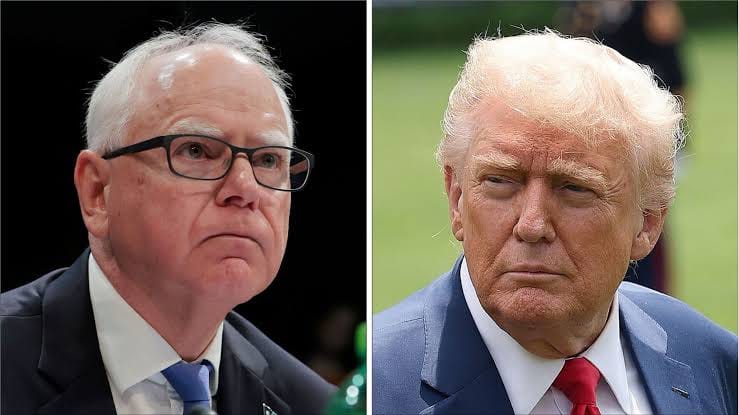
The political impact within Minnesota has been immediate. Governor Tim Walz announced he would not pursue a third term, citing the need to focus on governing amid mounting challenges. While no formal findings have linked the allegations directly to his administration, the timing of his decision has fueled speculation among political commentators and activists online.
Minnesota has long managed complex social service systems due to its diverse population and expansive public assistance programs. Demographic and economic data published by https://www.census.gov show the state administers billions of dollars annually in combined federal and state aid, making it a frequent focal point in national debates over oversight and accountability. Influencers have seized on this context to promote additional claims involving other providers both within Minnesota and in states such as California, Illinois, and New York.
Funding Freezes, Enforcement, and Broader Implications
The administration’s decision to halt $10 billion in funding marks one of the largest coordinated pauses of social program financing in recent years. Officials argue the move is intended to protect taxpayer dollars while investigations proceed, though details about timelines and evidentiary thresholds have not been fully disclosed. Broader guidance on federal spending authority and executive oversight is outlined through https://www.whitehouse.gov, where policy priorities and administrative actions are formally published.
Beyond immediate budgetary impacts, the episode underscores how attention-driven politics is reshaping governance. Employment data from https://www.bls.gov indicates that child care and social assistance sectors employ millions nationwide, meaning prolonged funding disruptions could have significant labor and economic effects. At the same time, heightened enforcement actions are likely to influence community relations and migration patterns, particularly in regions with large immigrant populations.
As allegations continue to circulate online, the gap between verified findings and viral narratives remains a central challenge. Yet the Minnesota case demonstrates how digital influence, federal authority, and political outcomes are increasingly intertwined, with online momentum translating into real-world consequences measured in billions of dollars and far-reaching policy decisions.