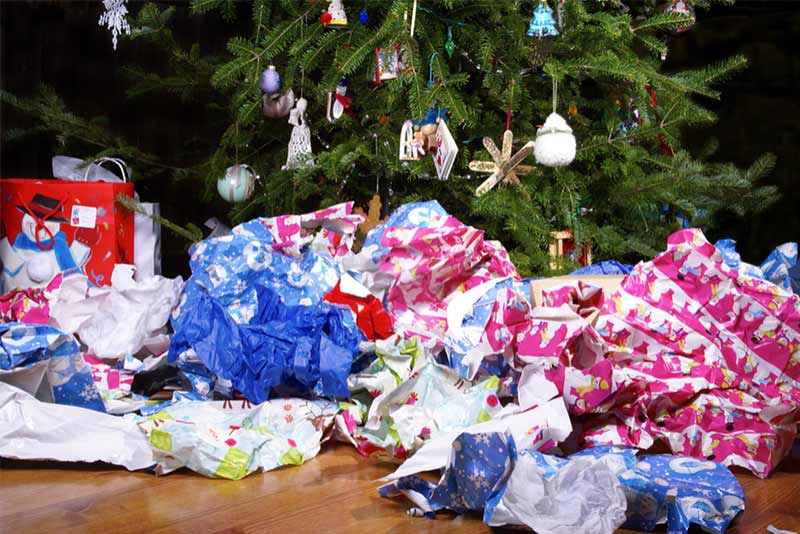
Household waste levels across the United States increase significantly in the weeks between Thanksgiving and New Year’s, placing added pressure on local waste management systems and recycling infrastructure. Seasonal shopping, gift exchanges, and large holiday meals contribute to a surge in discarded materials, much of which is avoidable or improperly sorted. Environmental agencies estimate that household trash volume rises by approximately 25% during this period, driven largely by packaging materials, food waste, and seasonal decorations.
As residents begin post-holiday cleanups, waste experts emphasize the importance of understanding local recycling rules, which vary widely by municipality. Misplaced items can contaminate recycling streams, damage sorting equipment, and reduce the overall effectiveness of waste diversion efforts. Guidance provided by organizations such as the U.S. Environmental Protection Agency at https://www.epa.gov highlights how proper sorting can significantly reduce landfill use and environmental impact.
Gift packaging creates major recycling challenges
Cardboard boxes and packaging materials represent one of the largest contributors to holiday waste. Increased online shopping and deliveries from major retailers result in a high volume of corrugated cardboard, paperboard gift boxes, and wrapping paper. Waste management professionals encourage residents to flatten cardboard boxes and bundle them properly to improve collection efficiency.
Not all gift wrap belongs in recycling bins. While plain paper wrapping may be accepted in some municipalities, materials coated with metallic finishes, glitter, wax, or plastic layers are generally non-recyclable. Foam packaging and styrofoam inserts are also excluded from most recycling programs. Local recycling guidelines published by municipal authorities and referenced through platforms such as https://www.nyc.gov/site/dsny help clarify which materials should be recycled and which should be placed in the trash.
Christmas trees require careful disposal
Natural Christmas trees pose a unique seasonal disposal issue. Many cities operate special tree recycling programs that collect trees for processing into mulch or compost, which can later be used for landscaping and erosion control. These programs require trees to be completely free of decorations, lights, stands, and plastic wrapping to prevent damage to processing equipment.
Improper disposal of tree accessories can disrupt recycling operations and contaminate otherwise usable materials. Waste reduction departments, including those referenced at https://www.boston.gov/departments/public-works, emphasize that lights and ornaments should never be placed in recycling bins due to the risk of mechanical failure at sorting facilities.
Food waste remains a persistent post-holiday issue
Food waste increases sharply during the holiday season as households prepare large meals and overestimate consumption needs. Across the United States, an estimated 30% to 40% of the food supply is discarded annually, with holiday leftovers contributing to that figure. Many municipalities now offer composting programs that accept food scraps, helping divert organic waste from landfills.
Waste reduction strategies increasingly focus on prevention rather than disposal. Planning meals carefully, purchasing appropriate portion sizes, and freezing leftovers are among the most effective ways to reduce food waste. Composting guidance provided through resources like https://www.usda.gov supports households seeking to manage organic waste responsibly while contributing to broader environmental sustainability goals.