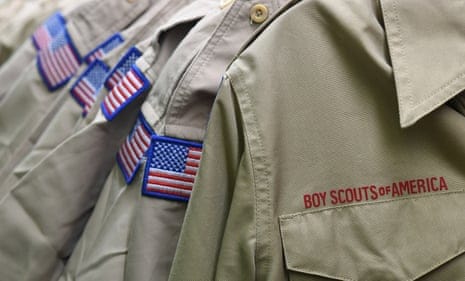
The US Department of Defense appears to be recalibrating its position on its decades-long relationship with Scouting America, signaling a potential shift away from earlier plans to sever ties with the youth organization. After months of political pressure and internal debate, defense officials are now exploring options that would allow the partnership to continue under revised conditions, reflecting the complexity of balancing cultural disputes with institutional tradition.
The Pentagon’s relationship with Scouting programs has historically included allowing troops to meet on military bases, providing logistical support for major gatherings, and offering enlistment incentives for Eagle Scouts. While discussions about ending those arrangements intensified in recent months, new developments suggest the department is now weighing a compromise rather than a clean break.
Policy Shift Driven by Political and Institutional Pressure
The evolving stance comes after mounting criticism from lawmakers and military families who view the Scouting partnership as a long-standing cultural and community fixture. The debate has exposed divisions within political circles, as some conservatives initially backed distancing the military from the organization, while others argued that the dispute was unnecessary and distracting from broader defense priorities.
Military families have also raised concerns about the impact of a potential split. Thousands of children connected to service members participate in Scouting programs, often using them as a source of stability amid frequent relocations. Community advocates argue that removing access to base facilities would disrupt youth development initiatives that have historically complemented military family support networks.
Public policy analysts note that institutional partnerships like this often endure because they serve practical purposes beyond ideology. The Pentagon’s family readiness and morale programs, detailed on the <a href=”https://www.militaryonesource.mil” target=”_blank”>Military OneSource</a> platform, emphasize youth engagement and community integration as key pillars of long-term force sustainability.
Negotiations Focus on New Conditions
Rather than abruptly ending cooperation, defense officials are now reportedly considering a revised memorandum of understanding that would redefine how the Pentagon works with Scouting America. Such agreements typically outline access to facilities, standards for participation, and coordination for major events.
One key area of discussion involves eligibility and registration policies for youth participants. While Scouting America has expanded its inclusivity policies in recent years, the Defense Department is evaluating how those policies intersect with military regulations. Any negotiated framework would likely attempt to clarify expectations while maintaining operational consistency across bases.
The outcome of these talks could also shape the broader narrative around how the military engages with civilian organizations. The Pentagon’s community outreach model, described on the <a href=”https://www.defense.gov” target=”_blank”>US Department of Defense</a> website, highlights the importance of partnerships that support service members’ quality of life. Adjusting the terms of cooperation rather than ending them outright may align with that long-standing approach.
Major Events Add Urgency to the Decision
The timing of the debate is especially significant due to the upcoming National Scout Jamboree, a large-scale event that typically requires coordination with federal and local agencies. These gatherings depend on extensive logistical support, including transportation planning, emergency services, and infrastructure coordination.
Without Pentagon participation, organizers would need to rapidly secure alternative resources, potentially increasing costs and operational risks. Large youth events often rely on interagency collaboration, as outlined in federal emergency planning guidance available through <a href=”https://www.ready.gov” target=”_blank”>Ready.gov</a>, which underscores the importance of coordinated support for mass gatherings.
Beyond logistics, the decision carries symbolic weight. The military’s century-long connection to Scouting has been framed by supporters as a reflection of shared values such as leadership, civic responsibility, and service. Critics, however, argue that modern defense institutions must adapt to evolving social dynamics and avoid entanglement in cultural debates.
As negotiations continue, the Pentagon’s final decision will likely hinge on whether a revised partnership can balance institutional continuity with contemporary policy expectations. Observers suggest that maintaining ties under updated guidelines may offer a middle path that preserves practical benefits while acknowledging shifting cultural realities.
The broader implications extend beyond a single organization. The debate illustrates how cultural issues increasingly intersect with defense policy, shaping how the military navigates its relationships with civilian institutions. Updates on military family programs and youth engagement initiatives are regularly published through resources such as <a href=”https://www.army.mil” target=”_blank”>Army.mil</a>, where evolving policies often reflect wider societal changes alongside operational priorities.