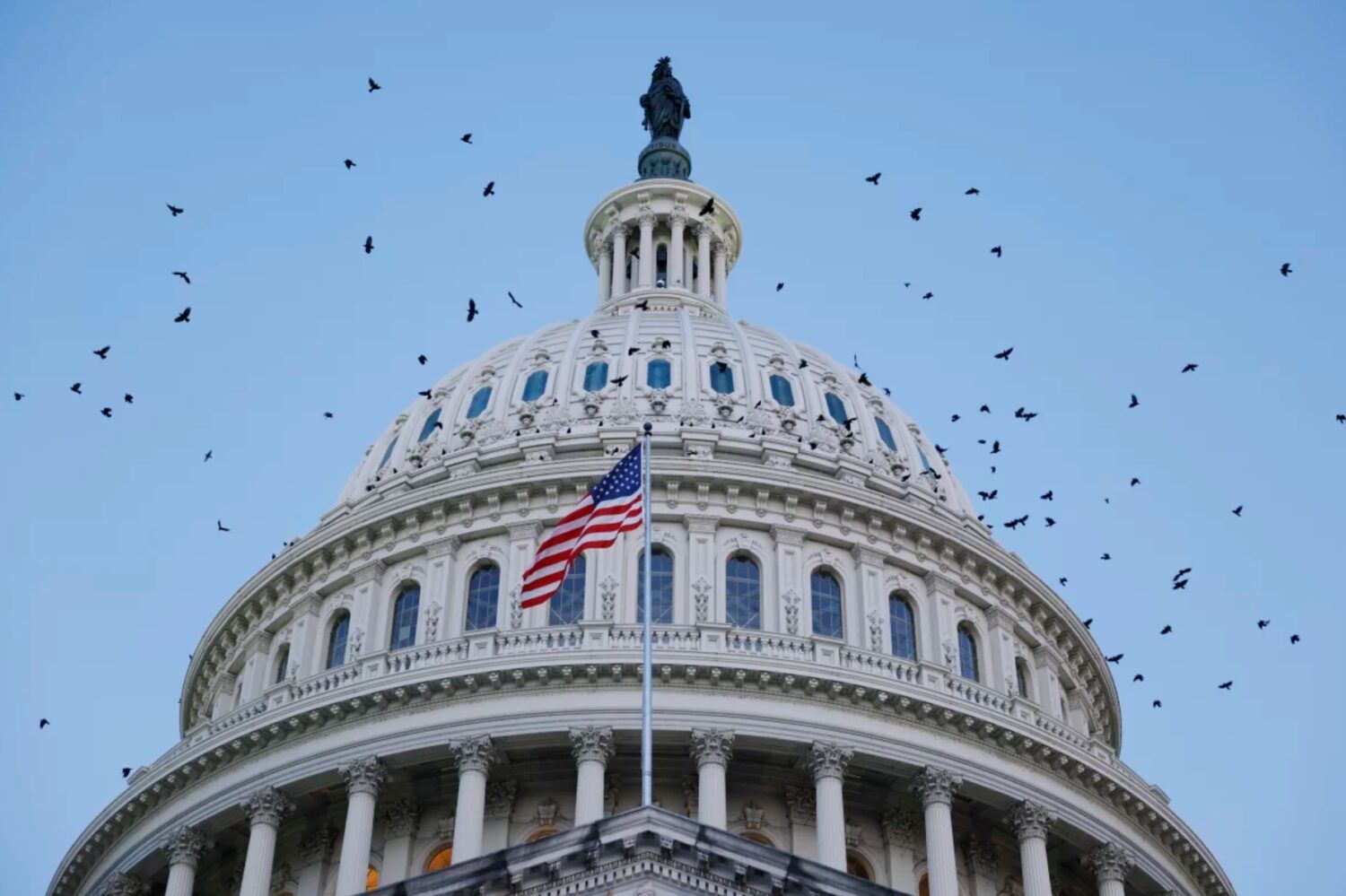
More than a tenth of the current U.S. Congress has already announced that it will not return after the 2026 midterm elections, marking one of the most significant periods of legislative turnover in modern political history. As of December 17, 2025, a total of 54 lawmakers have confirmed plans to leave their current roles, either through retirement or by pursuing other elected offices. This figure includes 10 senators and 44 members of the House of Representatives, reflecting substantial movement across both chambers of the legislative branch.
This wave of departures encompasses a broad range of political figures, from long-serving leaders to high-profile lawmakers who have been central to recent partisan debates. Veteran figures such as California Representative Nancy Pelosi and Kentucky Senator Mitch McConnell have announced their intention to step away from Congress, signaling a generational transition within both parties. At the same time, other lawmakers have chosen to exit Washington to pursue state-level roles, reinforcing a broader trend of political recalibration as the 2026 elections approach. Detailed institutional data on congressional service and membership changes can be reviewed through official legislative resources such as https://www.congress.gov.
Shifts Driven by Retirements and New Political Ambitions
Of the 54 lawmakers who have confirmed their exit plans, 25 are retiring from public office altogether, while the remaining members are seeking different political positions. Among those pursuing new roles, 15 are running for governor in their respective states, and 13 are attempting to move from the House to the Senate. This level of ambition-driven turnover is notable for its scale and timing, occurring well ahead of the midterm election cycle.
Several lawmakers not currently up for reelection have also indicated that they would resign their Senate seats if successful in gubernatorial races, underscoring how executive ambitions are reshaping the legislative landscape. The departures add to earlier changes during the current congressional term, which has already seen multiple resignations and vacancies due to deaths or successful statewide campaigns. Official records of House membership and transitions are maintained by the U.S. House of Representatives at https://www.house.gov, offering insight into how these changes affect chamber composition.
Record-Level Departures During the Trump Era
Since 2017, approximately 900 individuals have served in Congress, including senators, representatives, and lawmakers who have held seats in both chambers. A significant portion of the current Senate and nearly half of the House have served continuously since the start of President Trump’s first term, highlighting how the present wave of exits represents a break from relative continuity earlier in the era.
Retirement has emerged as the most common exit path during this period, with more than 140 lawmakers leaving Congress between 2017 and 2024 alone. The announcements made before the end of 2025 already constitute a modern record for early-declared departures ahead of a midterm election. This level of turnover suggests a recalibration of political careers in response to shifting electoral dynamics, changing voter expectations, and evolving party strategies. Comprehensive biographical and service data for members of Congress can be accessed through https://bioguide.congress.gov.
Redistricting, Narrow Majorities, and Electoral Pressure
Structural and political factors are also accelerating lawmakers’ decisions to leave Congress. Republicans enter the 2026 midterms with narrow majorities in both chambers, facing voter dissatisfaction tied to second-term policy debates and legislative gridlock. At the same time, redistricting efforts across multiple states have introduced uncertainty for incumbents, particularly in districts reshaped by mid-decade map changes.
Court-approved congressional maps in states such as Texas have prompted a series of retirements and office changes as incumbents reassess their electoral prospects under new boundaries. In other states, aggressive redrawing of districts has increased the likelihood of incumbent-versus-incumbent primary contests, further motivating lawmakers to step aside or seek alternative offices. State-by-state election dynamics and redistricting impacts are tracked extensively by nonpartisan platforms like https://ballotpedia.org, which document how boundary changes influence candidate decisions.