Precautions Persist Despite Lifted Restrictions
For much of the world, the routines shaped by the pandemic—masks, distancing, and strict isolation—have largely faded into memory. Yet inside parts of the Winter Olympics in Italy, remnants of that era remain visible. While official COVID protocols have been relaxed under guidance aligned with the International Olympic Committee, individual athletes and teams are choosing to maintain their own protective measures.
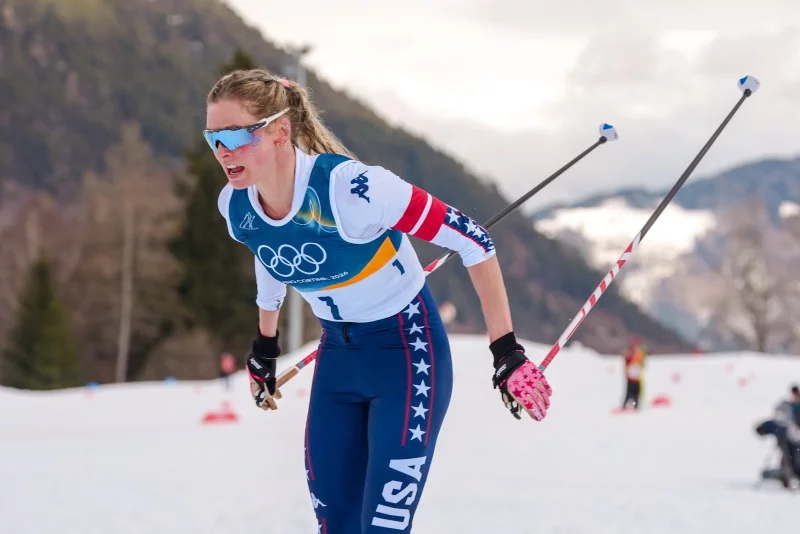
Members of the U.S. women’s cross-country ski team, for example, have continued wearing masks in crowded indoor spaces, including media events. For these athletes, avoiding illness is not about fear but about safeguarding years of preparation. With races decided by fractions of a second, even a mild respiratory infection can undo an Olympic dream.
Self-Imposed Bubbles and Team Strategies
Beyond masking, some delegations have taken further steps by creating self-contained environments. The U.S. cross-country team opted out of the Olympic Village, instead renting private accommodations where access can be carefully controlled. Similar strategies have been adopted by several Scandinavian teams, reflecting a broader trend among endurance athletes who are particularly vulnerable to respiratory viruses.
These decisions align with performance-first approaches often discussed within organizations such as Team USA, where athlete health is viewed as inseparable from competitive success. Inside these bubbles, athletes limit social interactions, share meals only with teammates, and focus on recovery and energy conservation during the most demanding weeks of their careers.
Contrasting Approaches Across Sports
Not all teams have adopted the same level of caution. In Milan, where athletes from multiple sports converge, approaches have varied widely. Some teams have embraced social activities and public gatherings, reflecting confidence in the post-pandemic environment. However, these choices have carried risks, as illustrated when illness outbreaks forced schedule disruptions shortly before competition.
The contrast has been particularly stark when compared with the discipline seen in cross-country skiing, a sport governed internationally by the International Ski Federation. Athletes in this discipline often emphasize isolation and routine, drawing on lessons learned during previous Olympic cycles.
Health experts continue to note that viruses like norovirus and seasonal respiratory infections remain a concern in large, international gatherings, a reality long emphasized by institutions such as the World Health Organization. For many Olympians, maintaining strict personal protocols is less about official rules and more about controlling the few variables they can as they compete on the world’s biggest stage.