A Revisionist Western That Expands the Boundaries of History
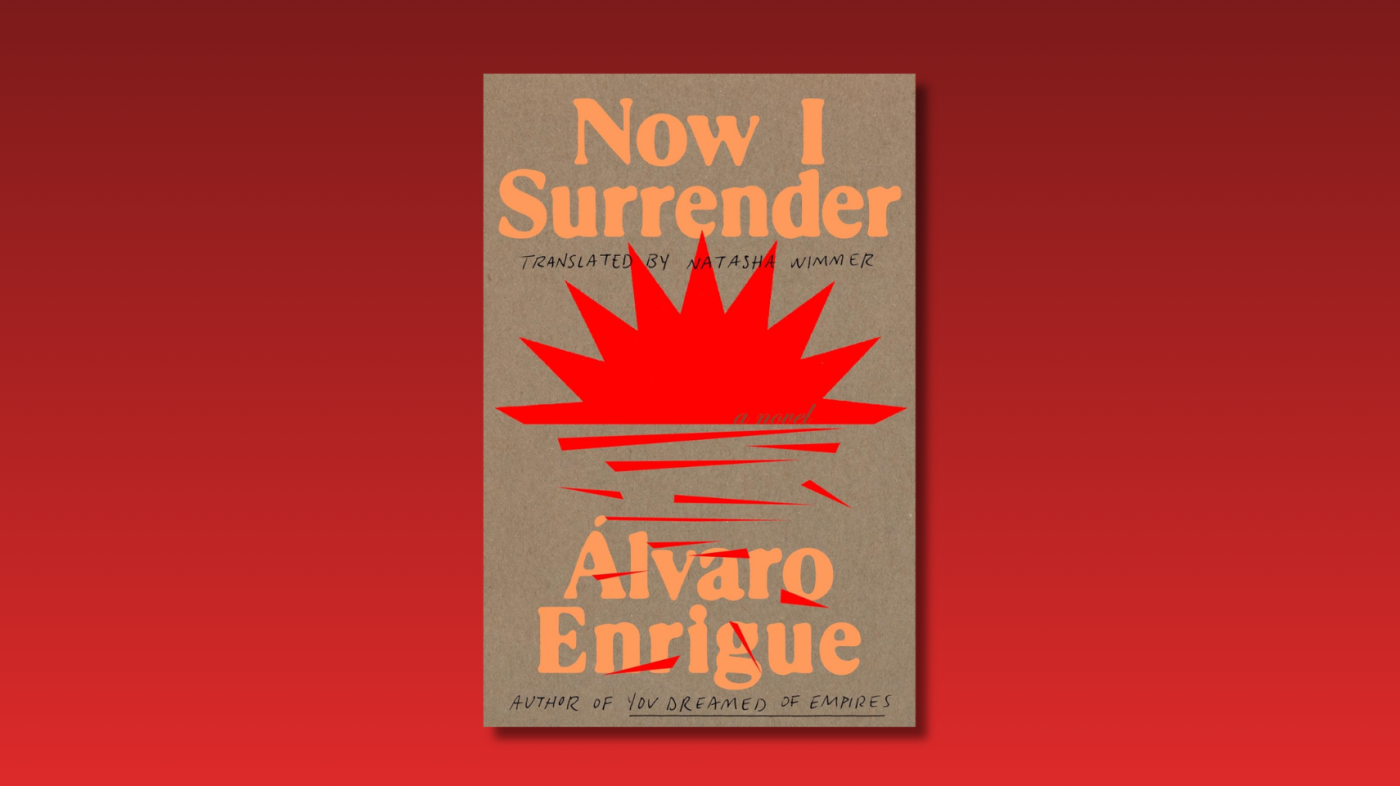
Now I Surrender emerges as a bold literary work that challenges the conventions of the traditional American Western. Rather than following a linear narrative, the novel blends historical reconstruction with metafiction, placing its author, Álvaro Enrigue, within the story itself. This self-aware approach situates the book alongside works by writers such as E. L. Doctorow and Don DeLillo, who similarly question the reliability of historical narratives.
From its opening line, the novel establishes a philosophical tone, suggesting that writing itself is an act of defiance against absence. This idea shapes the entire narrative, where the past is not merely retold but actively reconstructed. Readers encounter a layered storytelling experience that refuses to accept “official history” at face value, instead probing the silences and omissions that have defined the mythology of the American West. For further context on similar literary approaches, readers can explore metafiction techniques at Encyclopaedia Britannica and their impact on contemporary fiction.
Violence, Survival, and the Borderlands Narrative
At the heart of the novel lies the harrowing story of Camila, a young Mexican woman whose life is upended by an Apache raid. Her abduction sets in motion a narrative that is both deeply personal and historically expansive. Through Camila’s journey, Enrigue captures the brutality of frontier life while also humanizing the cultural and territorial conflicts of the 19th century.
The novel vividly portrays Apachería, the vast region spanning present-day northern Mexico and the southwestern United States. This land, once central to Apache life, becomes a symbol of displacement and cultural erasure. Enrigue’s depiction of this territory challenges simplified narratives of conquest, offering instead a complex view of overlapping identities and contested spaces. Readers interested in the historical geography of this region can find additional insights through resources like National Park Service, which documents the cultural history of the American Southwest.
A parallel storyline follows a Mexican military search party venturing deep into this contested land. Their mission to recover Camila becomes a lens through which the novel examines power, authority, and the fragility of national borders. The narrative underscores how different groups—Mexicans, Indigenous peoples, and American settlers—coexisted and clashed in ways that defy simplistic categorization.
Geronimo, Myth, and the End of an Era
The novel’s title draws from the historic surrender of Geronimo in 1886, a moment that marked the symbolic end of Apache resistance. Enrigue revisits this event not as a fixed historical point but as a narrative shaped by perspective and memory. By reexamining Geronimo’s legacy, the book questions how figures are transformed into myths and how those myths influence national identity.
While the sections focusing on Geronimo’s later life occasionally shift the novel’s tone, they also highlight the transformation of a once-feared leader into a public spectacle. His appearances at events such as the 1904 World’s Fair and political ceremonies reveal the contradictions inherent in how history remembers its figures. For readers seeking a broader historical understanding, institutions like the Smithsonian Institution provide valuable context on Native American history and representation.
Ultimately, Now I Surrender stands as an expansive and inclusive narrative that redefines the Western genre. It brings together a wide array of voices—Indigenous communities, Mexicans, settlers, and even the author himself—into a single, multifaceted story. By doing so, Enrigue creates what can best be described as an “expandable Western,” one that resists closure and instead invites readers to reconsider the narratives that have long defined the American frontier.