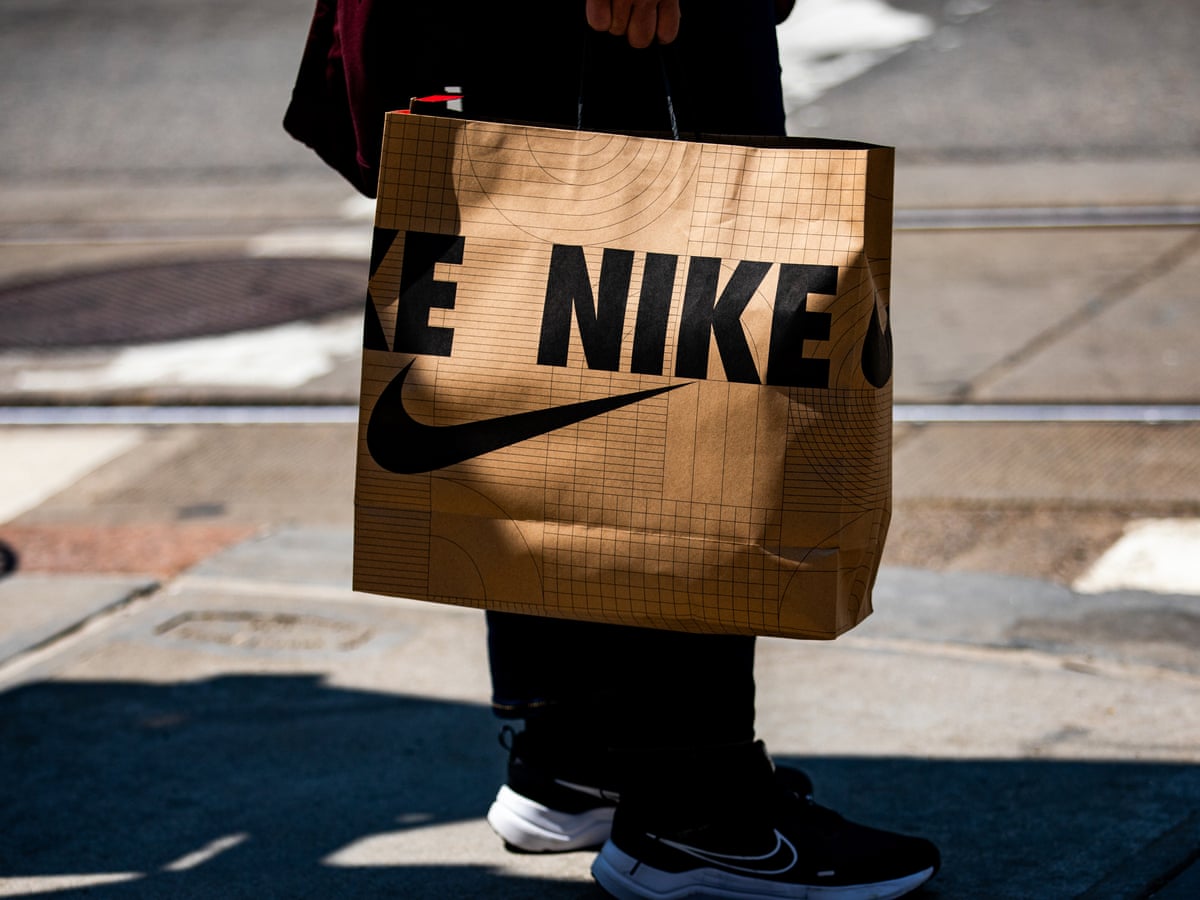
Nike, one of the world’s most influential sportswear companies, is now at the center of a federal investigation into allegations that its diversity, equity, and inclusion policies may have led to discriminatory treatment of white employees. The probe, disclosed in federal court filings, marks one of the most significant regulatory actions taken against a major U.S. corporation over DEI practices and could have far-reaching implications for corporate governance, workforce management, and employment law nationwide.
The investigation is being led by the Equal Employment Opportunity Commission, the federal agency responsible for enforcing civil rights laws in the workplace. According to court documents, the agency has demanded that Nike provide detailed information regarding its layoff procedures, the ways it tracks employee race and ethnicity, and the design and implementation of mentoring and leadership programs that allegedly restricted participation based on race. The agency’s formal request escalates scrutiny of corporate diversity strategies at a time when such initiatives are facing increased political and legal pressure.
Nike has responded by stating that it is cooperating with the investigation while expressing concern that the request represents an unusual and unexpected escalation. The company said it has already shared thousands of pages of documents and extensive written responses, emphasizing that it believes its employment practices comply with federal anti-discrimination laws. Information about Nike’s corporate governance and workforce policies can be found on its official corporate site at https://www.nike.com.
Federal Scrutiny Intensifies Around Corporate DEI Strategies
The EEOC’s action against Nike reflects a broader shift in federal enforcement priorities, particularly regarding the interpretation of diversity and inclusion policies under civil rights law. Under Title VII of the Civil Rights Act, employers are prohibited from making hiring, promotion, or termination decisions based on race, sex, or other protected characteristics. While many companies have implemented DEI programs to encourage broader representation, critics argue that some initiatives may inadvertently cross legal boundaries.
The investigation seeks to clarify whether Nike’s internal programs, including leadership training and mentoring opportunities, relied on race-based eligibility criteria. Regulators are examining whether such programs limited access for certain groups, potentially violating federal protections. Details about the agency’s mission and enforcement authority are outlined on the official EEOC website at https://www.eeoc.gov.
At the heart of the inquiry is a broader legal and political debate about the role of diversity programs in the modern workplace. Following widespread social justice protests in 2020, numerous corporations announced ambitious diversity targets, often aiming to increase representation of historically underrepresented groups. While companies argued these targets were aspirational goals rather than quotas, regulators are now closely evaluating whether internal practices tied to those objectives resulted in unequal treatment.
The case against Nike is especially significant because of the company’s size, visibility, and influence across global markets. With tens of thousands of employees worldwide and annual revenues exceeding $50 billion, any compliance changes required by federal regulators could ripple across the broader corporate sector, influencing how companies structure recruitment, promotion, and leadership development programs.
Political Pressure and Legal Challenges Shape Enforcement Landscape
The investigation also unfolds within a charged political environment in which diversity policies have become a central issue. Federal agencies have increasingly aligned enforcement strategies with a broader political agenda focused on limiting race-conscious decision-making in public and private institutions. This shift reflects growing skepticism among policymakers toward corporate DEI programs, particularly those perceived as introducing preferential treatment.
Legal advocacy groups have played a prominent role in shaping this environment. Organizations focused on civil rights litigation and regulatory oversight have filed multiple complaints urging federal authorities to investigate corporate diversity policies they believe violate anti-discrimination statutes. One such organization, America First Legal, has actively pushed for greater scrutiny of large employers and has detailed its legal initiatives on its website at https://www.aflegal.org.
These legal challenges have placed corporations in a complex position. On one hand, companies face social and market pressures to demonstrate a commitment to diversity and inclusion. On the other, they must ensure strict compliance with federal laws that prohibit employment decisions based on race or gender. The Nike investigation highlights the delicate balance businesses must navigate as regulatory standards evolve.
For Nike, the legal stakes extend beyond regulatory compliance. The company’s global brand identity is closely tied to values of inclusion, empowerment, and social progress. Any findings of discriminatory practices could pose reputational risks, potentially affecting consumer trust, investor confidence, and partnerships. As regulatory scrutiny intensifies, corporations across industries may reevaluate their internal policies to mitigate similar risks.
Potential Impact on U.S. Corporate Employment Practices
The outcome of the Nike investigation could significantly influence how companies nationwide design and implement workplace diversity initiatives. Should regulators determine that certain DEI practices violate federal law, businesses may need to restructure mentoring programs, leadership pipelines, and recruitment strategies to ensure race-neutral criteria while still promoting equal opportunity.
Legal experts suggest that the case could establish new benchmarks for compliance, prompting companies to adopt more data-driven, merit-based systems that emphasize inclusivity without explicit demographic targets. This could lead to a broader transformation in corporate human resources practices, especially among Fortune 500 firms with extensive compliance frameworks.
The investigation also underscores the expanding role of federal agencies in shaping corporate culture. By demanding detailed disclosures about internal employment data and decision-making processes, regulators are reinforcing expectations of transparency and accountability. For multinational companies like Nike, these expectations may extend beyond U.S. operations, influencing global workforce strategies.
As policymakers, legal advocates, and corporate leaders continue to debate the future of diversity initiatives, the Nike case stands as a defining moment. Its resolution could set a precedent for how companies reconcile commitments to inclusion with strict adherence to civil rights law, shaping the next chapter of corporate governance in the United States.