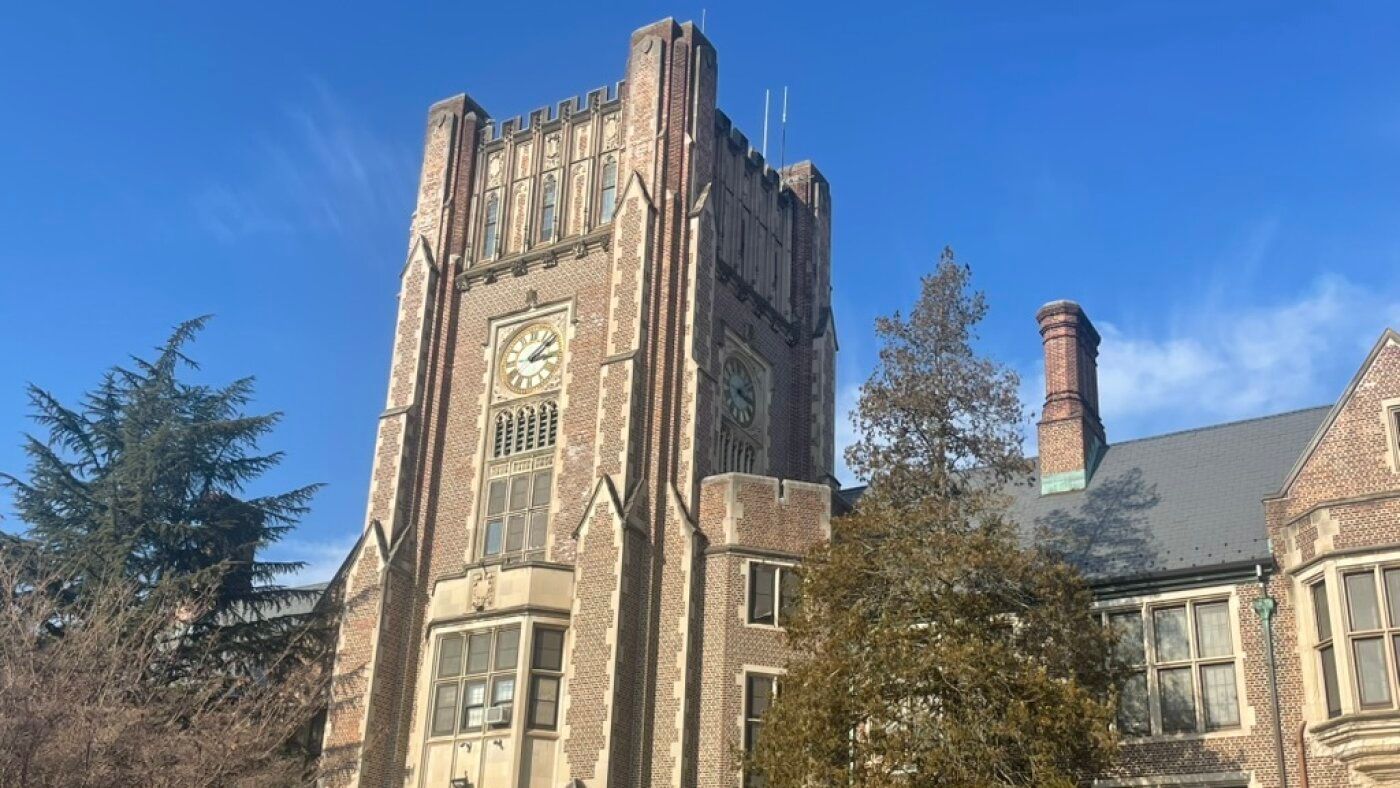
The South Orange–Maplewood School District in New Jersey has removed the Pulitzer Prize–winning novel The Brief Wondrous Life of Oscar Wao by <a href=”https://www.junotdiaz.com/” target=”_blank”>Junot Díaz</a> from an Advanced Placement English Literature and Composition class at Columbia High School, citing urgent mental health concerns among students. The decision follows a series of traumatic events affecting the suburban community located approximately 15 miles west of New York City, where multiple suicide attempts involving enrolled students have been reported this academic year.
District Superintendent Jason Bing confirmed that at least five students at Columbia High School attempted suicide during the current school year. In addition, one student died in an accident in December, while another young person connected to the community died by suicide the same month. School officials characterized the situation as an escalating mental health emergency requiring immediate institutional response.
The removal of the novel, first reported by student media, has sparked debate among parents, educators, and free speech advocates about the role of literature in times of crisis and whether restricting classroom texts addresses deeper systemic issues affecting adolescent mental health.
District Cites Student Well-Being and Preventative Measures
According to district officials, the decision to remove the novel originated within school administration rather than from parental complaints. Administrators described the action as one component of a broader intervention strategy aimed at stabilizing student well-being.
The district has announced plans to implement opt-in mental health screenings for all students at Columbia High School and to expand access to counseling services and crisis intervention programs. Administrators say these steps are designed to identify at-risk students earlier and provide targeted support.
While the district has allowed parents to sign permission forms enabling their children to continue studying the novel, advocacy organization <a href=”https://pen.org/” target=”_blank”>PEN America</a> has classified the policy as a form of book restriction. The organization has reported a nationwide rise in book removals linked not only to discussions of race and sexuality but increasingly to themes involving grief, depression, suicide, and trauma.
Recent analyses indicate that nearly 60% of restricted titles in U.S. schools involve mental health themes or portrayals of violence and emotional distress. Works such as Thirteen Reasons Why by <a href=”https://www.jayasher.com/” target=”_blank”>Jay Asher</a>, The Perks of Being a Wallflower by <a href=”https://www.stephenchbosky.com/” target=”_blank”>Stephen Chbosky</a>, and 19 Minutes by <a href=”https://www.jodipicoult.com/” target=”_blank”>Jodi Picoult</a> have faced similar scrutiny in recent years.
The Literary and Cultural Significance of Oscar Wao
Published in 2007, The Brief Wondrous Life of Oscar Wao received the Pulitzer Prize for Fiction in 2008 and has been widely recognized as a defining novel of the 21st century. The book explores identity, diaspora, generational trauma, dictatorship, masculinity, and belonging through the life of its Dominican American protagonist.
For more than a decade, the novel has been part of Columbia High School’s curriculum, particularly within advanced placement courses. Educators have emphasized its literary depth and cultural relevance, highlighting how it contextualizes both the dictatorship of Rafael Trujillo in the Dominican Republic and broader forms of social control embedded in cultural norms.
Teachers familiar with the curriculum argue that the novel provides students with tools to critically analyze authoritarian systems, social marginalization, and mental health struggles. They contend that literature addressing complex emotional realities can serve as a framework for dialogue rather than a catalyst for harm.
Growing National Debate Over Books and Mental Health
The New Jersey case reflects a broader national conversation about how schools should respond when literature intersects with student vulnerability. Across the United States, districts are grappling with how to balance academic freedom, parental concerns, and student safety.
Mental health professionals increasingly emphasize early intervention, social-emotional learning, and destigmatization of mental illness. According to federal public health data, adolescent mental health challenges have risen significantly over the past decade, with reported increases in anxiety, depression, and suicidal ideation.
Critics of book removals argue that restricting literature does not address root causes such as social media pressure, academic stress, family instability, or limited access to mental health care. Supporters of temporary restrictions counter that schools must exercise caution during periods of acute crisis.
As Columbia High School moves forward with expanded screenings and counseling resources, the debate underscores a complex question facing educators nationwide: whether confronting difficult themes in literature strengthens student resilience or risks exacerbating emotional distress during fragile moments.
The district has not indicated whether the novel will be permanently removed or reinstated in full without permission requirements. Meanwhile, the controversy continues to draw attention from educators, free expression advocates, and policymakers concerned with both student well-being and intellectual freedom in American public schools.