European leaders raised new alarms about the direction of negotiations between Kyiv and Moscow. They warn that Russia shows no genuine willingness to pursue a credible peace agreement. As discussions circulate between capitals like Geneva, Abu Dhabi, and Washington, the European Union is intensifying its calls for meaningful participation in the process. They insist that any long-term settlement will inevitably rely on European institutions, NATO operations, and regional security structures. At the same time, growing concerns over the fate of approximately €210bn (about $225bn) in frozen Russian assets are fueling debates across European financial and legal circles. Governments are evaluating the implications of redirecting these funds toward Ukraine’s defense and reconstruction.
While the diplomatic landscape is shifting rapidly, analysts and policymakers across Europe increasingly reference geopolitical research hubs such as Carnegie Europe for strategic assessments on the war’s impact on the continent. Their analyses help provide insight into how Russia’s post-World War Two mindset continues to dominate its approach. This reinforces the idea that Moscow still views Europe as a contested sphere of influence. Rather than, they see it as a collection of sovereign states determining their own defense and political priorities. This tension shapes every part of the ongoing diplomatic efforts.
European Leaders Push Back Against Moscow’s Position as U.S. Mediates Key Negotiations
Recent negotiations mediated by the United States have produced new drafts of a potential peace framework. These changes reflect the initial 28-point plan that was widely criticized for pushing territory concessions and restricting Ukraine’s military capabilities. Ukrainian President Volodymyr Zelensky signaled that the revised proposal represented a more balanced “approach.” Yet, numerous points of contention with Russia remain unresolved. Moscow has minimized expectations around compromise and repeatedly states that it is premature to discuss a final settlement.
As the U.S. escalates its diplomatic efforts, including shuttle visits between Moscow and Kyiv, European governments emphasize that they must be included in any final agreement. Leaders have pointed out that the EU will likely shoulder much of the long-term implementation. This includes security guarantees to reconstruction oversight. Diplomatic meetings such as the joint France–UK–led “coalition of the willing” have focused on outlining security guarantees. They aim to align with NATO’s broader strategic commitments. Discussions also often echo positions highlighted by defense policy institutions like NATO, where concerns about long-term regional stability remain central.
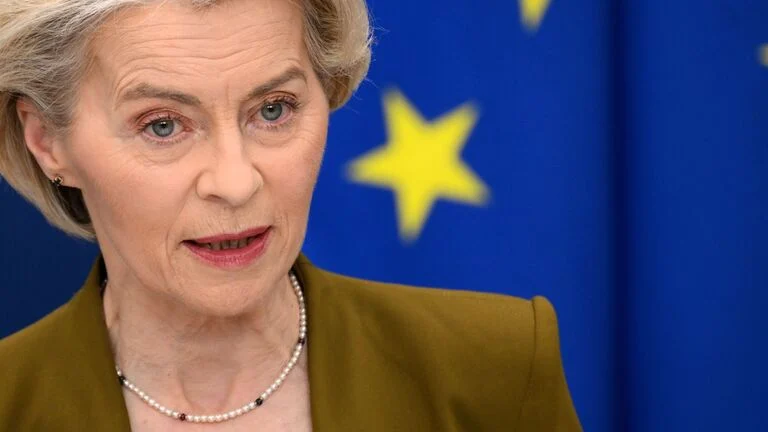
Despite these assertions, European leaders found themselves notably absent from recent rounds of talks. This exclusion has reignited debate across the continent over Europe’s precise role in shaping a peace settlement. This settlement directly affects its security, economic landscape, and diplomatic standing. German Chancellor Friedrich Merz reinforced this point, stating that Europe must be seen as a sovereign actor with its own values and strategic priorities. His remarks resonated across EU member states, which continue to call for a structured role in shaping the final agreement.
Frozen Russian Assets Spark Tension Across the Bloc
A major point of friction among EU governments centers on the massive pool of frozen Russian assets—valued at approximately €210bn ($225bn)—held in European institutions since early in the war. While some leaders believe these funds should be used to support Ukraine’s immediate defense and long-term reconstruction, others worry about the legal and geopolitical consequences of such a decision. Belgium, for instance, has expressed concerns that reallocating the assets could violate international law. Additionally, they fear it might expose European taxpayers to future legal liabilities if Moscow were to challenge the move in international courts.
As these debates unfold, institutions such as The European Council are preparing detailed legal frameworks and option papers. EU leaders are expected to review these in late December. These documents aim to address questions of liability, international precedent, and the potential for a unified European stance on the issue. Meanwhile, financial analysts across the continent continue to warn that any decision regarding the assets must balance legal prudence with geopolitical necessity. This is vital given the scale of Ukraine’s financial needs and the strategic importance of demonstrating European unity.
Europe Urges Inclusion as Russia Pushes Back on Western Participation
The diplomatic momentum of recent weeks has highlighted a recurring challenge—a widening gap between U.S.-driven negotiations and European ambitions for a stronger seat at the table. While Washington’s envoys continue to manage high-stakes conversations, Moscow has dismissed the idea of broader European involvement. They argue that such participation complicates the negotiation process. Kremlin advisers openly questioned the value of European engagement, suggesting that their presence is unnecessary.
This stance has frustrated European officials, who argue that any durable peace agreement will fundamentally require EU and NATO coordination. This coordination is necessary whether regarding border security, military restructuring, or economic stabilization. European leaders maintain that decisions affecting sovereignty, territorial integrity, and military capability cannot be made without the countries most directly impacted. Their concerns reflect the broader expectations of organizations such as The Atlantic Council, where analysts consistently emphasize the indispensable role of Europe in shaping the regional security architecture.
Meanwhile, Ukraine’s leadership is preparing for further direct talks with the United States. Zelensky has expressed his intention to meet with President Trump to discuss core disagreements with Russia—territorial control, NATO membership, and the size of Ukraine’s future military force. Washington has hinted at the possibility of hosting separate discussions with both Zelensky and Putin once the negotiations reach their final stages.
Throughout this intensifying diplomatic process, Europe remains determined to define its role and influence the outcome of a conflict that reshapes the security landscape of an entire continent. As political tensions rise and talks continue to evolve, the balance between U.S. mediation, Russian resistance, and European strategic interests will determine the direction—and potential viability—of the next phase of negotiations.