Minnesota officials have formally rebuffed a sweeping set of demands from U.S. Attorney General Pam Bondi, escalating an already tense standoff between the state and the Trump administration over federal immigration enforcement. The confrontation intensified after the fatal shooting of Alex Pretti, a nurse and U.S. citizen, by immigration officers in Minneapolis, marking the second deadly encounter involving federal agents in the state this month. State leaders argue that the administration’s actions undermine public trust, exceed federal authority, and threaten the privacy rights of Minnesota residents.
Bondi’s letter to Democratic Gov. Tim Walz urged the state to “restore the rule of law,” cooperate fully with Immigration and Customs Enforcement, and dismantle what the administration describes as “sanctuary policies.” Minnesota officials, however, say those claims misrepresent the state’s existing cooperation with federal agencies and ignore established legal boundaries. Walz publicly dismissed the letter, calling the demands politically motivated and legally dubious, while reiterating his call for federal authorities to suspend their enforcement operations in the state.
Immigration Enforcement and State Resistance
At the center of the conflict is Minnesota’s refusal to expand data-sharing agreements with federal agencies following the surge in immigration enforcement activity. State officials maintain that they already comply with lawful requests from ICE and other federal entities, but will not participate in what they view as unconstitutional fishing expeditions for personal data.
The latest fatal shooting has further inflamed tensions, prompting renewed scrutiny of federal operations in the North Star State. Civil rights groups and state lawmakers have raised concerns about the conduct of federal agents and the broader impact of aggressive enforcement tactics on immigrant communities and U.S. citizens alike. Public safety advocates warn that the escalation risks destabilizing local law enforcement partnerships and eroding confidence in federal oversight.
Minnesota’s stance aligns with a broader national pushback against expanded federal data access. More than 20 states have refused to comply with similar demands to share records related to food assistance programs and Medicaid enrollment. Legal challenges across the country have argued that such requests violate federal privacy protections and exceed statutory authority, reinforcing Minnesota’s legal position.
Disputes Over Medicaid, SNAP, and Personal Data
Bondi’s letter also called for Minnesota to hand over records related to Medicaid and food assistance programs, including SNAP, citing allegations of fraud linked to immigrant populations. State officials rejected the request, pointing to ongoing litigation and prior court rulings that limit the federal government’s ability to access sensitive data without proper legal justification.
Minnesota is among a coalition of states that successfully challenged a demand from the U.S. Department of Agriculture to release SNAP applicant information. A federal judge in California issued a preliminary ruling indicating that the states were likely to prevail, underscoring the legal vulnerabilities of the administration’s data-gathering efforts. Similarly, Minnesota joined a multistate lawsuit seeking to block the Department of Health and Human Services from sharing Medicaid data with the Department of Homeland Security for immigration enforcement purposes. Although a separate ruling allowed limited data sharing, state officials argue that the scope remains narrowly defined and does not justify the sweeping disclosures now being sought.
The legal framework governing these disputes draws on long-standing privacy statutes and administrative law principles, many of which are outlined by agencies such as the U.S. Department of Justice and the Department of Homeland Security. Minnesota officials contend that the administration’s demands disregard these constraints and set a dangerous precedent for federal overreach.
Voter Data Demands and National Implications
In a move that further alarmed state leaders, Bondi also requested access to Minnesota’s voter data, framing the demand as part of an effort to enforce federal election law. Minnesota’s chief election official, Steve Simon, rejected the request, stating that federal law does not authorize the government to obtain unredacted voter lists and warning that the move could undermine election integrity.
The request mirrors similar efforts by the DOJ to compel roughly two dozen states to share voter data, particularly states that voted against Trump in the 2020 election. Courts in multiple jurisdictions, including California, Oregon, and Georgia, have dismissed or signaled skepticism toward these lawsuits, with judges describing the federal demands as unprecedented and unlawful.
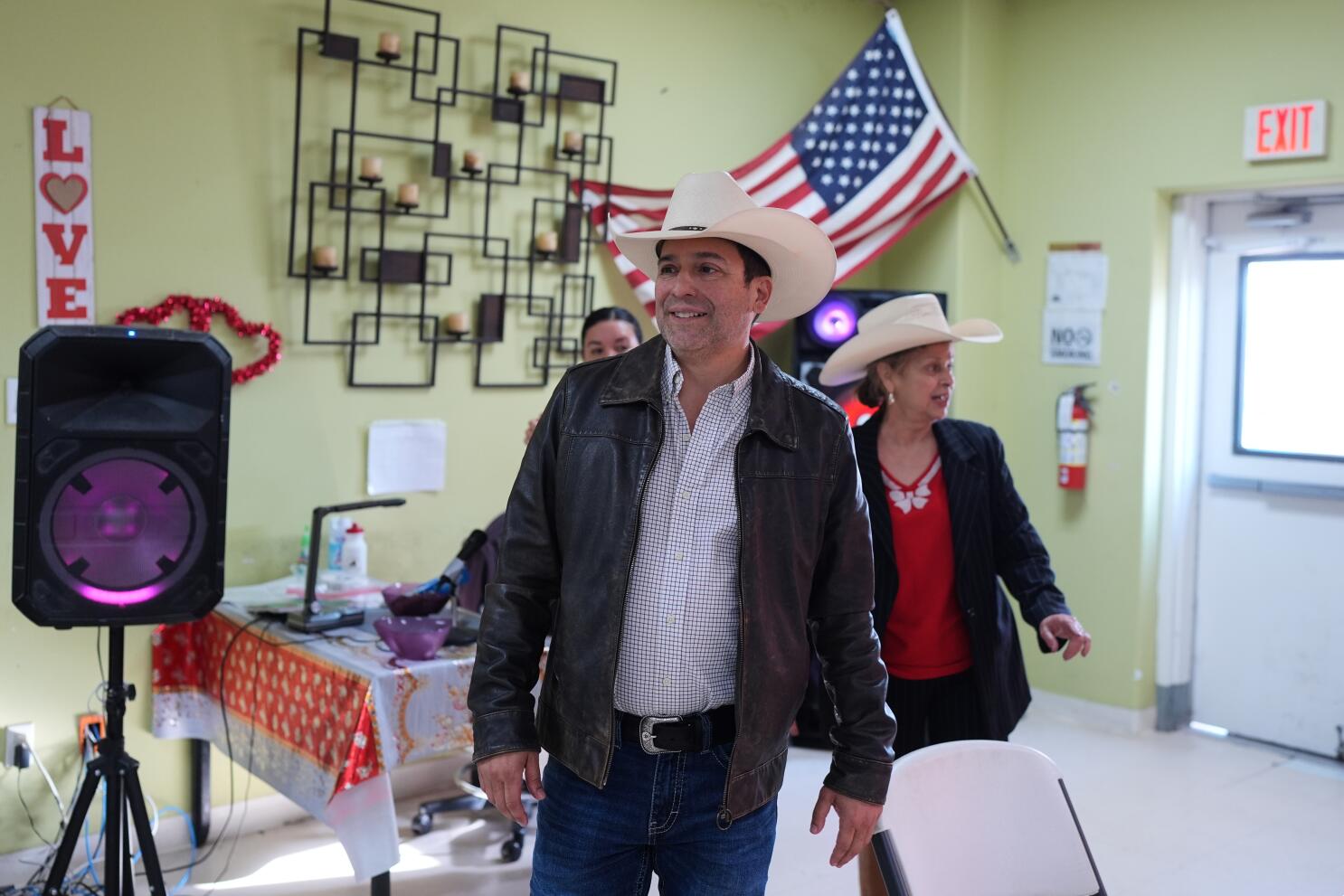
Election law experts argue that consolidating voter data into federal systems raises serious security and privacy concerns. The administration has indicated that such data could be processed through systems designed to identify noncitizens, but critics note that prior attempts have produced significant error rates. In one Texas county that voluntarily participated in such a program, a substantial number of flagged voters were later confirmed to be U.S. citizens, highlighting the risk of false positives and wrongful targeting.
Minnesota’s refusal has drawn support from civil liberties organizations and legal scholars, who view the state’s position as a critical test case for the balance of power between federal and state governments. As litigation continues and political tensions mount, the outcome of this standoff is likely to shape future debates over immigration enforcement, data privacy, and the limits of federal authority in managing elections and public assistance programs.