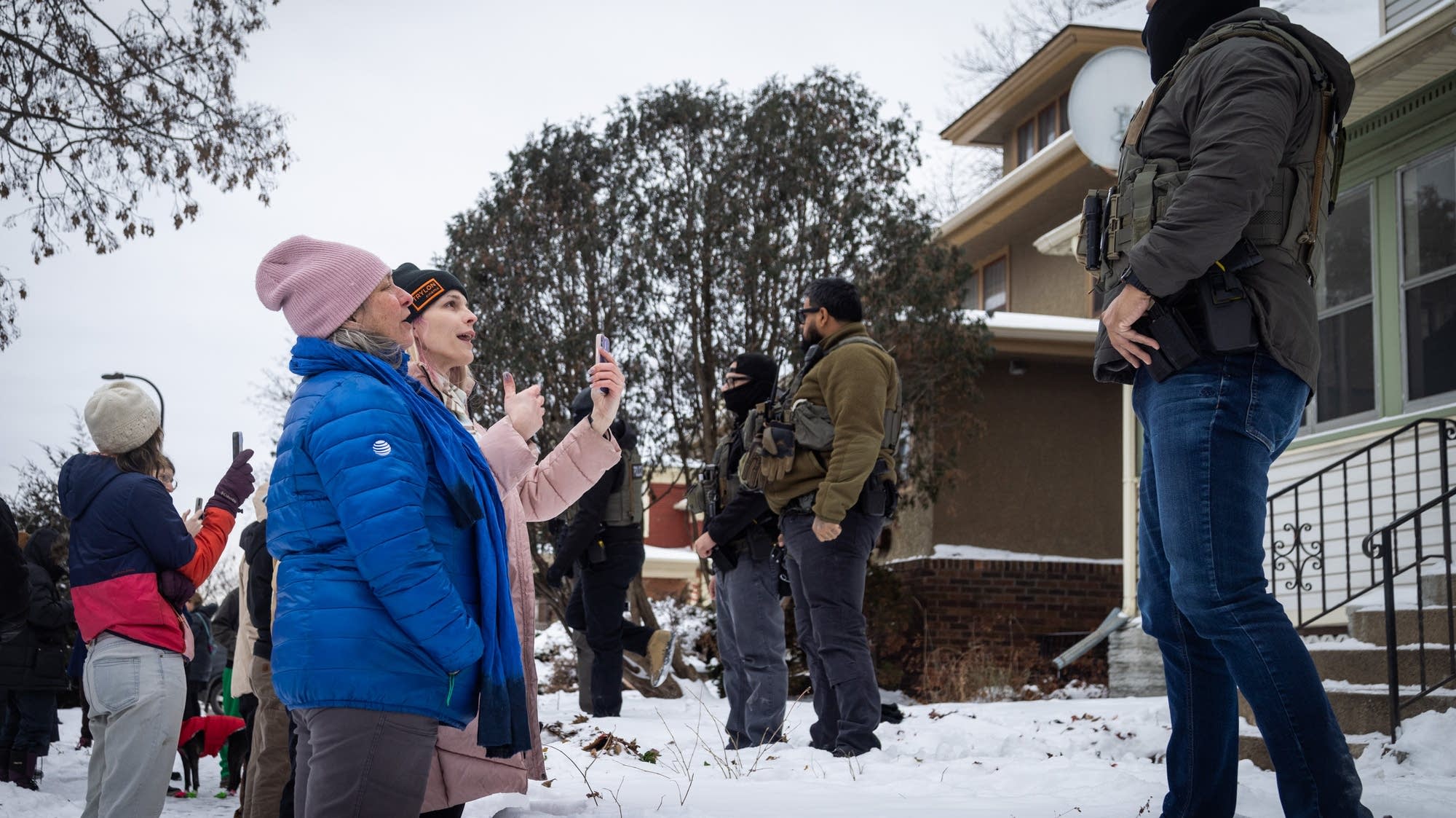
Early one morning in Minnesota, before dawn broke and while families were still asleep, Immigration and Customs Enforcement agents began knocking on doors in residential neighborhoods that are home to hundreds of recently resettled refugees. The sudden presence of armed officers outside family homes has reignited trauma among people who fled violence, persecution, and political instability in their countries of origin. What many believed was the beginning of safety and stability in the United States has now become a new chapter of fear, uncertainty, and legal turmoil.
For families like that of J.J., a Venezuelan refugee who arrived legally in the U.S. with his wife and children, the knock at the door shattered any remaining sense of security. Agents requested entry, citing fingerprint verification for their eldest son. Despite assurances that no detention would take place, their 20-year-old was handcuffed and taken away. The incident reflects a broader enforcement push by the Department of Homeland Security, whose policies and operational guidelines are outlined on its official platform, https://www.dhs.gov, and which has designated Minnesota as a priority region for renewed immigration scrutiny.
The raids have reportedly led to the arrest of more than $100 individuals, most of whom entered the U.S. under refugee protection programs and possess no criminal history. Many have been transferred to detention centers in Texas, separated from families, jobs, and support networks, often without clear explanations or legal warrants. These actions have sparked a major legal challenge, arguing that detentions were conducted without probable cause, raising constitutional concerns over due process and civil liberties.
Federal Enforcement Strategy and Legal Controversy
The Department of Homeland Security has stated that its renewed operations aim to combat fraud within the refugee system and protect the integrity of U.S. immigration policies. According to official enforcement priorities detailed on the https://www.ice.gov website, Immigration and Customs Enforcement is tasked with targeting individuals suspected of fraud, security risks, or violations of immigration law. However, advocates and attorneys argue that current practices in Minnesota are sweeping, indiscriminate, and legally questionable.
Federal courts have intervened after reports emerged that refugees were detained without warrants, questioned for extended periods, and denied timely access to legal counsel. A federal judge issued a temporary halt to further detentions, ordering the release of those already held while legal proceedings continue. The ruling emphasized the foundational principle that America must remain a refuge for those fleeing persecution, not a place where fear replaces freedom.
Legal experts stress that refugees undergo one of the most rigorous vetting processes in the U.S. immigration system. Background checks include biometric screenings, in-depth interviews, and extensive security reviews coordinated across multiple federal agencies. Many of the detainees are still awaiting final green card approvals through processes managed by U.S. Citizenship and Immigration Services, https://www.uscis.gov, and had complied fully with all legal requirements.
Community Impact and Human Consequences
Beyond the courtroom, the raids have deeply affected Minnesota’s diverse communities. Local organizations, religious groups, and advocacy networks have mobilized to support families suddenly left without breadwinners, caregivers, or loved ones. The International Institute of Minnesota, https://iimmn.org, which has played a central role in refugee resettlement across the state, reports rising anxiety, increased calls for emergency assistance, and urgent requests for legal guidance.
Many detainees were primary wage earners, employed in essential sectors such as healthcare, food services, manufacturing, and childcare. Their abrupt removal has disrupted workplaces, strained small businesses, and created economic instability for families already working to rebuild their lives. Community leaders emphasize that refugees contribute significantly to local economies, paying taxes, opening businesses, and filling labor shortages, particularly in rural areas.
In several cases, refugees released from detention in Texas were left without personal belongings, identification documents, or transportation back to Minnesota. Local churches, nonprofits, and private citizens organized fundraising drives to cover travel expenses, food, and temporary housing. The ripple effects extend well beyond the individuals directly impacted, touching schools, employers, and entire neighborhoods.
Broader Immigration Policy and National Debate
The Minnesota enforcement surge comes amid sweeping changes to U.S. immigration policy. Refugee admissions nationwide have been reduced to historic lows, reshaping long-standing humanitarian commitments. At the same time, heightened scrutiny of refugee cases reflects broader political debates over border security, asylum processing, and public benefits oversight.
Immigration attorneys warn that aggressive tactics risk undermining trust between immigrant communities and federal authorities. Fear of detention may discourage individuals from attending immigration appointments, reporting crimes, or cooperating with law enforcement. This erosion of trust can have long-term consequences for public safety, social cohesion, and economic stability.
Advocates argue that if fraud investigations are necessary, they should be conducted through transparent legal channels rather than sudden home raids and prolonged detention. They stress that lawful refugees, many of whom escaped political repression, armed conflict, and economic collapse, deserve dignity, procedural fairness, and respect for their legal status.
As court proceedings continue, Minnesota has become a focal point in the national conversation about immigration enforcement, refugee protections, and constitutional rights. For the families directly affected, the outcome will shape not only their legal future but also their sense of belonging in a country they hoped would finally offer lasting peace and opportunity.