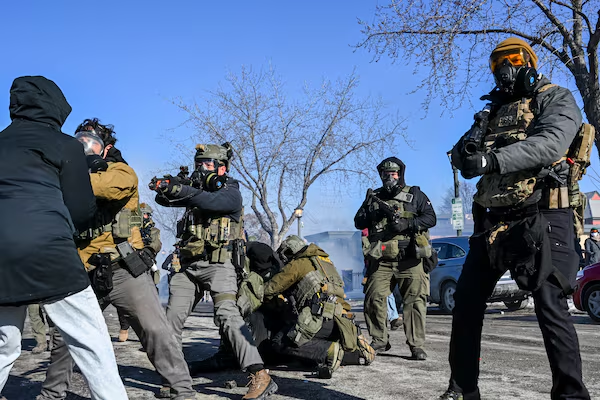
The killings of two U.S. citizens in Minneapolis by federal immigration officers have triggered a national debate over accountability, transparency, and the urgent need for body-worn cameras within federal law enforcement agencies. As Immigration and Customs Enforcement and Customs and Border Protection expand operations under the banner of intensified immigration enforcement, the absence of federally mandated body camera use has become a focal point of public concern, legal challenges, and political confrontation.
In Minneapolis, where thousands of immigration officers have been deployed as part of Operation Metro Surge, the rapid escalation of enforcement actions has coincided with widespread protests, lawsuits from Minnesota officials, and demands from civil rights organizations for greater oversight. The lack of standardized body camera deployment across ICE and CBP has exposed systemic gaps that complicate investigations, erode public trust, and intensify scrutiny over use-of-force incidents. The broader implications extend far beyond Minnesota, touching on long-standing federal law enforcement policies and the evolving political landscape surrounding immigration enforcement in 2026.
Accountability Gaps in Federal Immigration Policing
Federal law does not currently require ICE or CBP to equip officers with body-worn cameras, a regulatory void that stands in contrast to practices adopted by many local and state police departments. In Minneapolis, officials confirmed that ICE officers operating out of the St. Paul field office were not equipped with body cameras and lacked training for their use. The logistical barriers are substantial, with internal estimates indicating that approximately 2,000 devices would be needed to equip officers rotating through Minnesota, along with months of training, installation, and testing.
This absence of recording technology has had immediate consequences. After one of the fatal shootings, senior Department of Homeland Security officials publicly characterized the encounter as an act of terrorism, asserting that the victim had brandished a weapon. Video footage and eyewitness accounts that later emerged contradicted that narrative, intensifying criticism of official statements and raising questions about the reliability of initial agency accounts. The lack of officer-worn camera footage in critical moments has left investigators reliant on fragmented surveillance videos and bystander recordings, a situation that legal analysts say undermines both transparency and due process.
Civil liberties advocates argue that body-worn cameras are not merely a technological upgrade but a foundational accountability tool that protects both civilians and officers. Organizations such as the American Civil Liberties Union have long pushed for mandatory camera use, citing evidence from municipal policing that recordings can reduce complaints, clarify disputed encounters, and improve courtroom outcomes. The policy debate now unfolding in Minneapolis echoes similar controversies seen in other cities, reinforcing the argument that federal immigration enforcement agencies remain out of step with modern policing standards.
Policy Reversals and Funding Constraints
The current policy environment surrounding body cameras reflects a sharp departure from earlier federal initiatives. In 2021, Congress mandated that ICE collaborate with the Homeland Security Office for Civil Rights and Civil Liberties to develop a pilot program for body-worn cameras, with a projected agency-wide rollout by September 2025. That effort was part of a broader executive order aimed at expanding body camera use across federal law enforcement.
When the Trump administration began its second term in 2025, the executive order was rescinded, and staffing levels within the office overseeing the pilot program were reduced. These reversals stalled momentum toward nationwide implementation and left ICE and CBP without a binding framework for adopting camera technology. As a result, deployment decisions have been fragmented, dependent on local field office resources and discretionary budget allocations.
Congress has attempted to address the issue through funding measures. A recent House spending bill proposed allocating $20 million to DHS for body cameras for ICE and CBP. However, the bill mandates only that the funds be spent, not that the cameras be used, leaving open the possibility that devices could remain unused or underutilized. Senate resistance to the broader funding package, driven in part by political fallout from the Minneapolis shootings, has further delayed any concrete progress.
Legal interventions have also highlighted the policy vacuum. In Chicago, a federal judge issued a temporary restraining order requiring immigration officers to activate body cameras during enforcement actions when available, citing public safety and constitutional concerns. Although an appellate court later overturned the order, the case underscored judicial unease with the lack of standardized recording practices. Analysts from the Brennan Center for Justice have noted that inconsistent camera policies can expose agencies to litigation risks and complicate internal investigations, especially in high-profile incidents involving fatalities.
Public Trust, Protests, and the Path Forward
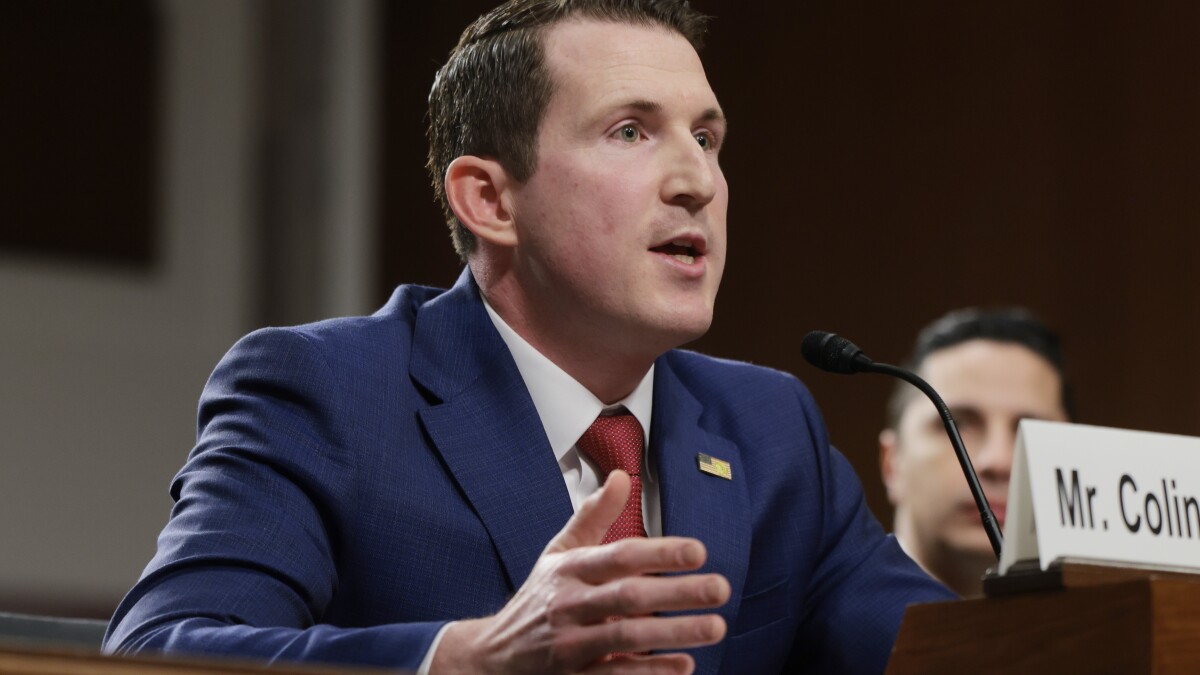
The Minneapolis shootings have galvanized public demonstrations, with crowds confronting officers and demanding accountability. Protesters and legal observers have pointed to the absence of body camera footage as emblematic of a broader transparency deficit within federal immigration enforcement. Minnesota officials have filed lawsuits challenging enforcement tactics, while local leaders have called for immediate deployment of recording devices to de-escalate tensions and restore public confidence.
From a governance perspective, the debate over body cameras intersects with broader questions about federal oversight, interagency coordination, and the role of technology in modern law enforcement. Research from institutions such as the Brookings Institution suggests that body-worn cameras, when implemented alongside clear usage policies and training standards, can contribute to improved officer behavior and reduced use-of-force incidents. However, technology alone cannot resolve structural issues related to enforcement priorities, resource allocation, and political directives.
The Minneapolis case has also reignited scrutiny of Operation Metro Surge, a large-scale deployment strategy that critics argue prioritizes speed and visibility over community engagement and procedural safeguards. Without body cameras, the operational risks of such deployments are magnified, particularly in densely populated urban environments where encounters with civilians are frequent and unpredictable.
Looking ahead, the path forward hinges on whether federal policymakers can reconcile funding commitments with enforceable mandates. Mandatory camera use, standardized training, and transparent data retention policies are increasingly viewed as prerequisites for restoring legitimacy to immigration enforcement operations. As the political debate continues, the Minneapolis killings stand as a stark illustration of the costs of delayed reform, reinforcing calls for a comprehensive national framework that aligns federal agencies with the accountability standards already expected of local police departments.
The outcome of this debate will shape not only the future of body-worn cameras in immigration enforcement but also the broader relationship between federal authorities and the communities they serve. In a climate of heightened polarization and legal scrutiny, the demand for transparency has become inseparable from the quest for public trust, placing body cameras at the center of a defining policy challenge for 2026.