The Political Landscape Ahead of the Midterms
As the 2026 midterm elections approach, warning signs for the Republican Party are becoming increasingly difficult to ignore. Political momentum, voter dissatisfaction, economic anxiety, and electoral trends are converging to create a volatile environment that could significantly reshape the balance of power in Congress. While the Senate remains a competitive battleground, the House of Representatives appears especially vulnerable, with a narrow majority and shifting public sentiment threatening Republican control.
The current political climate reflects growing unease among independent voters, young adults, and minority communities, all of whom played a pivotal role in determining the outcome of the last presidential election. Dissatisfaction with immigration policy, economic performance, and legislative gridlock has intensified scrutiny on the party in power, raising serious questions about the durability of Republican dominance.
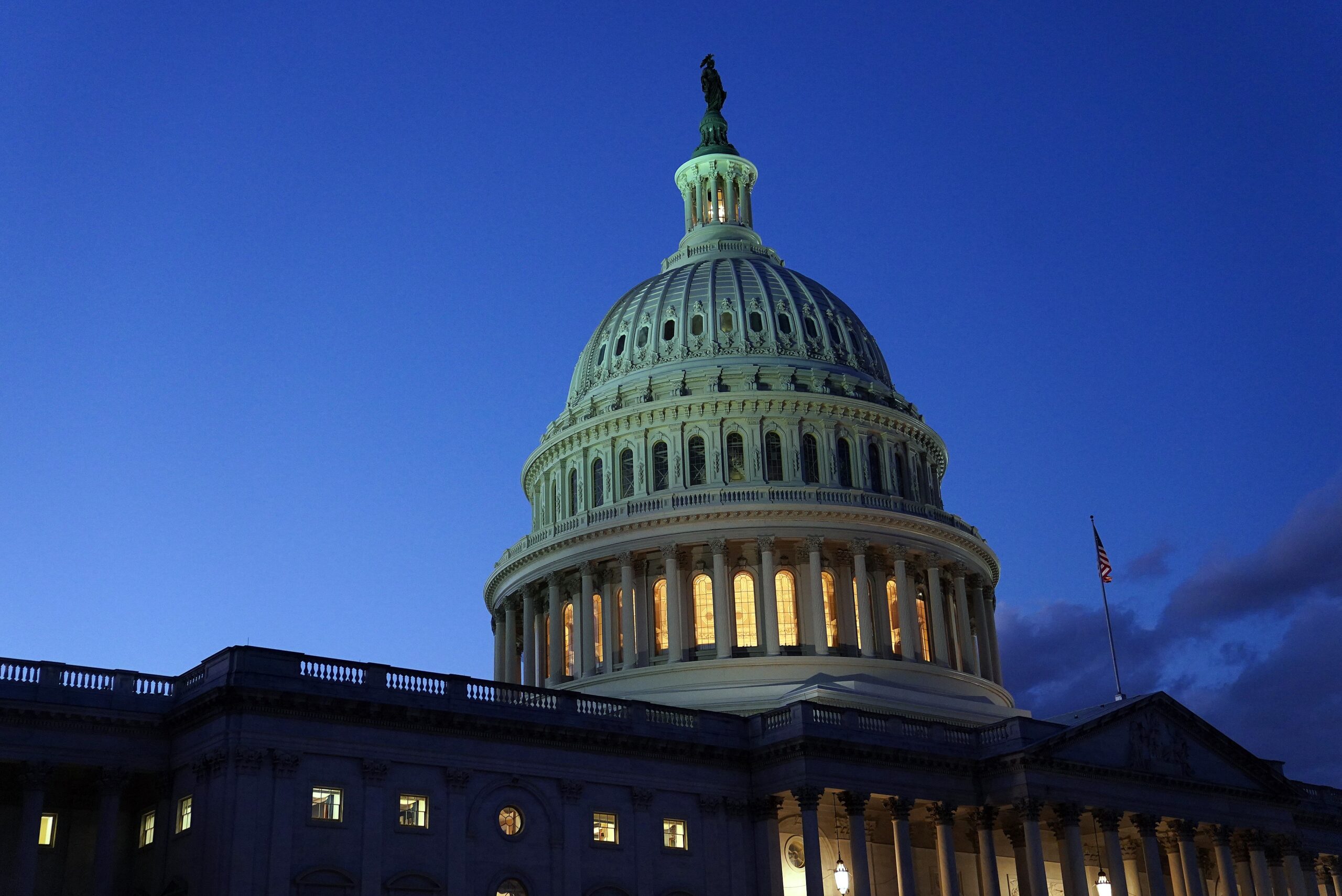
For context on the structure of congressional elections and legislative processes, detailed insights are available at https://www.congress.gov, which outlines how House and Senate control directly shapes policymaking and national governance.
Presidential Approval and Voter Discontent
One of the most powerful predictors of midterm outcomes is presidential approval. Historically, the party controlling the White House often loses congressional seats during midterms, particularly when public satisfaction dips below the 50% threshold. In the current cycle, approval ratings remain significantly underwater, amplifying vulnerabilities for Republican candidates nationwide.
Immigration enforcement, trade policy, healthcare costs, and foreign affairs have emerged as particularly divisive issues. Polling data consistently show that majorities of Americans disapprove of current immigration enforcement tactics and economic strategies, especially tariffs and regulatory rollbacks. The administration’s policy direction has increasingly alienated moderates and independents, whose voting behavior often determines control of swing districts.
The White House itself has subtly adjusted its rhetoric, signaling recognition of mounting public pressure. Official policy briefings and strategic statements can be found at https://www.whitehouse.gov, offering insights into how the administration is attempting to recalibrate its messaging to avoid electoral backlash.
This growing discontent extends beyond policy disagreements. Voters increasingly express frustration with political polarization, legislative stagnation, and perceived ethical shortcomings in Washington. Combined, these elements generate a climate where even traditionally safe districts are now at risk of political realignment.
Economic Anxiety and Its Electoral Consequences
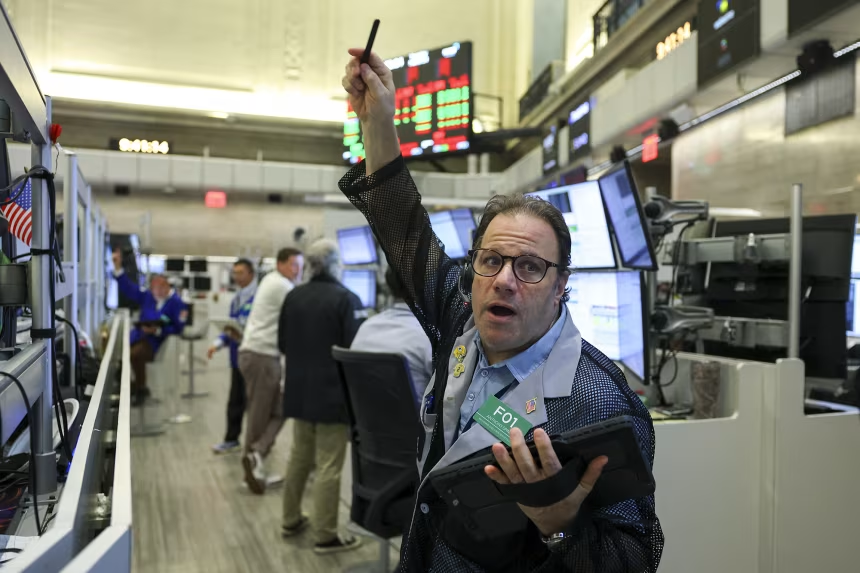
Economic concerns remain the top priority for most Americans. Rising consumer prices, healthcare expenses, housing costs, and everyday necessities dominate voter anxieties, overshadowing cultural and ideological debates. Despite modest employment growth, inflationary pressures continue to erode household purchasing power, especially among middle- and lower-income families.
Public sentiment increasingly reflects pessimism about future economic stability. Surveys indicate that a plurality of Americans expect financial conditions to deteriorate over the next year, a perception that often translates into protest votes against incumbents. Economic dissatisfaction historically fuels higher turnout among opposition voters, amplifying electoral risk for governing parties.
Detailed economic trend analysis and public opinion research on inflation, wages, and consumer confidence are published regularly by the Pew Research Center at https://www.pewresearch.org, providing broader context to the electorate’s economic frustration.
Compounding these challenges, trade disputes and tariff policies have disrupted agricultural, manufacturing, and logistics sectors, generating uncertainty among business owners and workers alike. The cumulative economic pressure reinforces voter skepticism toward current leadership and further energizes opposition campaigns.
Special Elections and Shifting Electoral Momentum
Perhaps the most striking indicator of potential upheaval is the consistent overperformance of Democratic candidates in recent special elections. Across multiple states, Democratic contenders have not only won traditionally Republican-leaning districts but have done so by margins that far exceed historical norms. These results signal an energized opposition base and weakening Republican turnout.
Special elections often serve as early-warning systems for broader electoral trends. In multiple contests, Democratic candidates have flipped districts that had previously delivered double-digit Republican victories. Such swings suggest structural shifts in voter alignment rather than isolated anomalies.
Comprehensive race ratings and nonpartisan district competitiveness analyses are published by the Cook Political Report at https://www.cookpolitical.com, offering valuable insight into the evolving congressional battlefield.
As more Republican incumbents announce retirement rather than reelection bids, vulnerability further increases. Open-seat races historically favor challengers, and the growing number of vacant districts intensifies uncertainty. Combined with demographic shifts in suburban and urban regions, these dynamics could produce substantial congressional turnover.
In this increasingly fluid political environment, both chambers of Congress are poised for fierce competition. Yet current indicators suggest that the House represents the most immediate risk for Republican control, while the Senate remains a longer-term challenge. The coming months will likely define the trajectory of legislative power in Washington and shape the nation’s political direction for years to come.