Sweeping Drug Price Reductions Reshape Medicare’s 2027 Landscape
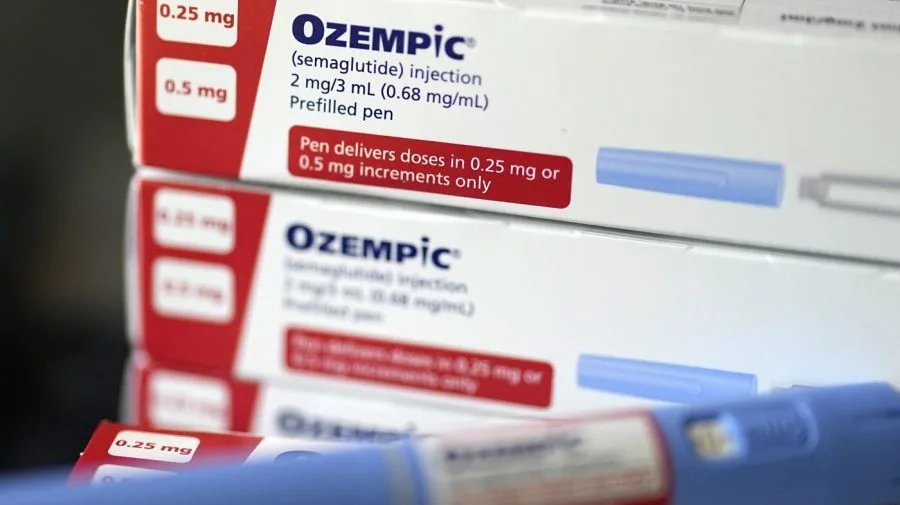
Medicare revealed a new series of drug price reductions set to take effect in 2027. This marks one of the most significant expansions of its negotiation authority since the program began. The latest agreements include a 71% discount on Ozempic, Wegovy, and Rybelsus. These drugs are widely used to treat obesity and Type 2 diabetes. They currently carry monthly list prices reaching around $1,000. These reductions are part of a government effort to lower out-of-pocket spending for over 50 million beneficiaries. These individuals depend on Medicare for prescription drug coverage. Further negotiations are now underway for additional medications. Consequently, the reform is expected to meaningfully shift long-term national healthcare expenditures.
To better understand how Medicare structures its programs, readers can explore the official resources available through Medicare.gov , where eligibility and cost-sharing options are detailed extensively.
The newly negotiated prices also cover medications used to treat asthma, breast cancer, leukemia, Huntington’s disease, and other chronic conditions with historically high treatment costs. Discounts range from 38% for Austedo to 85% for Janumet. This reflects the program’s targeted strategy to prioritize medications with the highest Medicare spending. Estimates from the Centers for Medicare & Medicaid Services suggest these new prices would have saved nearly $12 billion if active in 2024. This demonstrates the profound financial impact of the reforms.
For broader industry data on drug pricing trends, consumers and policymakers often rely on KFF, unaffiliated with Medicare. They maintain extensive research at KFF.org .
These negotiations resulted from the expansion of Medicare’s legal authority. This change now allows the program to negotiate directly with pharmaceutical companies. Medications selected for negotiation met several criteria. These include no generic competition, high national spending, and long-term market presence. By strengthening oversight and leveraging market scale, Medicare aims to reshape pricing standards. This effort addresses long-standing concerns about rising drug costs for seniors.
Obesity and Diabetes Drugs Take Center Stage in New Pricing Model
Central to the latest announcement is the substantial reduction in prices for Ozempic, Wegovy, and Rybelsus. These three medications have surged in popularity across the United States for their effectiveness in managing obesity and Type 2 diabetes. The new negotiated price is $274 per month for each of the three drugs. This represents one of the largest proportional cuts in the program’s history. While significant, the reduction differs from a separate pricing agreement previously reached between federal officials and Novo Nordisk, which had set a price of $245 per month. Industry analysts note that the discrepancy between the two pricing structures has generated questions. They focus on how manufacturers and Medicare determine value frameworks for essential therapies.
The new agreements are expected to increase national access to obesity treatments. This is particularly relevant as more Americans seek medical support for weight-related health conditions. Additional details about obesity care and related medical guidelines can be found through organizations such as the Mayo Clinic. They provide comprehensive information on obesity research and weight management treatments.
As Medicare clarifies how these price adjustments will affect cost-sharing, drug manufacturers are also preparing for shifting market dynamics. Companies involved in the negotiations have expressed ongoing concerns about federal pricing authority. They argue that mandated reductions could limit innovation. However, patients, advocacy groups, and healthcare researchers largely support the new structure. They emphasize the immediate financial relief for millions of seniors. Growing demand for obesity and diabetes treatments suggests the impact may extend far beyond Medicare beneficiaries. It could also influence negotiations in private insurance markets.
Growing Support Among Seniors as Medicare Prices Shift National Healthcare Costs
Advocacy organizations representing older adults have welcomed the latest reductions. They describe them as a historic advancement in lowering prescription drug prices. With nearly 125 million Americans aged 50 and older, the demand for affordable prescriptions remains a critical national priority. Many beneficiaries face rising costs for essential medications. Thus, these new price agreements are a major step toward long-term financial sustainability in healthcare. Additional research on aging populations and healthcare disparities is available through AARP.org , a hub for senior-focused policy and social initiatives.
As Medicare implements the changes, policymakers expect the reforms to shape future drug negotiations. The reforms could potentially expand into additional therapeutic areas. Health policy experts argue that the long-term outcome will depend on how effectively Medicare balances affordability, innovation, and patient access. Pharmaceutical companies will also need to adapt to a landscape. In this new landscape, government-negotiated pricing increasingly influences national revenue models. This shift is likely to accelerate discussions about healthcare cost transparency. There will also be discussions about insurance reform and the competitive environment surrounding high-demand medications.
With the new price agreements scheduled for 2027, Medicare beneficiaries may soon experience one of the most substantial reductions in drug costs in decades. As negotiations continue, federal health agencies aim to build a more efficient system. This system will support seniors, taxpayers, and long-term sustainability across the healthcare sector.