Critical Supplies Stranded in Key Transit Hubs
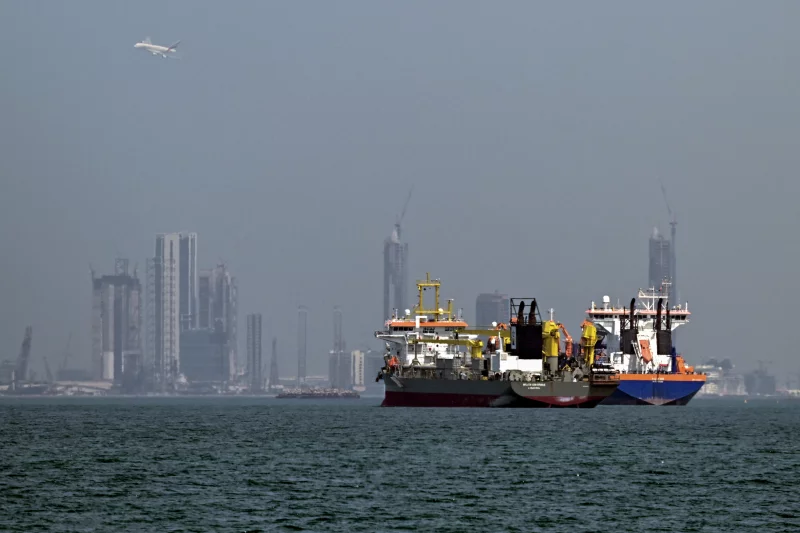
Hospitals and humanitarian clinics across multiple regions are facing mounting pressure as essential medical supplies remain stranded in major logistics hubs. One of the most significant bottlenecks is located in Dubai’s Jebel Ali Port, where shipments of therapeutic food, medicines, and emergency health materials are unable to move forward due to disruptions in global shipping routes.
The delays come at a particularly fragile moment for countries already battling severe public health crises. In Yemen, for example, clinics are struggling to cope with rising cases of malnutrition and infectious diseases, including cholera and measles. Healthcare providers report that pediatric units are exceeding capacity, with occupancy rates surpassing 120% in some facilities.
Large quantities of life-saving supplies—more than 100 tons in some cases—have been prepared and are ready for distribution but remain immobilized due to shipping restrictions. Organizations such as <a href=”https://www.msf.org”>Doctors Without Borders</a> are prioritizing the delivery of therapeutic nutrition products for children under five, yet logistical barriers continue to delay urgent interventions.
The disruption is closely linked to instability affecting the Strait of Hormuz, a vital corridor for global trade. With shipping routes constrained, not only fuel and industrial goods but also humanitarian cargo is facing significant delays.
Humanitarian Networks Under Increasing Strain
The ripple effects of these disruptions extend far beyond the Middle East. Aid organizations operating in Africa and Asia warn that clinics and emergency response centers are at risk of exhausting their inventories of essential medicines.
Humanitarian depots managed through international coordination systems are currently holding large volumes of supplies that cannot be transported to crisis zones. Groups like the <a href=”https://www.rescue.org”>International Rescue Committee</a> report that shipments intended for regions such as Sudan and Ethiopia are blocked, leaving vulnerable populations without access to critical care.
While some stored items—such as tents or non-perishable food—can withstand prolonged delays, medical treatments for malnutrition and disease have limited shelf lives. The inability to deliver these supplies in time raises the risk of expiration before they reach those in need.
Countries with limited manufacturing capacity face the greatest challenges. In places where local production of medicines is nonexistent, health systems depend entirely on imports. Organizations including <a href=”https://www.savethechildren.net”>Save the Children</a> warn that clinics may soon run out of antibiotics, malaria treatments, and intravenous fluids, forcing healthcare workers to ration care.
Medical professionals on the ground describe increasingly difficult decisions, as they must prioritize which patients receive the remaining supplies. The lack of available treatments for otherwise manageable conditions, such as respiratory infections or diarrheal diseases, threatens to significantly increase mortality rates.
Rising Costs Compound the Emergency
Beyond logistical barriers, the economic impact of the crisis is further complicating humanitarian operations. Fuel shortages linked to the disruption of oil shipments have driven transportation costs sharply higher, making it more expensive to move supplies even when routes are available.
Air transport, often used as an alternative in emergencies, has become significantly less viable. In many cases, the cost of shipping medicines by air now exceeds the value of the cargo itself, placing additional strain on already limited budgets. According to data tracked by the <a href=”https://www.worldbank.org”>World Bank</a>, rising energy prices have a cascading effect on global supply chains, increasing costs across multiple sectors.
Insurance premiums for shipping goods through high-risk areas have also surged, further discouraging transport providers from operating in affected regions. Humanitarian organizations that had strategically positioned stockpiles in global hubs like Dubai now face unexpected vulnerabilities as those same hubs become inaccessible.
The situation is unfolding alongside growing humanitarian needs worldwide, with millions already experiencing acute food insecurity. The convergence of supply chain disruptions, rising operational costs, and reduced funding is placing unprecedented pressure on global aid systems, limiting their ability to respond effectively to escalating crises.