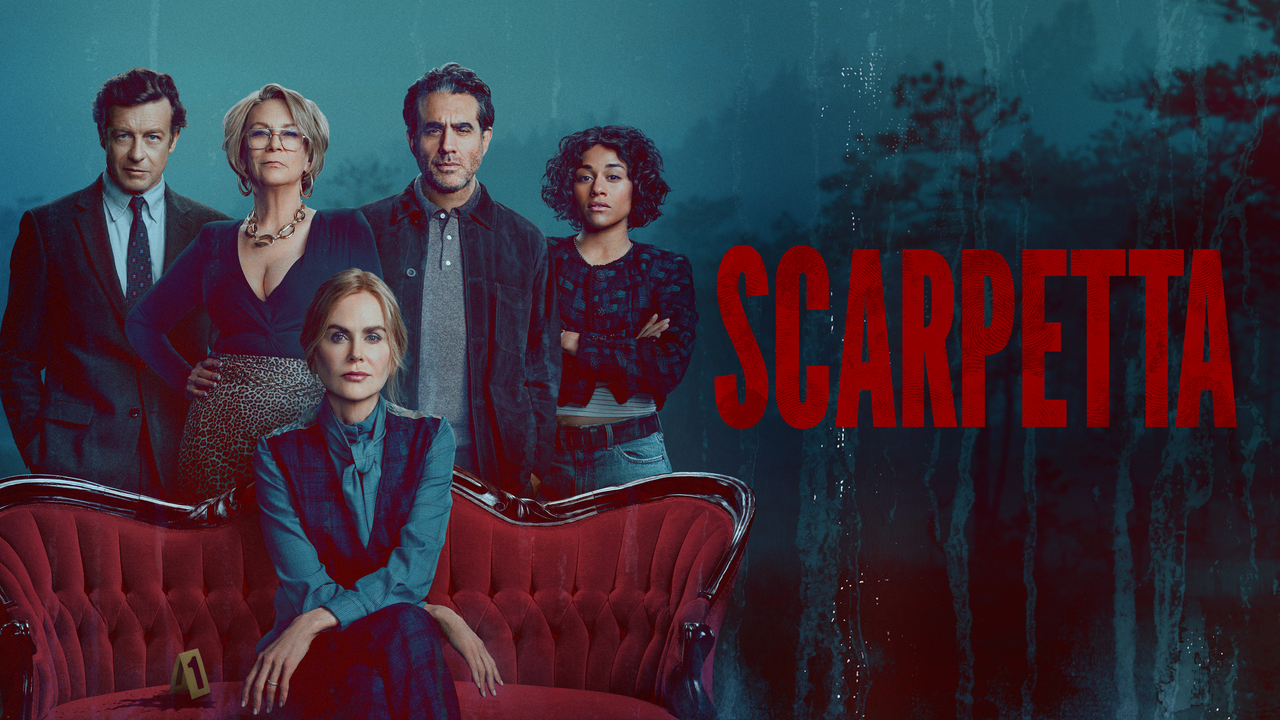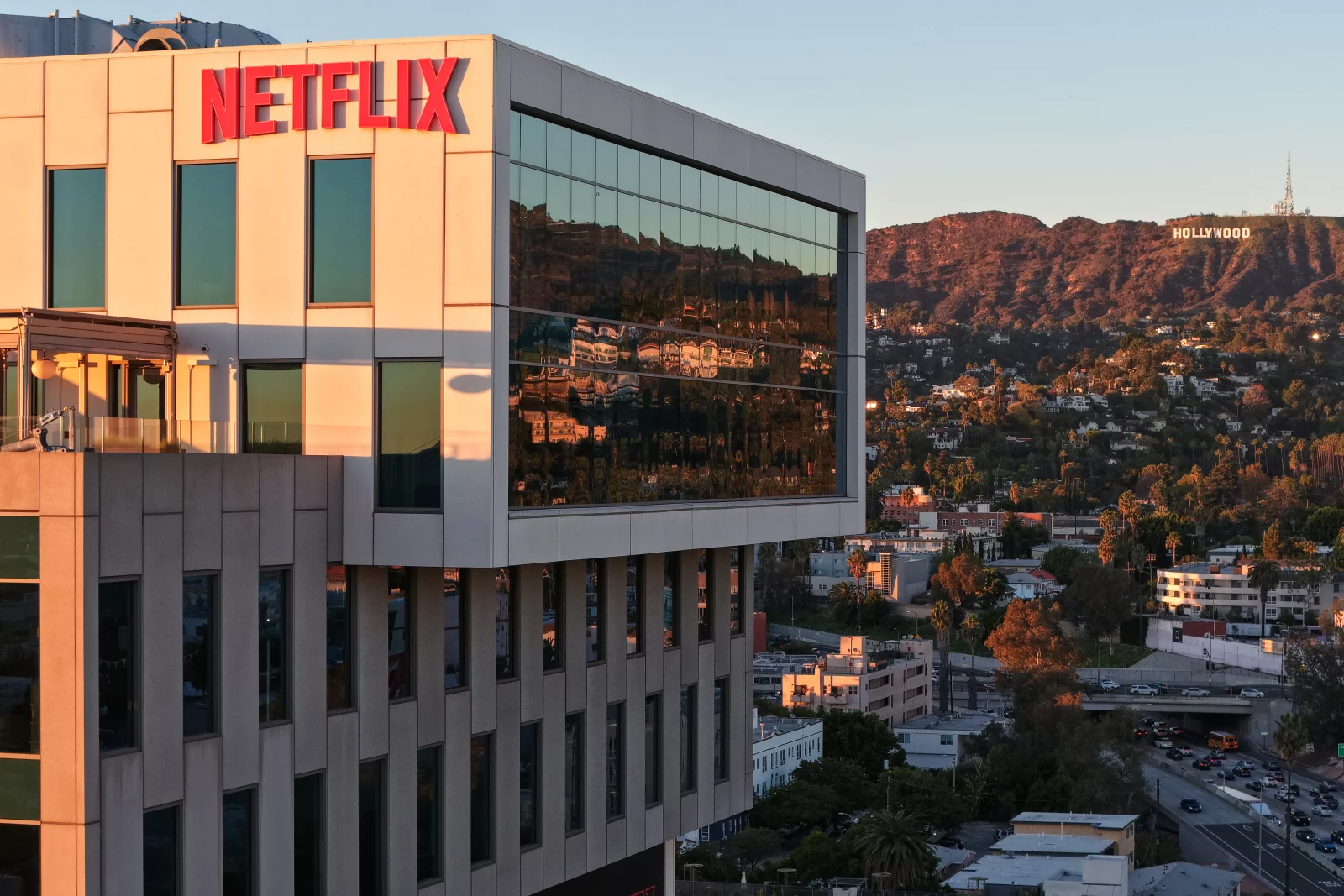
The global media industry is heading into 2026 under mounting pressure. It is shaped by accelerating consolidation, shifting audience behavior, and rising political influence over information ecosystems. What once appeared to be a slow structural decline across journalism, film, and television is now converging into a decisive moment. This could redefine how content is produced, distributed, and trusted. From Hollywood studios to legacy newsrooms, executives and creators alike face a new reality. In this new reality, fewer owners wield greater power over culture, information, and public discourse.
At the center of this transformation is an unprecedented concentration of assets. Streaming platforms, film libraries, and major news brands are increasingly controlled by a narrow group of corporate players. Analysts tracking the sector through platforms such as The Federal Communications Commission have long warned that media consolidation reshapes not only competition but editorial independence. This creates friction between profit incentives and the public’s demand for credible journalism and diverse storytelling.
Consolidation reshapes power across streaming, film, and news
As media companies chase scale to survive rising production costs and subscription fatigue, mega-deals now threaten to redefine the balance between creators, consumers, and distributors. A single acquisition can instantly place hundreds of millions of subscriptions, decades of intellectual property, and influential news operations under one corporate roof. This level of concentration raises fundamental questions about pricing power, creative freedom, and labor conditions. The industry is already grappling with declining theatrical attendance and newsroom layoffs.
Streaming services have emerged as the dominant gatekeepers of film and television. They increasingly dictate release windows, compensation models, and content strategies. According to market data tracked by U.S. Securities and Exchange Commission filings, subscription prices across premium platforms have risen steadily. Some top-tier plans now exceed $24.99 per month, placing additional strain on households while boosting margins for platform owners.
For the film industry, the challenge extends beyond ownership. Theatrical releases struggle to compete with home viewing experiences powered by high-end televisions and exclusive streaming premieres. Studios must now justify why audiences should leave their homes at all. This is especially challenging when original storytelling increasingly migrates to episodic formats optimized for streaming engagement rather than box office performance.
Journalism under pressure from ownership and political influence
Traditional journalism enters 2026 facing a crisis not only of revenue but of public trust. News organizations once seen as institutional pillars now operate within corporate structures. These structures have broader business interests that may conflict with adversarial reporting. As ownership shifts, editorial strategies are being redefined. Often, vague promises of “winning back audiences” are made without transparent explanations of what failed. How credibility will be restored often remains unexplained.
Media watchdogs and academic researchers associated with institutions such as Columbia Journalism School have repeatedly highlighted how ownership influence can subtly reshape coverage priorities, staffing decisions, and story selection. These shifts often occur behind closed doors, leaving audiences uncertain. Whether changes reflect journalistic improvement or ideological recalibration remains a crucial concern.
Political rhetoric further complicates this landscape. Increasingly explicit language around race, immigration, and national identity now tests newsroom standards. Consistent, principled coverage is challenged. When inflammatory statements fail to generate sustained scrutiny, critics argue. Journalism risks normalizing rhetoric that once would have prompted deeper investigation and accountability.
Audiences, funding, and the fight for media independence
Despite these pressures, audiences retain more influence than they often realize. Viewing choices, subscription decisions, and direct financial support increasingly determine which outlets survive. Public media, long supported by a mix of federal funding and listener contributions, has already begun adapting. It increasingly relies on philanthropy and community engagement.
Organizations supported by groups such as the Knight Foundation have stepped in to stabilize local journalism and public broadcasting. This is especially true in underserved regions. However, these efforts cannot fully replace the symbolic and practical role of broad-based public funding. Historically, such funding ensured that media institutions served citizens rather than shareholders alone.
As 2026 unfolds, the media industry faces a defining test. Consolidation, political pressure, and economic strain threaten to narrow the range of voices shaping public discourse. Yet the same forces also present an opportunity for audiences. They can assert their values through sustained engagement. Whether journalism, film, and entertainment emerge more resilient or more constrained will depend on various factors. These include the choices of executives and regulators, as well as the collective choices of the public itself.