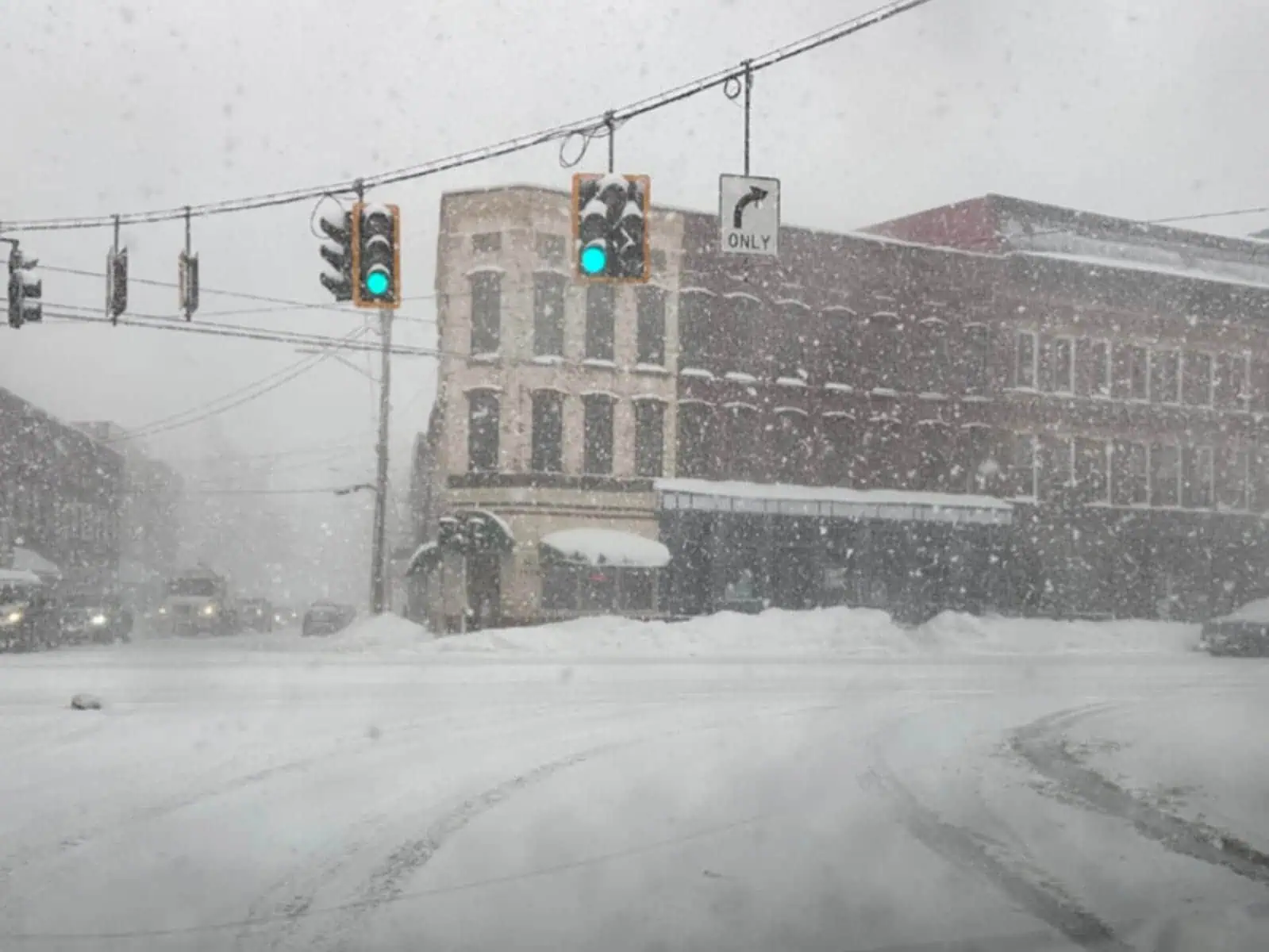
An immense winter storm is sweeping across the eastern two-thirds of the United States, bringing a dangerous combination of heavy snow, freezing rain, sleet, and extreme cold that is disrupting daily life for tens of millions of people. From New Mexico to New England, communities are grappling with prolonged power outages, widespread transportation shutdowns, and hazardous road conditions. The scale of the storm is placing intense pressure on local infrastructure, emergency services, and energy systems at a time when temperatures are plunging well below seasonal norms.
By Sunday evening, nearly 1,000,000 customers across the South were without electricity, with Tennessee, Mississippi, Louisiana, and Texas reporting some of the most severe impacts. In several states, ice accumulation of up to one inch has weighed down power lines and trees, causing extensive damage and complicating restoration efforts. Utility crews are working around the clock, but officials warn that power restoration could take days in the hardest-hit areas due to blocked roads and ongoing freezing conditions. The Federal Emergency Management Agency has been coordinating with state governments to mobilize resources and support recovery operations through fema.gov.
Widespread Power Failures and Infrastructure Strain
The storm has revealed the vulnerability of regional power grids to prolonged ice and snow events. In Kentucky alone, more than 75,000 customers were without electricity as ice buildup exceeded earlier forecasts. In Mississippi, outages surpassed 150,000 customers, while Louisiana reported more than 140,000 households and businesses in the dark. In Tennessee, outages climbed beyond 316,000 customers, with officials cautioning that freezing rain could further damage transmission lines overnight.
Emergency declarations have been issued in multiple states, activating National Guard units and unlocking disaster response funding. Alabama activated more than 350 service members to assist with debris removal and emergency logistics. Arkansas deployed at least 170 Guard members to support state police and local authorities. In Connecticut and Massachusetts, governors enacted severe cold weather protocols to ensure shelter access for vulnerable populations.
Energy officials are also warning residents to conserve electricity to reduce strain on the grid. In Indiana, the electric grid operator declared a conservation alert, citing the risk of planned outages if demand spikes as temperatures fall below zero. The Department of Energy is monitoring fuel supplies and grid stability nationwide through energy.gov as extreme cold increases heating demand across the Midwest and Northeast.
Air Travel Chaos and Ground Transportation Shutdowns
The storm has severely disrupted air travel, compounding holiday and business travel challenges. By Sunday evening, more than 11,000 flights had been canceled nationwide, with an additional 4,700 flights delayed. Major hubs such as Washington, D.C., Baltimore, New York City, and Boston saw near-total shutdowns, stranding travelers and creating cascading delays across the national airspace system.
All outbound flights from Reagan National Airport were canceled, while most departures from Dulles International Airport were grounded. Hundreds of flights were also canceled at Baltimore/Washington International Thurgood Marshall Airport. In New Jersey, public transit systems suspended bus and light rail services, while state offices were ordered closed. New York City announced remote classes for the nation’s largest school district, and SEPTA suspended bus and light rail operations in Philadelphia.
Transportation officials across multiple states urged residents to stay off the roads unless absolutely necessary. Missouri reported more than 143 stranded drivers and over 160 crashes by Sunday morning. In Illinois, eight snowplows were involved in collisions, reducing the state’s ability to clear highways. Road treatment crews have deployed millions of gallons of brine to prevent ice formation, but subzero temperatures are limiting its effectiveness. Travelers are being advised to monitor updates from the Department of Transportation via transportation.gov.
State Responses and Public Safety Measures
Governors across the storm’s path have issued emergency declarations, travel restrictions, and shelter activation orders. In Massachusetts, a snow emergency and citywide parking ban were enacted as snowfall rates reached up to four inches per hour in some areas. Vermont opened multiple extreme cold weather shelters as wind chills dropped toward minus 25 degrees. New Hampshire braced for temperatures as low as minus 30 degrees and wind gusts nearing 100 miles per hour, prompting warnings for hikers and outdoor workers.
In the South, ice has proven especially destructive. South Carolina forecast ice thickness between 0.5 and 1 inches in parts of the Upstate, while Tennessee and Kentucky reported widespread downed trees. In Texas, at least one death has been confirmed due to extreme cold, and officials warned that refreezing overnight would worsen road conditions. Schools across the region announced closures, and early voting in local elections was postponed in Houston due to hazardous travel conditions.
Public health officials are emphasizing frostbite and hypothermia risks as wind chills plunge into dangerous territory. Emergency physicians in Ohio warned that exposed skin can develop frostbite in under 30 minutes when wind chills approach zero. Warming centers have been opened across multiple states to provide refuge for unhoused residents and those without heat.
As the storm continues its slow march eastward, forecasters expect additional snowfall and prolonged cold to extend impacts well into the coming week. Officials are urging residents to remain indoors, conserve energy, and check on neighbors, particularly older adults and those with medical vulnerabilities. With infrastructure strained and recovery efforts ongoing, the storm is shaping up to be one of the most disruptive winter events in years, underscoring the growing challenges posed by extreme weather patterns across the United States.