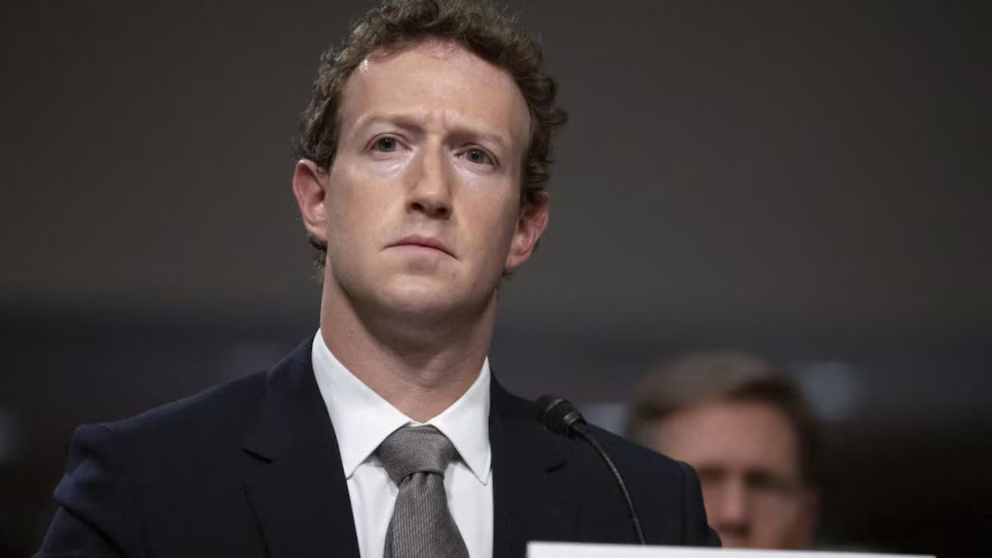
The courtroom spotlight is firmly on Mark Zuckerberg, who is set to testify before a Los Angeles jury in one of the most consequential technology trials in years. The case targets Meta Platforms and other tech giants over allegations that social media platforms were intentionally engineered to be addictive, particularly for young users. The outcome could reshape how courts evaluate digital products and potentially alter the legal landscape governing online platforms across the United States.
The trial centers on claims that apps such as Instagram and YouTube were designed with features meant to maximize engagement at the expense of user well-being. Attorneys representing families argue that these platforms function like “digital casinos,” leveraging psychological vulnerabilities to keep teens scrolling for longer periods. The proceedings are unfolding without livestream coverage, increasing public anticipation as the tech industry braces for potential precedent-setting consequences.
A Test Case for Social Media Liability
At the heart of the case lies a critical legal question: can social media platforms be treated as defective products under U.S. liability law? Plaintiffs argue that platform mechanics such as infinite scroll, algorithmic recommendations, auto-play video, and notification loops were intentionally built to foster compulsive use. Lawyers representing families claim internal research shows awareness of potential harm, especially among adolescents, yet product strategies continued prioritizing engagement growth.
The lawsuit stems from the experience of a young California woman identified in court documents as KGM, who alleges she developed compulsive online behaviors at an early age. According to testimony presented in court, her prolonged exposure to social media allegedly coincided with worsening depression and severe emotional distress. Jurors are expected to hear extended testimony from her as the trial continues, a phase that may prove pivotal in shaping the jury’s interpretation of responsibility and causation.
While the lawsuit originally included multiple defendants, settlements by TikTok and Snap Inc. narrowed the trial’s focus. The remaining defendants, including Meta and Google, now face heightened scrutiny as the proceedings move forward.
Silicon Valley’s Legal Shield Under Pressure
For decades, technology companies have relied on Section 230 to avoid liability for user-generated content. The statute has long served as a cornerstone of internet law, shielding platforms from lawsuits tied to content posted by users. However, plaintiffs in this case are pursuing a different strategy by framing social media apps as engineered products rather than neutral platforms.
This legal pivot could have sweeping implications for Silicon Valley. If jurors accept the argument that social media platforms function like consumer products designed with foreseeable risks, the ruling could weaken traditional defenses that have protected tech companies for decades. Legal experts note that the case may redefine how courts balance innovation, free speech, and consumer safety in the digital era.
The trial is also closely watched because of its potential ripple effects across ongoing litigation. Thousands of similar lawsuits filed by families and school districts are awaiting signals from this case. A verdict favoring plaintiffs could accelerate settlements or spark regulatory momentum, while a defense victory could reinforce existing legal protections for tech companies.
Emotional Stakes and Industry-Wide Consequences
Beyond its legal complexity, the trial carries profound emotional weight. Families attending the proceedings have shared stories of personal loss and trauma they attribute to harmful online experiences. Their presence underscores the broader societal debate surrounding youth mental health, online safety, and the responsibilities of technology companies.
A verdict against Meta could result in substantial financial damages and force platform-level changes, including redesigned features or new safeguards for younger users. Such an outcome could also influence legislative efforts already underway in several states aiming to impose stricter child-safety requirements on digital platforms.
Conversely, if jurors side with the tech companies, it may reinforce the industry’s longstanding position that social media reflects broader societal challenges rather than serving as a primary cause of mental health struggles. Even so, the public scrutiny generated by the trial is likely to fuel continued debate over regulation, platform accountability, and the evolving role of social media in modern life.
As Zuckerberg prepares to testify, the trial stands as a defining moment for the technology sector. Its outcome may not only determine liability in this case but also shape how courts, lawmakers, and the public evaluate the power and responsibility of social media platforms in the years ahead.