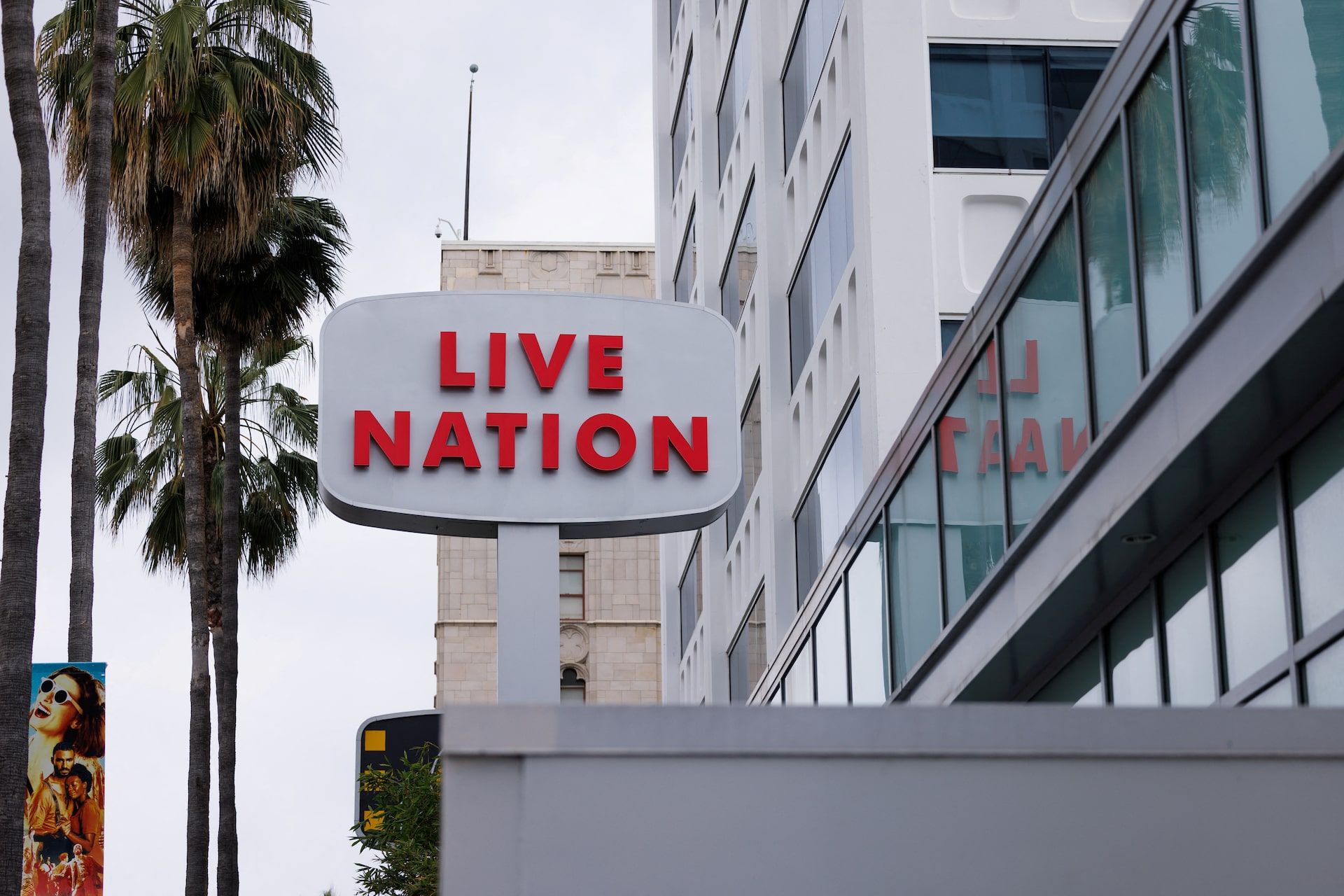
Live Nation has reportedly reached a settlement with the U.S. Department of Justice in a major antitrust lawsuit that challenged the company’s dominance in the live entertainment industry. The case, which was being heard in federal court in New York City, centered on allegations that the concert promotion giant used its control of ticketing, venues, and artist management to limit competition.
The trial began recently and was expected to examine whether the company’s business structure — particularly its relationship with its ticketing subsidiary Ticketmaster — created unfair advantages that harmed competitors, musicians, and concertgoers. Although details of the settlement have not yet been fully disclosed, the agreement could mark a significant development in a case that has drawn national attention to the economics of live music and ticket sales.
Information about antitrust enforcement and competition law in the United States is available through the <a href=”https://www.justice.gov/atr”>U.S. Department of Justice Antitrust Division</a>, which oversees federal investigations into monopolistic practices.
Antitrust Lawsuit Targeted Dominance in Concert Promotion and Ticketing
The federal lawsuit was filed in 2024 by the Justice Department along with the District of Columbia and 39 state attorneys general. The complaint argued that Live Nation had consolidated control over several critical aspects of the live entertainment market, including concert promotion, venue operations, artist management, and ticket distribution.
Regulators claimed that the company used this integrated structure to pressure venues into working exclusively with its ticketing services and to discourage competitors from entering the marketplace. The lawsuit also alleged that such practices limited consumer choice and contributed to higher ticket prices.
Live Nation has consistently rejected those accusations, maintaining that the live event marketplace remains highly competitive and that numerous companies offer ticketing and promotion services across the country.
Ticketing systems used by major venues, including platforms such as <a href=”https://www.ticketmaster.com”>Ticketmaster</a>, play a central role in the industry by connecting performers, venues, and audiences.
The Case Could Reshape the Live Music Industry
The antitrust case drew widespread attention from artists, venue operators, and policymakers who have long debated the influence of Live Nation in the global concert business. The company became a dominant force in the industry after its merger with Ticketmaster in 2010, creating one of the largest entertainment companies in the world.
Critics argue that the combined company gained extraordinary control over the concert ecosystem, while supporters say the merger helped streamline event promotion and ticket distribution.
Industry analysts have noted that any regulatory action affecting Live Nation could have far-reaching consequences for how concerts are promoted and tickets are sold. Major artists and promoters rely on large-scale ticketing infrastructure and venue networks to organize tours that span multiple cities and countries.
Research on market concentration and competition policy in the entertainment industry is often analyzed by economic policy organizations such as the <a href=”https://www.brookings.edu”>Brookings Institution</a>, which studies the effects of consolidation in major industries.
Settlement Comes Amid Broader Scrutiny of Ticket Sales
The settlement also arrives during a period of growing public frustration over ticket pricing and availability. High-profile concert tours in recent years have sparked criticism about service fees, dynamic pricing models, and limited access to tickets during high-demand events.
Government agencies and lawmakers have increasingly examined whether existing competition laws are sufficient to regulate digital ticket marketplaces and prevent anticompetitive behavior.
Federal consumer protection efforts related to ticketing markets and online commerce are frequently monitored by the <a href=”https://www.ftc.gov”>Federal Trade Commission</a>, which oversees policies affecting fair competition and consumer rights.
While the full terms of the reported agreement have not yet been publicly detailed, the settlement could influence how large entertainment companies structure their businesses in the future. As regulators continue to examine the balance between market efficiency and competition, the outcome of the case may shape the evolving landscape of the global live music industry.