Legal Challenge Targets Name Change of National Cultural Landmark
A new legal battle in Washington, D.C. is placing national attention on the future identity of one of the country’s most prominent cultural institutions. Representative Joyce Beatty has filed a motion in federal court seeking to require the Trump administration to restore the official name of the John F. Kennedy Center for the Performing Arts.
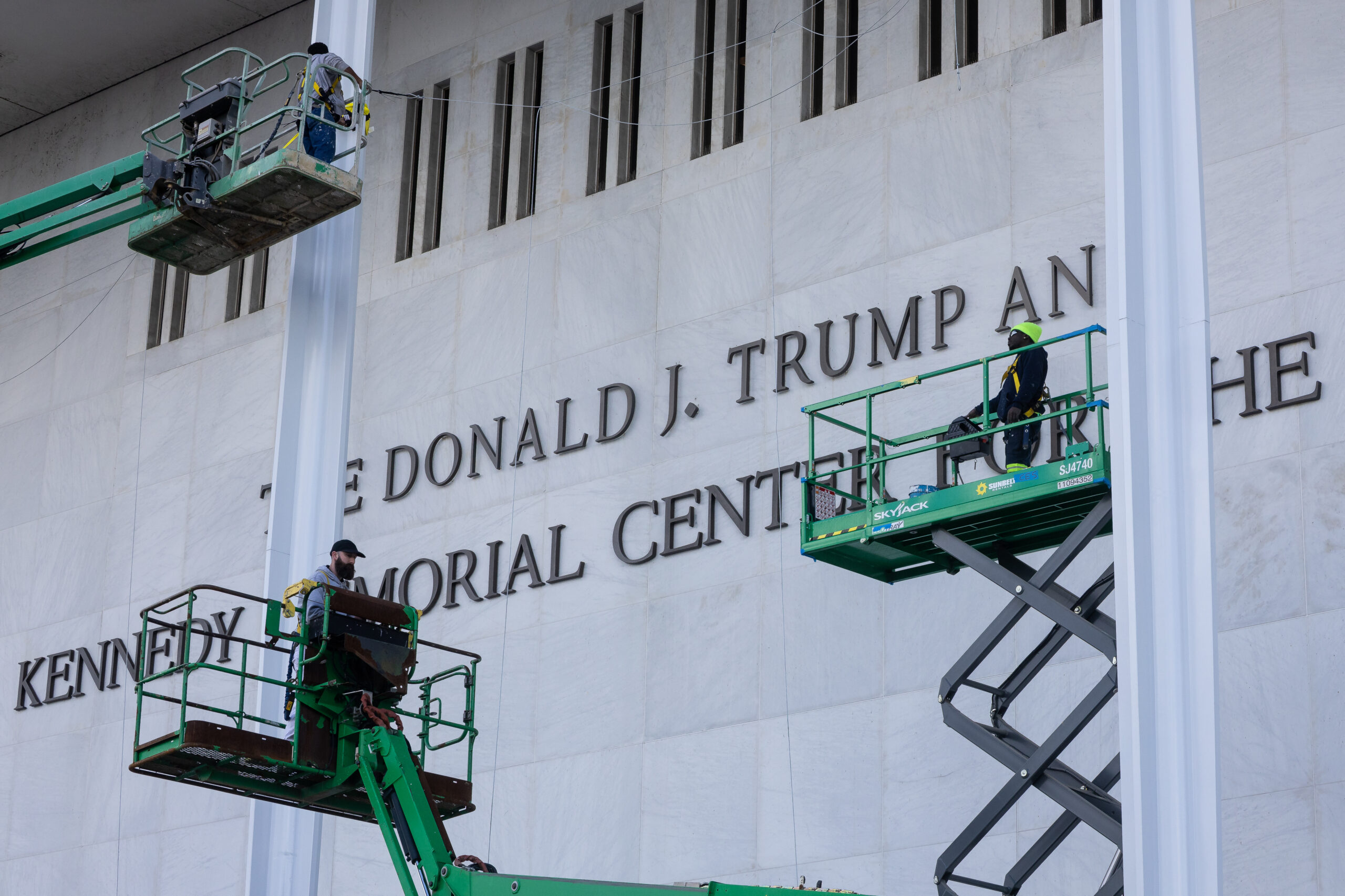
The lawsuit challenges the decision to rebrand the venue as the “Trump-Kennedy Center,” arguing that such a move exceeds executive authority and conflicts with federal law. According to the legal filing, Congress formally established the institution in 1964 as the nation’s official memorial to John F. Kennedy, and any renaming would require legislative approval.
The case raises broader constitutional questions regarding the limits of executive power and the governance of federally designated cultural landmarks. More information about federal legislative authority can be explored through the United States Congress, which oversees laws governing national institutions.
Political and Cultural Fallout Intensifies
The controversy surrounding the name change has triggered reactions across the arts community and political landscape. Several high-profile artists, including Philip Glass and Stephen Schwartz, have withdrawn planned performances in response to the decision.
The dispute has also affected institutional partnerships. The Washington National Opera ended its long-standing association with the venue following a decline in ticket sales, underscoring the economic and reputational impact of the controversy.
Critics argue that the renaming represents an unprecedented politicization of a national arts institution, while supporters of the administration maintain that governance decisions fall within the authority of the board overseeing the center. Cultural policy debates like this are often analyzed by organizations such as the National Endowment for the Arts, which examines the role of government in supporting and regulating artistic institutions.
Broader Legal Disputes Add Pressure on the Institution
The naming dispute is unfolding alongside additional legal challenges involving the Kennedy Center’s future. A coalition of architecture and cultural organizations has filed a separate lawsuit opposing planned renovations and a temporary closure of the complex, arguing that such actions must comply with historic preservation laws.
These overlapping legal battles have increased scrutiny on the governance and long-term direction of the institution. Observers note that decisions affecting nationally significant landmarks often require coordination between multiple branches of government, including oversight from agencies such as the National Park Service, which plays a role in preserving historic sites.
As the case moves through the courts, its outcome could set an important precedent regarding federal authority, cultural heritage, and the limits of administrative action. The decision may ultimately determine not only the official name of the Kennedy Center but also how similar institutions are managed in the future.