LaGuardia Plane Crash Investigation Highlights Air Traffic Control Staffing Concerns and System Failures After Fatal Runway Collision
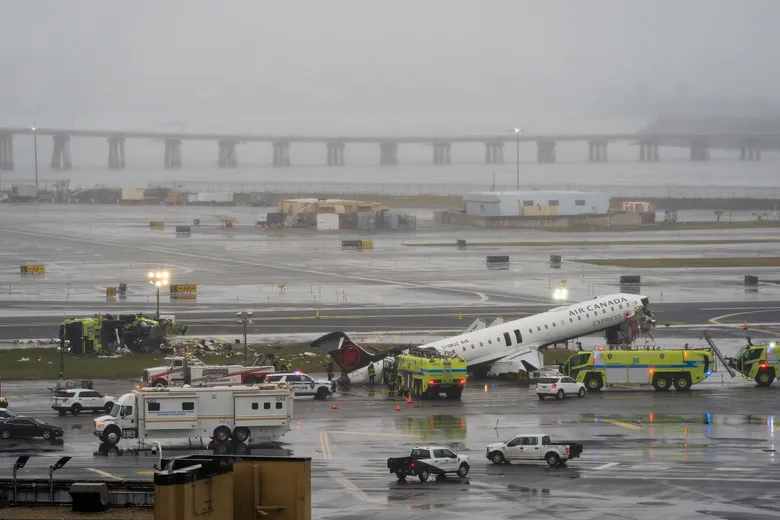
The investigation into the fatal runway collision at LaGuardia Airport is increasingly focused on systemic challenges within air traffic control operations, particularly staffing procedures and workload distribution during overnight shifts. The crash, which involved an Air Canada regional aircraft and a ground vehicle, resulted in the deaths of two pilots and raised new questions about safety protocols at one of the busiest airports in the United States.
Officials from the National Transportation Safety Board (NTSB) have emphasized that the investigation remains ongoing, but early findings point to operational complexities rather than individual error. The incident has renewed scrutiny of how air traffic control responsibilities are assigned, especially during periods of reduced staffing.
Air Traffic Control Workload Under Scrutiny
According to preliminary findings, only two controllers were present in the tower at the time of the crash, with at least one managing multiple roles simultaneously. This practice, while not uncommon during late-night shifts, is now under review given the high traffic volume and operational demands at LaGuardia.
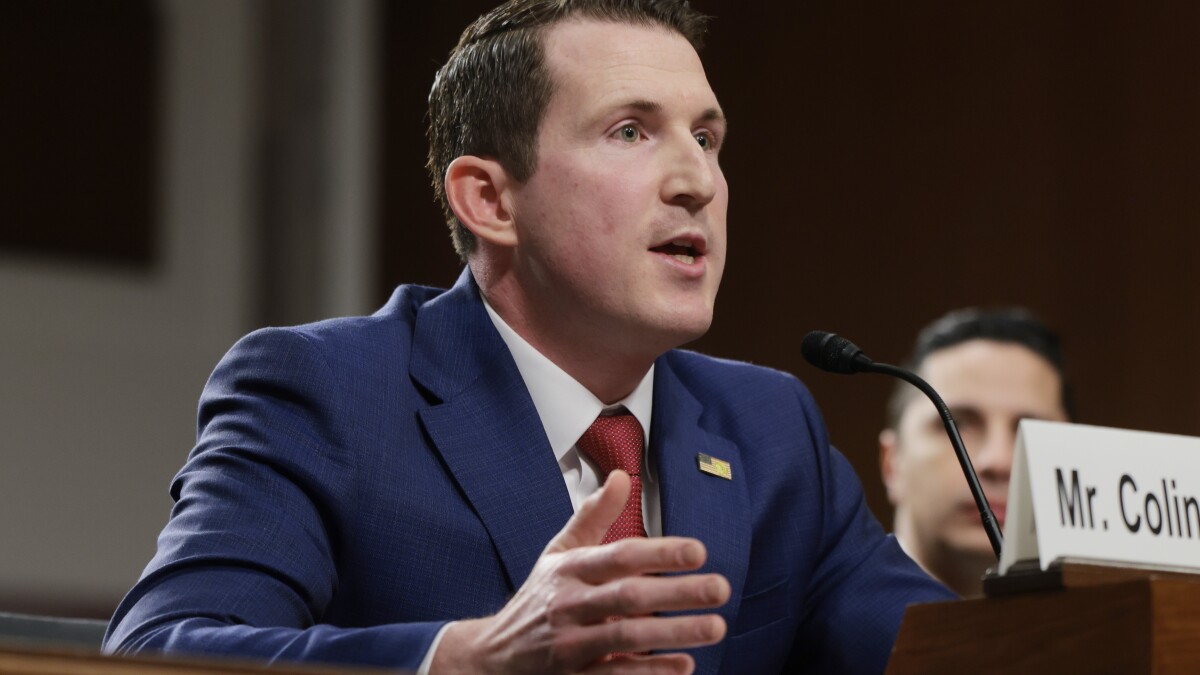
NTSB Chair Jennifer Homendy highlighted that such workload conditions have been a longstanding concern within the aviation safety community. Controllers are typically assigned distinct responsibilities, including managing runway traffic, coordinating ground movements, and overseeing overall safety operations. In this case, overlapping duties may have complicated communication and response timing.
Aviation analysts note that even well-trained professionals can face challenges when tasked with multiple high-stakes responsibilities simultaneously. Coverage and safety guidelines from institutions like the <a href=”https://www.faa.gov”>Federal Aviation Administration</a> and global standards referenced by the <a href=”https://www.icao.int”>International Civil Aviation Organization</a> stress the importance of clear role separation to maintain operational safety.
Final Moments Reveal Communication and System Gaps
Investigators have reconstructed the final minutes before impact using cockpit voice recordings and tower communications. As the aircraft approached landing, routine procedures appeared to be followed, including completion of the landing checklist and standard descent alerts.
However, a critical breakdown occurred when communications between ground vehicles and the control tower overlapped, leading to a partially interrupted transmission. At the same time, a fire truck responding to another situation was granted permission to cross the runway.
Despite subsequent instructions from controllers to stop, the vehicle continued moving. Compounding the issue, the truck was not equipped with a functioning transponder, limiting its visibility within tracking systems. The airport’s surface detection system, designed to alert controllers to potential conflicts, did not generate a warning in this instance.
Technical insights and aviation safety discussions published on platforms such as <a href=”https://www.flightglobal.com”>FlightGlobal</a> and <a href=”https://www.ainonline.com”>AIN Online</a> have frequently highlighted the importance of reliable tracking systems and redundancy layers in preventing runway incursions.
Broader Safety Questions and Industry Implications
The crash has reignited broader concerns about fatigue, staffing levels, and infrastructure resilience across the aviation sector. Overnight shifts, often referred to as midnight shifts, have historically been linked to increased fatigue risks, which can affect performance even in highly controlled environments.
Transportation officials have indicated that staffing levels at LaGuardia were near target levels, but the incident suggests that headcount alone may not fully address operational complexity. Training, shift structure, and real-time workload management are now likely to be key areas of focus as the investigation progresses.
The role of the Federal Aviation Administration will be central in reviewing current procedures and determining whether adjustments are needed to prevent similar incidents. Meanwhile, the aviation community is closely monitoring developments as investigators work to identify the combination of factors that led to the crash.
As the inquiry continues, authorities stress that aviation safety relies on multiple overlapping safeguards. When those layers fail simultaneously, even briefly, the consequences can be severe. The findings from this case are expected to influence future policies, training standards, and technology upgrades aimed at strengthening runway safety nationwide.