Across the United States, schools are tightening rules on smartphone use, and Kentucky has emerged as one of the states leading a major shift toward distraction-free classrooms. With more than 30 states now limiting cellphone use during school hours, Kentucky’s statewide requirement for phone-free public school classes has become a key case study in how such bans work in practice.
Districts across the state have been given flexibility in implementing the policy, resulting in a wide range of approaches. Some schools collect devices at the start of each class, while others allow limited access during lunch. In Jefferson County, which includes Louisville, officials adopted a strict “bell-to-bell” rule, keeping students off their phones from the moment they enter school until dismissal.
At one magnet middle and high school in Louisville, early results highlight both the promise and the complications of enforcing a full-day cellphone ban.
Increased Engagement and Classroom Interaction
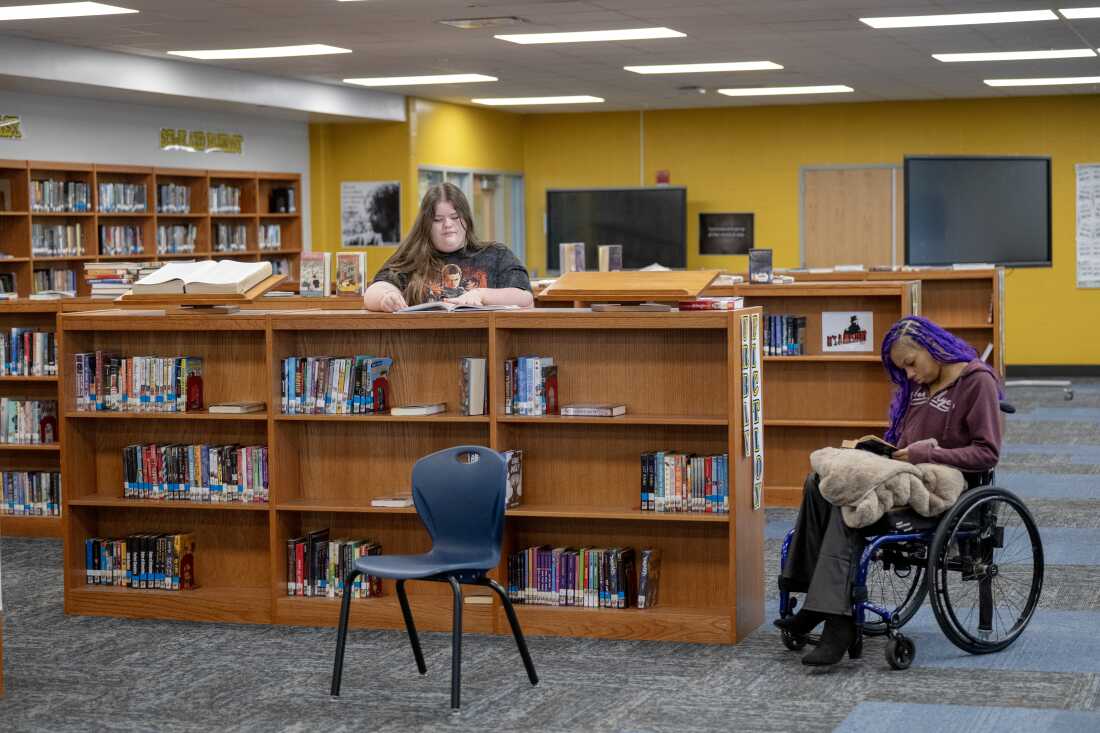
School leaders say one of the most noticeable changes since implementing the ban has been a visible increase in student engagement. Teachers report more participation, improved discussions, and stronger interactions between students and staff. Classrooms that once struggled with attention issues now feel more active, with students contributing more frequently to lessons.
Administrators say the change has extended beyond academics. Hallways and common areas have become more social spaces, with students talking more and relying less on screens for entertainment. Even cafeterias have seen livelier conversations, reflecting a shift in how students interact during unstructured time.
Educators supporting the policy argue that limiting phone access helps restore focus and reduces digital distractions that can fragment attention spans. Research on student productivity and attention suggests that removing phones during instruction can improve comprehension and retention, particularly among younger students.
Still, school leaders acknowledge that positive outcomes come with resistance. Many students view their phones as an essential part of daily life, making compliance an ongoing challenge.
Students Push Back and Find Workarounds
Despite the intended benefits, enforcement has proven difficult. Students have quickly developed strategies to get around restrictions, highlighting the limits of even the strictest policies.
Some students bring spare devices or older phones to place in locked storage pouches, keeping their primary phone accessible throughout the day. Others claim they do not own a phone to avoid compliance. In some cases, students have physically tampered with storage pouches designed to secure devices during school hours.
The rise of these workarounds has created a cat-and-mouse dynamic between administrators and students. Schools that invested in specialized phone-locking pouches hoped to simplify enforcement, but the reality has shown that determined students often adapt quickly.
For older students nearing graduation, resistance is partly philosophical. Many argue that they should be trusted with personal responsibility, especially as they prepare for college or careers. This tension has sparked broader discussions about autonomy, maturity, and how schools should balance discipline with independence.
Disciplinary measures, including phone confiscation and parental contact, are in place but have not fully eliminated noncompliance. Some students believe the consequences are too mild to deter rule-breaking, raising questions about how schools can enforce bans consistently without escalating punishments.
A National Trend With Uncertain Long-Term Outcomes
Kentucky’s experience reflects a broader national debate over how to manage technology in education. As districts experiment with stricter rules, policymakers are watching closely to determine whether bans lead to measurable academic improvements.
Supporters argue that cellphone restrictions restore attention and create healthier school environments, particularly as concerns grow over social media’s impact on mental health and learning. They point to increased participation and stronger classroom relationships as early indicators that phone-free policies can be effective.
Critics, however, caution that bans alone may not solve deeper challenges. They argue that schools must also teach digital literacy and responsible technology use rather than relying solely on restrictions. Others question whether enforcement disparities between schools could widen inequities if policies are not applied consistently.
There is also ongoing debate about how bans affect student safety and communication. Some parents worry about losing direct access to their children during the school day, while administrators emphasize that emergency protocols remain in place through school communication systems.
What remains clear is that cellphone bans are reshaping the modern classroom. Early evidence suggests that removing phones can improve focus and interaction, but resistance and adaptation from students reveal the complexity of implementing sweeping technology rules.
As more states consider similar policies, Kentucky’s experience offers a glimpse into the future of phone-free education — one where engagement may rise, but enforcement challenges remain an unavoidable reality.