A Transforming Ceremony Amid Leadership Shifts
The Kennedy Center Honors, one of Washington’s most anticipated cultural celebrations, will present a dramatically transformed edition this year. Traditionally known as a glamorous gathering of entertainment icons, political leaders and global cultural figures, the event has long been recognized for its grand tributes and iconic performances. As the 48th annual celebration approaches, honorees Sylvester Stallone, George Strait, the legendary rock band KISS, Gloria Gaynor and Michael Crawford will be celebrated in a setting that differs significantly from previous ceremonies. The gala will be broadcast on December 23, continuing its tradition of reaching national audiences.
Significant organizational changes have reshaped this year’s ceremony after leadership shifts earlier in the year. With the departure of top executives, including the center’s president and board chair, the institution has undergone months of restructuring that have affected the production, planning and artistic approach of the Honors. The event remains a central part of the cultural landscape of Washington, much like other internationally recognized cultural landmarks such as the Smithsonian Museums (https://www.si.edu). Yet this edition carries clear signs of a new era for the country’s premier arts institution.
A Break from Tradition in the Selection and Hosting Role
Historically, the selection process of the honorees involved months of collaborative evaluation, relying on contributions from the Kennedy Center board and past honorees. This year stands apart with a far more centralized approach. For the first time, the president of the United States announced that he was directly involved in nearly all stages of selecting the honorees, later revealing their names in a press event rather than through the center’s official channels. This shift has altered how the Honors reflect artistic merit, legacy and national contribution—core values emphasized by many American arts organizations, including the National Endowment for the Arts (https://www.arts.gov).
The hosting of the ceremony has also broken new ground. For decades, celebrated figures such as Walter Cronkite, Gloria Estefan, Stephen Colbert and Queen Latifah hosted the show. This year, the president will serve as host, marking the first time a U.S. president has taken on the role. His participation raises questions about how the traditional presidential seating in the Box Tier will be handled and how the hosting duties might shift the tone of the televised event.
A Redesign of the Medallion and Questions About Attendance
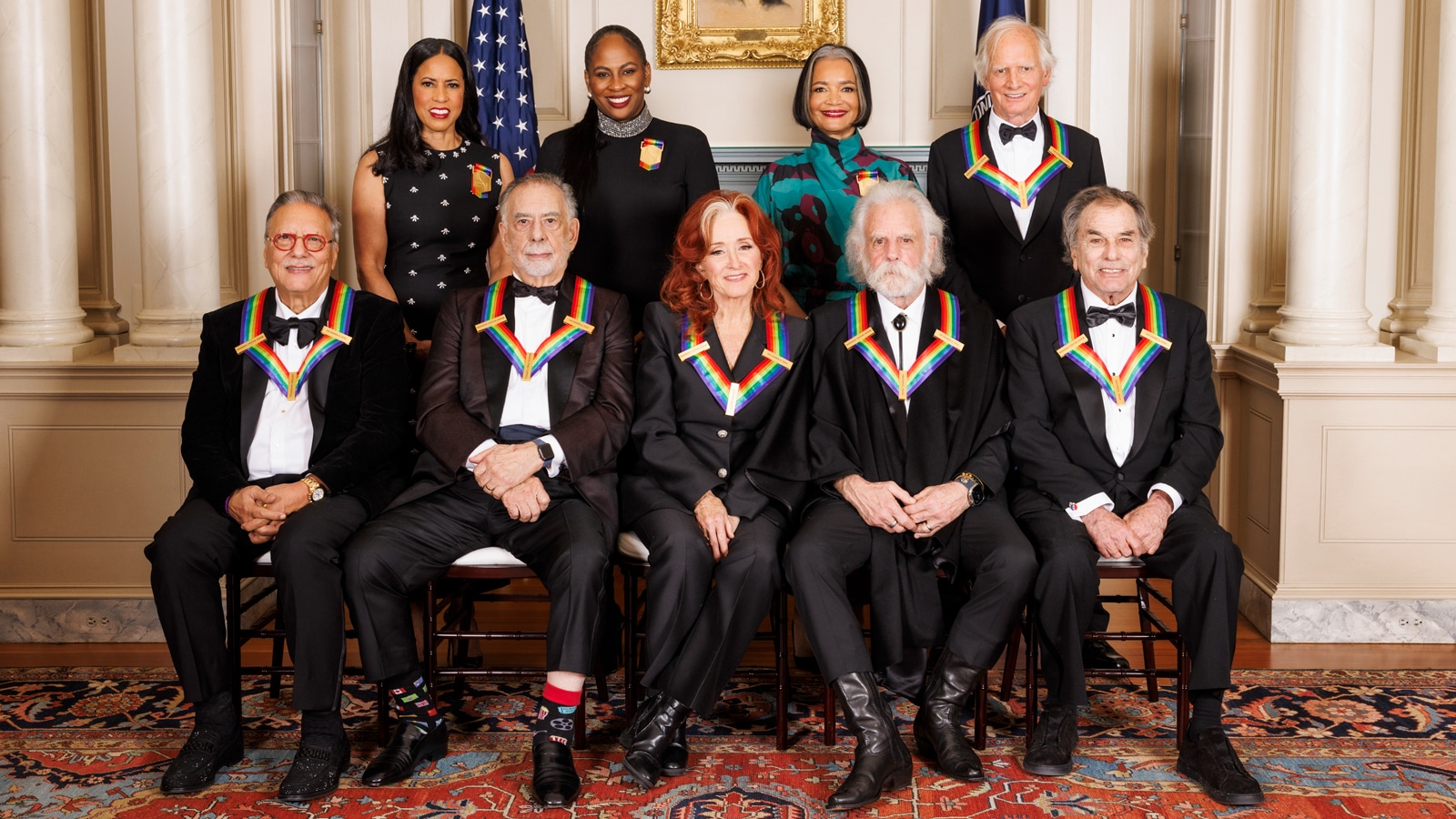
One of the most symbolic elements of the Honors—the iconic rainbow medallion—has undergone a major redesign. Since 1978, the satin ribbon and gold plate design remained consistent across generations of honorees. This year introduces a new version created by Tiffany & Co., featuring a blue ribbon paired with rainbow-striped detailing on the medallion. While visually distinct, the redesign carries deeper implications about modernizing the ceremony while maintaining its legacy. The updated presentation aligns with the growing trend of reimagining classic American cultural symbols, similar to the national revitalization projects highlighted by the Library of Congress (https://www.loc.gov).
Uncertainty surrounding attendance has also created speculation. Historically, the Honors have drawn loyal audiences of past honorees and leading performers from around the world. Even during politically tense periods, many artists continued to attend as a symbolic gesture of support for the arts. However, several notable figures will not participate this year due to global commitments or ongoing concerns about recent changes at the institution. With longstanding artistic relationships potentially impacted by organizational and leadership shifts, questions about continuity and participation remain present.
While some performers may choose not to attend, the Kennedy Center maintains its status as a global cultural hub, attracting artists, audiences and patrons in ways that mirror other major creative institutions such as the New York Metropolitan Opera (https://www.metopera.org). As the event approaches, anticipation and curiosity surrounding the reactions of the honorees and the artistic community continue to build, marking this year’s Honors as one of the most closely watched in recent history.