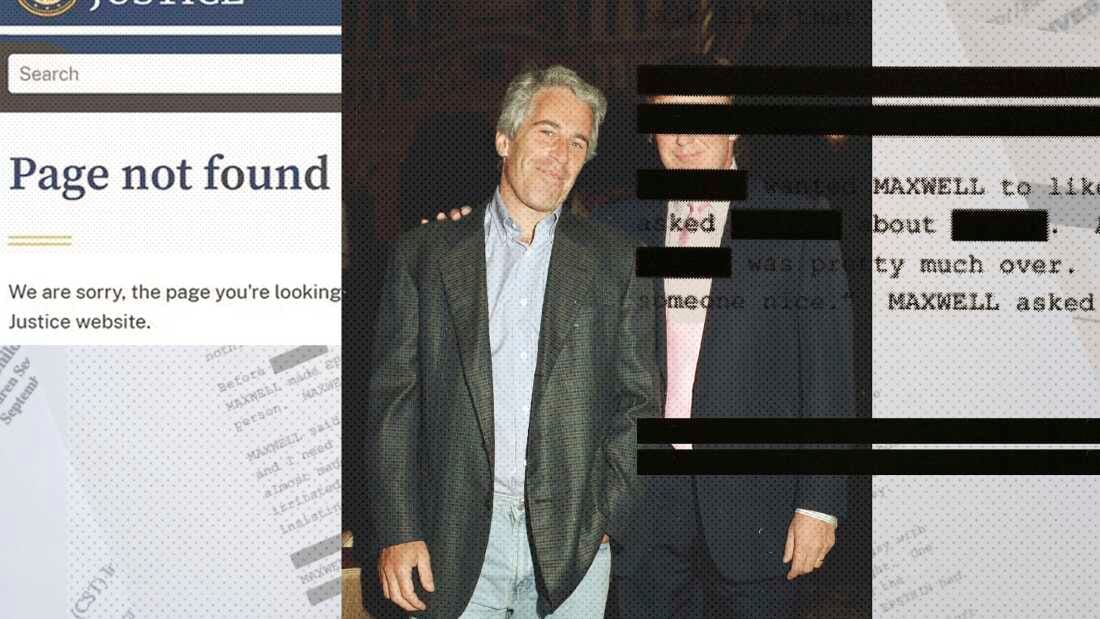
The U.S. Justice Department is facing intensified scrutiny after reports that key documents tied to Jeffrey Epstein were withheld or removed from public access, including materials that allegedly reference President Donald Trump. The controversy has sparked renewed debates about transparency, accountability, and the handling of sensitive federal records, especially those tied to high-profile investigations involving sexual abuse allegations and powerful public figures.
According to recent findings, multiple files associated with the Epstein investigation were cataloged within federal records but never made public, despite existing disclosure requirements. The missing materials reportedly include extensive FBI interview transcripts and internal notes tied to historical allegations involving a woman who claimed she was sexually abused as a minor decades ago. The revelation has fueled concerns that critical records may have been selectively withheld, raising questions about both procedural integrity and political implications.
The issue has gained traction among lawmakers and legal analysts who are closely monitoring how federal agencies manage document transparency, particularly in cases involving public trust and national leadership.
Missing Records Raise Transparency Concerns
The controversy centers on discrepancies between known federal archives and publicly available records. Analysts reviewing metadata and catalog references found that dozens of pages appear to exist in official logs but remain inaccessible to the public. These gaps have prompted calls for clarification about whether the omissions are tied to legal privilege, duplication, or ongoing investigative protections.
Information on federal transparency requirements and public records disclosure policies can be reviewed through the <a href=”https://www.justice.gov”>U.S. Department of Justice</a> portal, which outlines the standards governing document releases. Critics argue that while certain records may be legally protected, the lack of clear explanations about missing files undermines public confidence in institutional accountability.
The debate also intersects with broader transparency laws, including those governing public access to federal investigative records and evidence logs. These frameworks are often complex, especially when cases involve sealed testimony, sensitive witnesses, or ongoing legal considerations.
Congressional Reaction and Oversight Efforts
The revelations have triggered political responses on Capitol Hill, where lawmakers are increasingly calling for further oversight into how the Justice Department handled the Epstein files. Some members of Congress have indicated that internal reviews and evidence logs suggest that additional documents may exist beyond what has been publicly disclosed.
Details about congressional oversight processes and committee investigations are outlined on the <a href=”https://oversight.house.gov”>House Oversight Committee</a> website, which provides updates on federal accountability inquiries. Lawmakers pushing for deeper scrutiny argue that missing records tied to allegations involving a sitting or former president warrant heightened transparency due to their national significance.
The possibility of parallel investigations into document handling practices has also emerged, reflecting broader tensions between federal agencies and congressional oversight bodies. Such developments could lead to hearings, document subpoenas, or expanded inquiries into the management of sensitive federal evidence.
Legal and Political Ramifications Ahead
The controversy surrounding the withheld Epstein files could carry significant legal and political consequences. Legal experts note that decisions about document disclosure often hinge on multiple factors, including witness protection, classified materials, and ongoing investigations. However, high-profile cases involving allegations against prominent individuals tend to amplify public scrutiny and intensify demands for clarity.
Federal guidelines on public access to records, including Freedom of Information Act procedures, are available via the <a href=”https://www.foia.gov”>FOIA.gov</a> platform, which explains how records are reviewed and released. Transparency advocates argue that adherence to these frameworks is critical for maintaining trust, especially when cases intersect with national leadership and public accountability.
At the same time, the political implications are likely to unfold over months or even years, particularly if additional investigations or document releases emerge. Historical context and background information related to the Epstein case continue to be documented in public archives such as the <a href=”https://vault.fbi.gov”>FBI Vault</a>, which houses declassified records tied to major federal investigations.
As scrutiny intensifies, the Justice Department may face growing pressure to clarify the scope of withheld records and the legal rationale behind their status. Whether the controversy results in expanded disclosures or formal investigations, the handling of Epstein-related files is poised to remain a flashpoint in ongoing debates about transparency, accountability, and the intersection of law and politics in the United States.