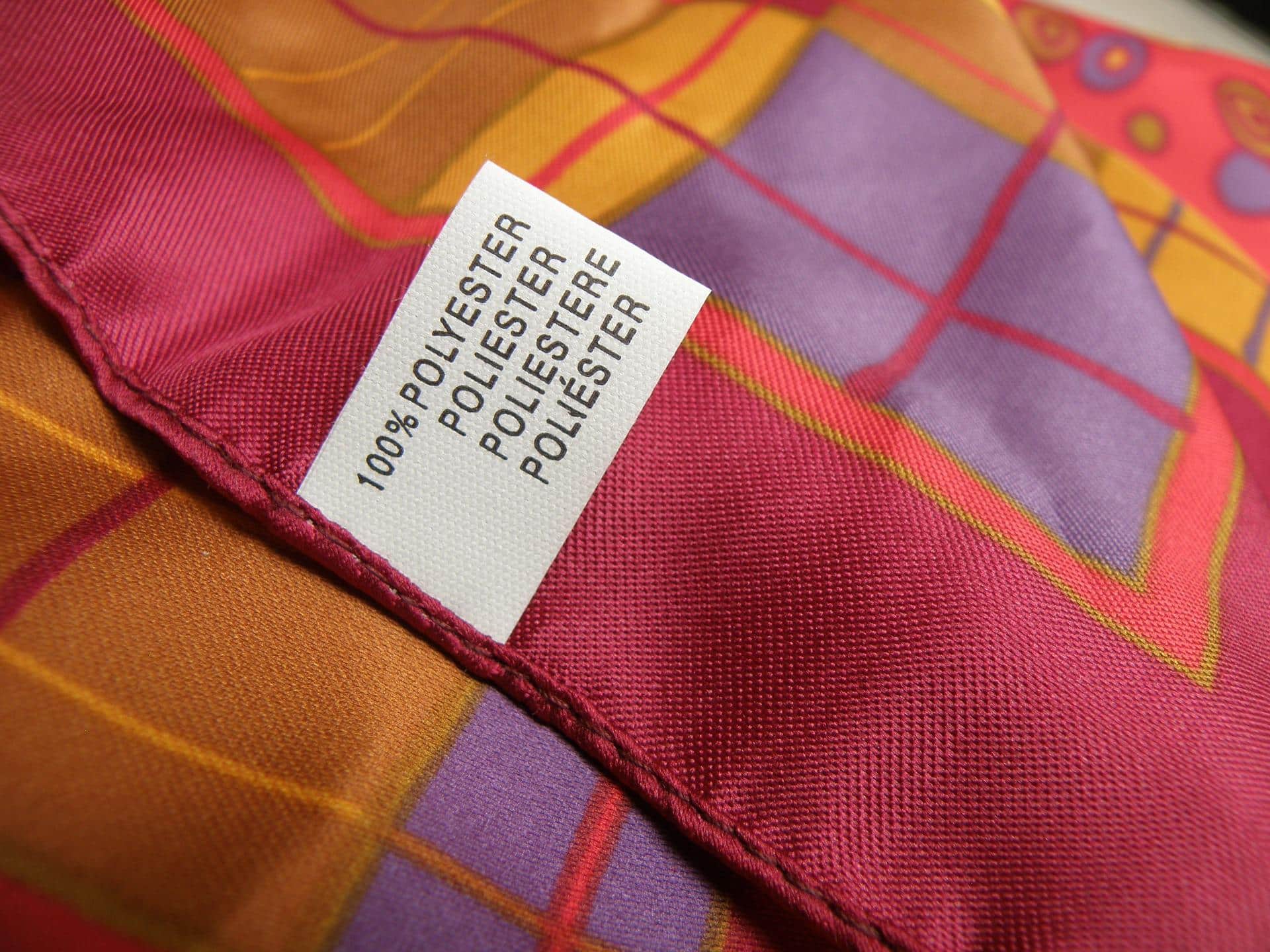
The debate over polyester clothing has intensified as more consumers question whether garments made from synthetic fibers truly justify their rising price tags. Once seen as a practical, affordable alternative to natural fibers, polyester has become a lightning rod for concerns about quality, sustainability, and value. Social media conversations, fueled by fashion influencers and everyday shoppers alike, are now reshaping how people view this petroleum-based textile and its role in the global apparel market.
Many shoppers report that polyester garments fade quickly, lose shape after a few washes, and fail to provide the durability expected from items that can cost well over $100. This disconnect between price and performance has pushed consumers to scrutinize fabric labels more closely, often discovering that even premium brands rely heavily on polyester blends. As this awareness spreads, the textile’s reputation is being reexamined, not only for its physical properties but also for its broader economic and environmental implications.
Why Polyester Became the Backbone of Modern Fashion
Polyester’s dominance in the fashion industry did not happen overnight. Its rise is rooted in a combination of practicality, cost efficiency, and evolving consumer behavior. As a synthetic fiber derived from petroleum compounds, polyester can be engineered to mimic the appearance and texture of natural fabrics while offering enhanced resistance to wrinkles, wind, and moisture. These characteristics made it especially attractive for mass production as global clothing demand surged.
The acceleration of fast fashion in the 1990s created an environment where speed and affordability outweighed longevity. Retailers sought materials that could be produced quickly, shipped cheaply, and sold at accessible prices, and polyester fit that model perfectly. According to industry analysts, the fabric’s adaptability allows designers to create bold silhouettes and lightweight garments that cater to rapidly changing trends.
At the same time, consumer lifestyles shifted. Busy schedules and limited time for garment care made low-maintenance fabrics more appealing. Unlike wool or silk, which often require handwashing or specialized cleaning, polyester can withstand frequent machine washing without immediate damage. This convenience factor reinforced its appeal across demographics, from budget-conscious shoppers to luxury consumers seeking trend-driven pieces.
Major fashion retailers, including those highlighted on platforms like https://www.zara.com, https://www.hm.com, and https://www.uniqlo.com, have built entire product lines around polyester-based garments. Even high-end designers showcased on https://www.gucci.com and https://www.prada.com regularly incorporate synthetic blends into their collections. The result is a market where polyester is no longer a niche fabric but a foundational component of modern apparel.
The Environmental Cost of a Plastic-Based Wardrobe
While polyester offers undeniable economic advantages, its environmental footprint raises serious concerns. Unlike natural fibers such as cotton or linen, polyester is not biodegradable. Once discarded, garments made from synthetic fibers can persist in landfills for decades, contributing to the growing global waste crisis.
The production process itself is energy-intensive, relying on fossil fuels that emit greenhouse gases during extraction and refinement. Each stage, from polymer creation to yarn spinning, adds to the textile’s carbon footprint. As sustainability becomes a priority for both consumers and regulators, polyester’s reliance on nonrenewable resources places it under increasing scrutiny.
Another critical issue is microfiber pollution. When polyester garments are washed, tiny plastic fibers shed into wastewater systems and eventually reach rivers and oceans. These microplastics accumulate in marine ecosystems, where they can be ingested by fish and other wildlife, potentially entering the human food chain. Although some filtration technologies are emerging, they are not yet widespread enough to offset the scale of the problem.
The environmental debate is further complicated by the rise of recycled polyester. Brands now market garments made from recycled plastic bottles as eco-friendly alternatives. While this approach reduces the need for virgin petroleum, it does not eliminate microfiber shedding or the long-term persistence of plastic-based textiles. As a result, recycled polyester is often viewed as a transitional solution rather than a definitive answer to the industry’s sustainability challenges.
Are Consumers Getting Real Value for Their Money?
Beyond environmental concerns, many shoppers are questioning whether polyester clothing delivers genuine value. The price of apparel has climbed steadily in recent years, driven by inflation, supply chain disruptions, and rising production costs. Yet the quality of many garments has not improved proportionally, leading to frustration among consumers who feel they are paying more for less.
A $12 polyester top may seem reasonable for a single season, but when a $250 dress is constructed from the same synthetic fiber, expectations shift dramatically. Buyers increasingly expect higher-end garments to offer superior craftsmanship, durability, and comfort, regardless of the fabric used. When polyester pieces fail to meet these standards, trust in brands erodes.
This growing skepticism is influencing purchasing behavior. Some consumers are choosing to buy fewer items but invest in higher-quality pieces made from natural or blended fibers. Others are turning to rental services and secondhand platforms to reduce both costs and environmental impact. The popularity of clothing rental companies, highlighted by services like https://www.renttherunway.com, reflects a broader shift toward access over ownership in the fashion economy.
At the same time, budget constraints remain a reality for many shoppers. Polyester continues to play a role in making fashion accessible, especially in urban markets where living costs are high. The challenge lies in balancing affordability with transparency, ensuring that consumers understand what they are paying for and how their choices affect the planet.
As awareness grows, polyester’s mixed reputation is unlikely to fade anytime soon. Its practicality and affordability have cemented its place in the fashion industry, but rising concerns about sustainability, quality, and value are reshaping how consumers engage with synthetic textiles. The future of polyester may depend less on its technical properties and more on how brands adapt to a marketplace that increasingly prioritizes longevity, ethics, and environmental responsibility.