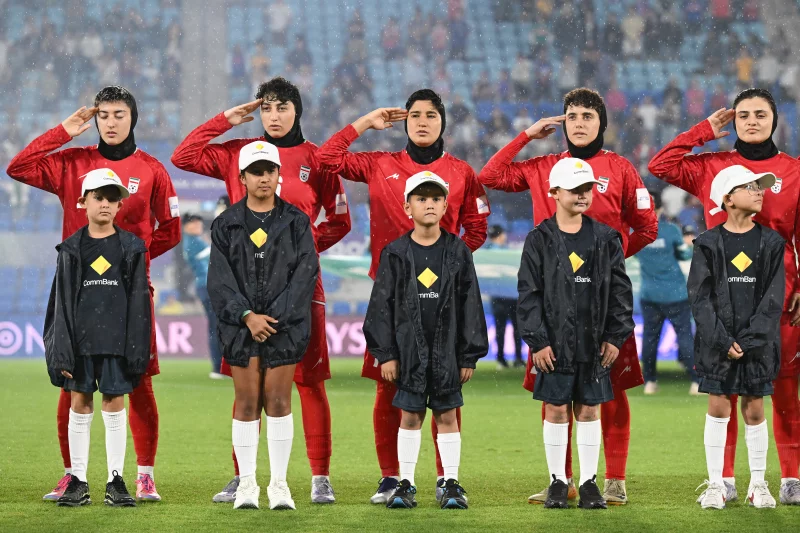
Australia has granted humanitarian asylum to five members of Iran’s national women’s soccer team who were in the country for an international tournament when the conflict involving Iran escalated. The decision allows the athletes to remain in Australia after they formally requested protection from authorities.
Officials confirmed that the players were relocated from their hotel on the Gold Coast to a secure location where their humanitarian visa applications were processed. The decision was finalized during meetings with representatives of the Department of Home Affairs, which oversees immigration and refugee policies in Australia.
The announcement followed several days of public debate and appeals from community groups urging the government to provide protection to the athletes. Many observers believed the players might face serious personal risks if they returned to Iran during the ongoing military conflict.
Authorities described the moment the visas were approved as emotional for the athletes, who were photographed celebrating the decision after their legal status was confirmed.
Asylum requests follow tournament visit
The Iranian women’s team traveled to Australia to compete in a regional soccer competition held earlier this year. The tournament was organized under the structure of the Asian Football Confederation, which oversees international soccer competitions across the continent.
The squad arrived before the military conflict began on February 28. After being eliminated from the tournament over the weekend, the players faced uncertainty about returning home while tensions in the region remained high.
According to the official team roster, the delegation included 26 players along with coaching staff and technical personnel. Australian authorities stated that the opportunity to request asylum or other forms of humanitarian protection was extended to all members of the delegation.
While five athletes have already been granted protection, the future of the remaining players remains unclear. Some members of the team have indicated a desire to return to Iran as soon as possible, while others are still evaluating their options.
Government officials emphasized that each individual must make their own decision regarding asylum and that discussions with immigration authorities remain available to anyone seeking further information about their status.
Public attention and demonstrations outside team hotel
The Iranian team attracted significant public attention during the tournament, particularly after players did not sing the national anthem before their opening match. The moment sparked widespread speculation about whether the gesture reflected political protest or mourning related to events unfolding in Iran.
Public interest intensified as the team prepared to depart the country following their elimination from the competition. Demonstrators gathered outside the team’s hotel on the Gold Coast, urging authorities to allow the athletes to remain in Australia.
Some protesters knelt or lay in front of vehicles believed to be transporting members of the team, temporarily delaying their departure. Others carried Iranian flags from the pre-revolution era and called for the government to protect the players.
Supporters said they believed the athletes might face pressure or danger if they returned to Iran, especially given the heightened political atmosphere during the ongoing conflict.
The situation has drawn attention from international sports organizations as well, including governing bodies connected to the International Federation of Association Football, which monitors global soccer competitions and athlete welfare.
Political reactions and international implications
The asylum decision also sparked diplomatic discussion, particularly after calls from foreign political leaders encouraging Australia to offer protection to any team member requesting it. Government officials confirmed that discussions took place between international leaders regarding the athletes’ situation.
Australia’s prime minister said authorities had worked carefully to ensure that any assistance offered to the players would not endanger them or their relatives who remain in Iran.
The country’s refugee framework allows individuals to apply for protection when they believe returning home could expose them to persecution or serious harm. Such cases are processed under guidelines consistent with international refugee agreements supported by organizations such as the United Nations High Commissioner for Refugees.
For the five players who have already been granted asylum, the approval marks the beginning of a new chapter in Australia. Their long-term plans remain uncertain as they adapt to life in a different country while the broader situation affecting their homeland continues to evolve.