Fertilizer shortages ripple across global agriculture
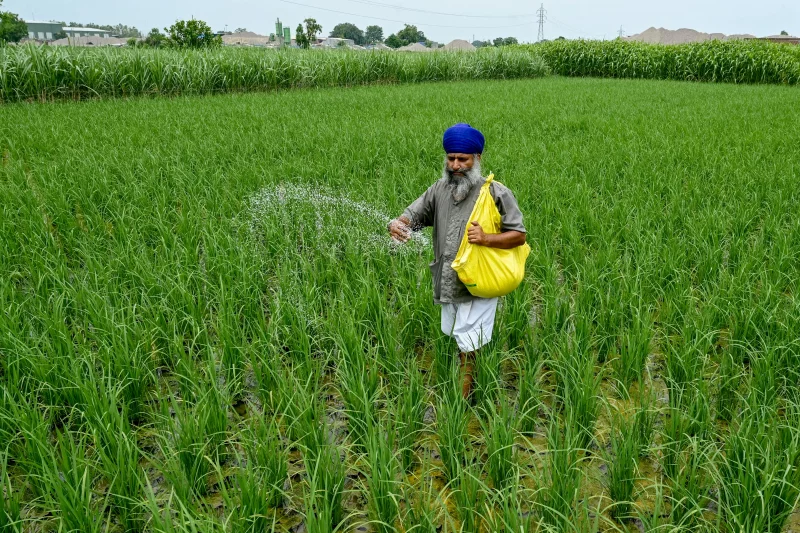
The escalating conflict involving Iran is beginning to exert significant pressure on the global food system, largely through disruptions in fertilizer supply chains. A substantial portion of the world’s fertilizer exports typically moves through a critical maritime corridor, and with shipping activity now severely constrained, prices for key agricultural inputs have surged sharply.
In several regions, fertilizer costs have risen by nearly 30%, placing immediate strain on farmers already operating under tight margins. Countries heavily dependent on imported inputs are among the most vulnerable. Nations across South Asia and Latin America, for instance, rely on consistent flows of natural gas and mineral-based compounds used in fertilizer production. As these supplies tighten, production facilities are slowing or even halting operations.
The consequences extend beyond raw materials. Many agricultural economies depend on energy exports from Gulf producers to sustain their own fertilizer industries. Disruptions to these energy flows are now compounding the problem. According to global market indicators tracked by <a href=”https://www.worldbank.org”>World Bank</a>, volatility in commodity pricing is accelerating uncertainty across agricultural markets, making it increasingly difficult for producers to plan upcoming planting cycles.
Energy costs drive farming and transport challenges
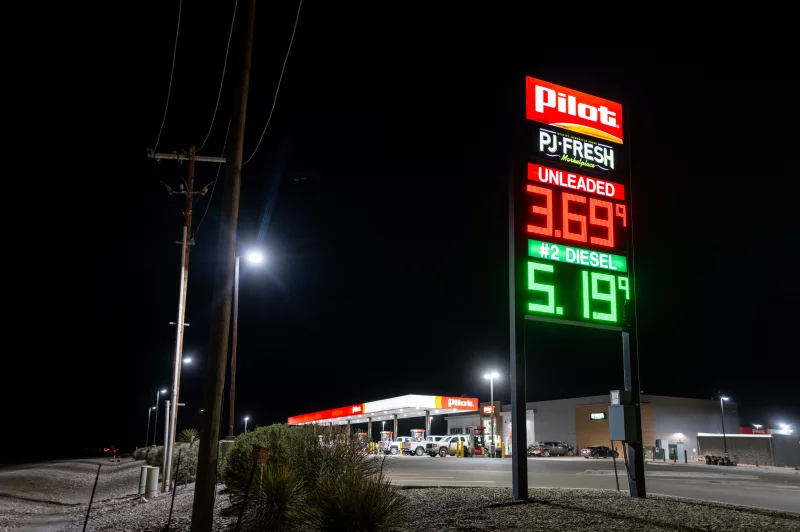
The impact of the conflict is not limited to fertilizer shortages. Rising oil and natural gas prices are affecting nearly every stage of food production. Modern agriculture is deeply dependent on fuel, from powering tractors and irrigation systems to transporting goods across long distances.
As fuel costs climb above $110 per barrel in global benchmarks, operational expenses for farmers are rising accordingly. Machinery operation, harvesting, and logistics have all become more expensive, squeezing profitability and potentially reducing overall output. Transportation bottlenecks are also emerging, as higher fuel prices increase the cost of moving crops from rural areas to urban markets.
Shipping disruptions are compounding the issue. With fewer vessels passing through key trade routes, delays are becoming more frequent, and freight costs are rising. Data from <a href=”https://www.iea.org”>International Energy Agency</a> reflects tightening energy supplies that are feeding directly into agricultural cost structures worldwide.
In developing economies, where food distribution networks are already fragile, these pressures can quickly translate into shortages at the consumer level. The interconnected nature of global supply chains means that even localized disruptions can have far-reaching consequences.
Food prices and market stability under pressure
As input costs rise and production slows, the effects are increasingly visible in global food markets. Staple crops such as rice, wheat, and corn are particularly sensitive to these shifts. Even modest increases in production costs can lead to noticeable price hikes, especially in regions where households spend a large share of income on food.
In some countries, up to half of household budgets are allocated to food expenses, making them highly vulnerable to inflation. A 5% to 10% increase in food prices can significantly affect purchasing power, increasing the risk of food insecurity and malnutrition, particularly among children.
Export markets are also under strain. Agricultural producers in major exporting nations are facing declining demand from regions affected by the conflict. Trade flows are being disrupted not only by higher costs but also by geopolitical uncertainty, which is reshaping global demand patterns. Market insights from <a href=”https://www.fao.org”>Food and Agriculture Organization</a> highlight growing concerns about supply imbalances and price volatility in key commodities.
At the same time, financial markets are reacting to these pressures. Commodity trading platforms monitored through <a href=”https://www.cmegroup.com”>CME Group</a> show increasing fluctuations in agricultural futures, reflecting uncertainty about both supply availability and future demand.
As planting seasons approach in multiple regions, farmers face difficult decisions about how much to produce and whether they can afford the necessary inputs. The longer disruptions persist, the greater the risk that reduced output and rising costs will converge, tightening global food availability and amplifying economic pressures across both developed and emerging markets.