Iran outlines demands and rejects U.S. proposal
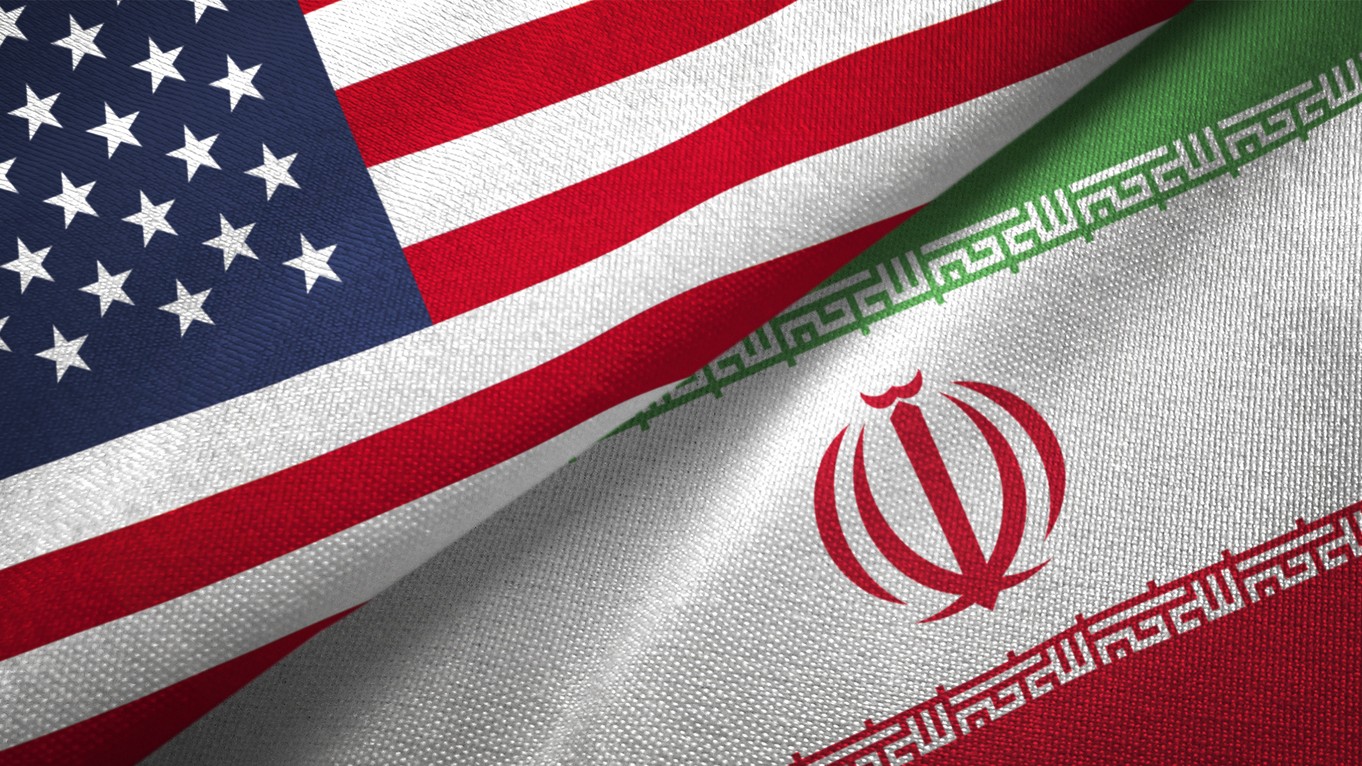
Iranian authorities have formally dismissed a U.S.-backed proposal aimed at ending the ongoing conflict, instead presenting a list of conditions that must be met before any agreement can be considered. Among the key demands are financial compensation for war-related damages, security guarantees to prevent future attacks, and official recognition of Iran’s sovereignty over the strategically vital Strait of Hormuz.
Officials indicated that the proposal had been relayed through intermediaries, reflecting ongoing indirect communication channels between the parties. However, Tehran has made clear that any framework imposed without addressing its core concerns will not be accepted. Statements released through diplomatic channels emphasized that Iran views the conflict not only as a military confrontation but also as a matter of national sovereignty and regional influence.
The dispute unfolds as global attention remains fixed on the United Nations, where diplomatic pressure continues to build over maritime security and the broader implications for international trade. Iranian leaders have reiterated that control over key shipping routes is non-negotiable, framing the issue as central to their geopolitical position.
Military escalation and regional tensions intensify
While diplomatic signals remain uncertain, military activity across the region has accelerated. The United States has ordered the deployment of thousands of additional troops, including rapid-response airborne units capable of mobilizing within hours. This move significantly increases the American military footprint near Iranian territory and signals readiness for further escalation if necessary.
Simultaneously, Israeli forces have expanded operations targeting Iranian-linked positions across multiple fronts, including Lebanon. These strikes have intensified pressure on Iran and its regional allies, particularly Hezbollah, which continues to play a central role in the conflict dynamics.
Iran, for its part, has responded with missile attacks and has maintained its capacity to disrupt maritime traffic. The strategic importance of the Strait remains critical, as highlighted in global shipping data tracked by institutions such as the International Energy Agency. Any sustained disruption in this corridor has immediate consequences for energy markets and supply chains.
Iranian officials have also introduced a selective maritime policy, allowing passage for vessels deemed neutral while restricting access for those associated with adversarial nations. This approach has added a layer of complexity to an already volatile situation, forcing shipping operators to reassess routes and risk exposure.
Economic fallout and diplomatic maneuvering
The economic consequences of the conflict are becoming increasingly visible across multiple sectors. Energy prices have surged, and supply chains for key commodities—including oil, gas, and fertilizers—have been severely disrupted. Regional infrastructure has also suffered repeated damage, further compounding economic losses.
International financial institutions, including the World Bank, have warned that prolonged instability could lead to widespread economic strain, particularly in countries heavily dependent on imports passing through the Gulf. Estimates suggest that total regional losses have already reached tens of billions of dollars, with further impacts expected if hostilities continue.
Diplomatic efforts, meanwhile, remain fragmented. Several countries have attempted to mediate between Washington and Tehran, offering to host talks or facilitate communication through indirect channels. Despite these efforts, public positions remain entrenched, with both sides signaling willingness to continue pursuing their objectives.
Concerns over maritime security, civilian safety, and infrastructure damage have also drawn attention from humanitarian organizations such as the International Committee of the Red Cross, which has highlighted the risks posed to civilian populations and essential services across affected regions.
As negotiations stall and military actions persist, the balance between diplomacy and escalation continues to shift, shaping the trajectory of a conflict with far-reaching global implications.