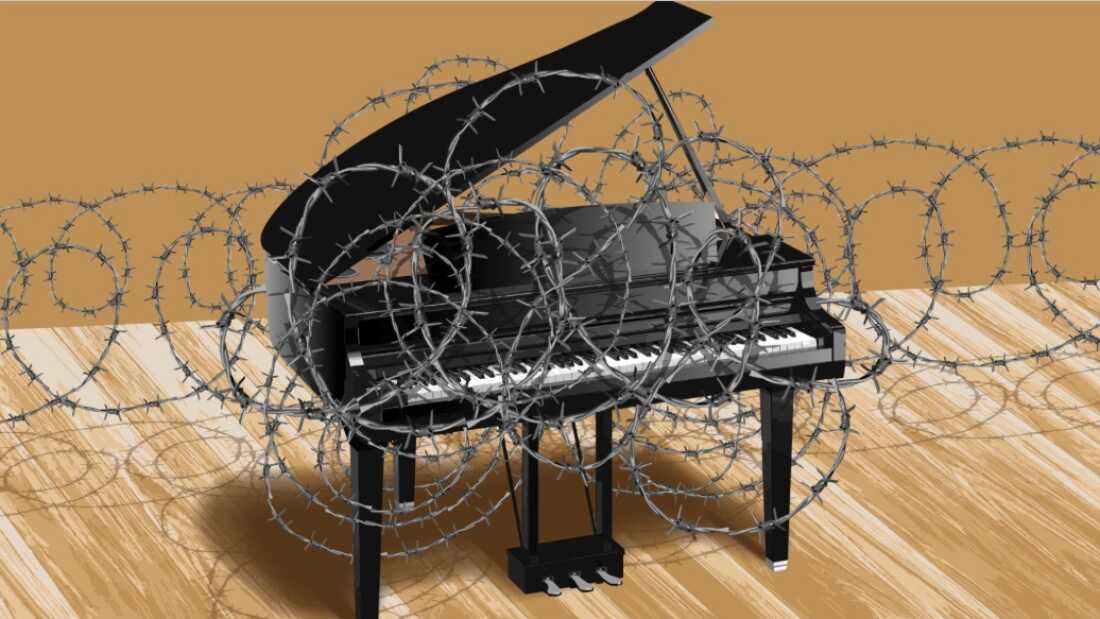
For decades, the United States has been a major destination for international performers. Today, however, many musicians, dancers, comedians, and other artists are reconsidering whether touring America is worth the time, expense, and uncertainty.
Arts organizations and immigration attorneys say obtaining a temporary work visa has become significantly more difficult, leading some performers to cancel tours altogether and prompting concerns about the future of international cultural exchange.
A Lengthy Visa Process
Before a foreign artist can perform in the United States, a sponsoring organization must file an extensive petition with U.S. Citizenship and Immigration Services (USCIS).
Depending on the type of performer, applicants generally seek either:
- P-3 visas, for culturally unique artists or groups.
- O-1 visas, for individuals with extraordinary ability or achievement.
Applications require substantial documentation, including evidence of professional accomplishments, media coverage, contracts, tour schedules, and recommendation letters.
According to immigration attorneys, petition processing now averages nearly one year for many artists, considerably longer than historical timelines.
Rising Costs
Many performers cannot wait months for standard processing and instead purchase premium processing, which currently costs nearly $3,000 per petition.
For smaller touring groups operating on limited budgets, those additional expenses can make U.S. tours financially unsustainable.
Swedish vocal ensemble Kongero experienced those challenges firsthand. Despite paying for expedited processing, the group received permission to remain in the United States for only two months instead of the requested year, forcing it to cancel future performances.
Members later announced they would not return for another U.S. tour in 2026, citing financial losses and administrative uncertainty.
Embassy Interviews and Border Uncertainty
Even after petition approval, artists must schedule interviews at U.S. embassies or consulates before visas can be issued.
Several performers report waiting months for interview appointments, while policy changes have occasionally introduced new requirements that disrupt already planned tours.
Receiving a visa also does not guarantee entry into the country.
U.S. Customs and Border Protection officers make the final admissibility decision at ports of entry, and arts organizations say increased scrutiny has created uncertainty for international performers.
One example involved Palestinian theater artist Alaa Shehada, who said he was denied entry despite holding a valid performance visa after extensive questioning upon arrival in New York. U.S. Customs and Border Protection stated the decision was based on immigration procedures and information gathered during inspection.
Impact Beyond the Artists
Canceled tours affect far more than performers.
Theaters, universities, festivals, presenters, and local businesses often invest months planning performances, marketing events, and selling tickets. When tours collapse, organizers may face significant financial losses while audiences lose opportunities to experience international culture.
Arts leaders also worry that fewer international performances reduce opportunities for cultural understanding and artistic collaboration.
Some presenters have already begun prioritizing artists from countries they believe face fewer visa complications, reshaping future programming decisions.
Government Response
Federal agencies say the stricter procedures are designed to strengthen national security and improve identity verification.
U.S. Citizenship and Immigration Services has stated that increased processing reflects more rigorous background reviews, while the State Department says the United States continues to welcome artists who satisfy all legal visa requirements.
Looking Ahead
Immigration attorneys and arts organizations say the growing combination of longer processing times, higher costs, stricter interviews, and unpredictable border inspections may discourage more international performers from touring the United States.
If that trend continues, American audiences could increasingly miss opportunities to experience live performances from artists around the world, while cultural institutions face greater challenges bringing international voices to U.S. stages.