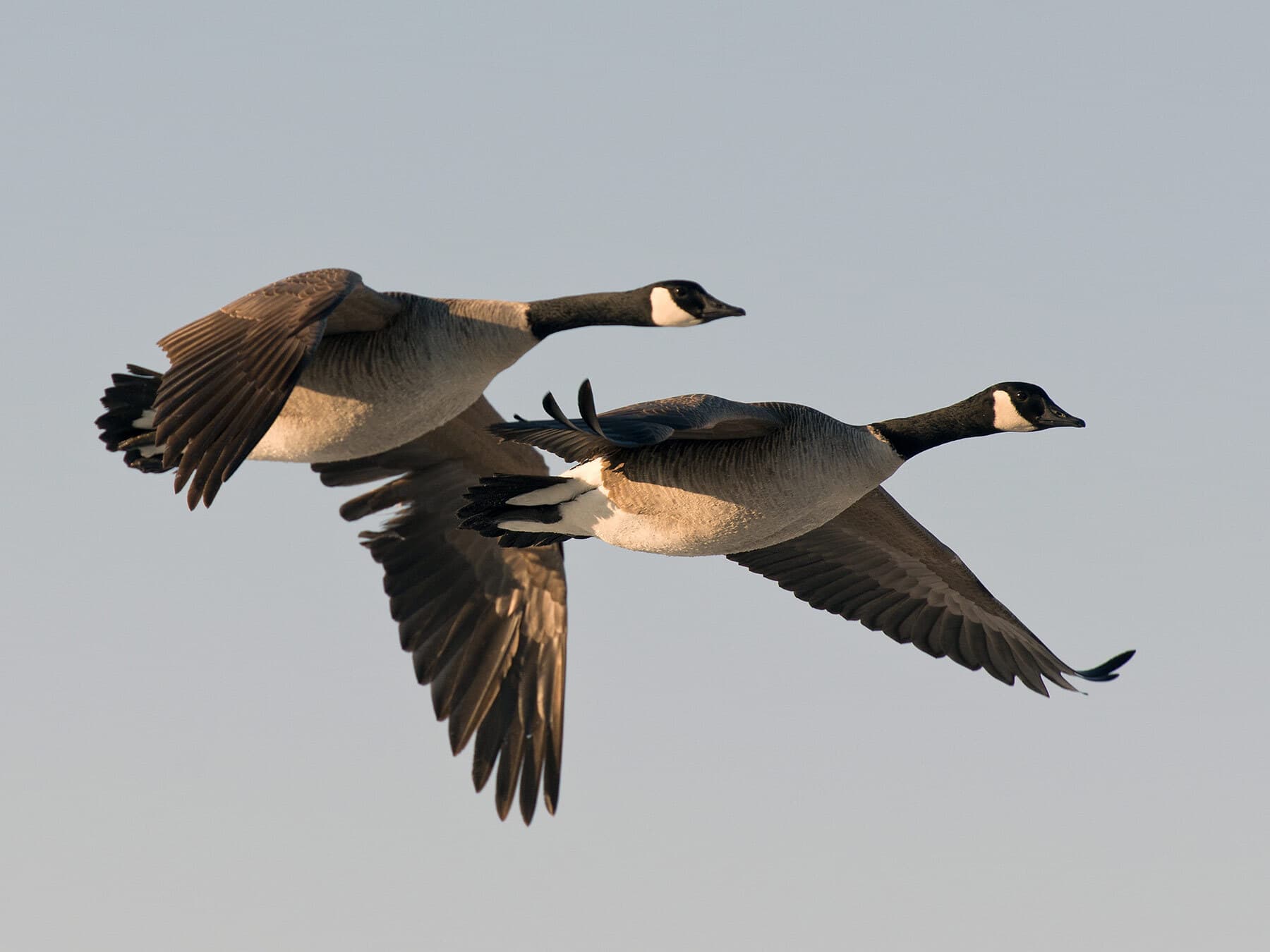
Every spring, millions of geese begin an extraordinary journey across North America, traveling thousands of miles from their winter habitats in the southern United States to breeding grounds in Canada and the Arctic. The seasonal movement is one of the most recognizable wildlife migrations in the world and reflects a complex combination of environmental cues, food availability, and instinct.
Scientists who study bird migration explain that geese typically begin their northbound journeys between late February and May. During this time, birds respond to changes in daylight, rising temperatures, and the gradual return of vegetation across northern landscapes.
Why Geese Migrate North Each Spring
Migration allows geese to take advantage of seasonal resources. During winter, many species move south where food is more accessible and temperatures are milder. However, as spring approaches, their northern breeding habitats begin to thaw and vegetation starts growing again.
Researchers often describe this movement as following the “green wave.” As snow melts and plants begin to grow across regions further north, geese move step-by-step along that expanding line of fresh vegetation.
Winter conditions also influence the timing of migration. When lakes freeze or snow covers feeding grounds, geese may struggle to access water and food. Moving north provides access to newly available resources and less competition compared with staying in winter habitats year-round.
Many migrating species belong to groups like the Canada Goose, which is widely known for its long-distance seasonal travel across the continent.
The Four Major Migration Flyways
In North America, geese and other migratory birds travel along well-established routes known as flyways. These pathways follow geographic features such as rivers, coastlines, and mountain ranges that help guide birds during their journey.
The four main migration flyways include:
- Pacific Flyway – Runs between Alaska and the western United States, including California.
- Central Flyway – Connects western and northern Canada with the Great Plains, reaching states like Texas and Arizona.
- Mississippi Flyway – Extends from northern Canada down through the central United States to Louisiana.
- Atlantic Flyway – Links eastern Canada with the eastern United States, reaching as far south as Florida.
These migration corridors are critical for conservation efforts and are monitored by organizations such as the U.S. Fish and Wildlife Service, which studies migratory patterns and habitat conditions across the continent.
Preparing for the Long Journey
Before taking flight, geese must build up enough energy reserves to sustain long-distance travel. During this preparation period, they feed heavily on crops and vegetation such as corn, beans, and wheat.
This high-calorie diet allows them to store fat and protein that will fuel their flights. However, scientists note that birds must strike a balance. Carrying too much weight can slow them down, so geese adjust their intake to maintain optimal flight performance.
Migrating birds often travel in groups and form the well-known V-shaped formations that help conserve energy by reducing air resistance. Each bird benefits from the upwash created by the wings of the bird in front, allowing the flock to travel farther with less effort.
A Seasonal Journey That Signals Spring
For many people across North America, the sound of honking geese overhead is one of the earliest signs that winter is ending. Their migration reflects the changing seasons and the delicate balance of ecosystems that support wildlife across thousands of miles.
As temperatures rise and vegetation spreads northward, these birds continue their journey to nesting grounds where they will breed and raise new generations before beginning the cycle again in the fall.
The annual migration of geese remains one of nature’s most remarkable spectacles—an aerial journey shaped by instinct, climate, and the rhythms of the natural world.