Energy Prices Drive Sharp Inflation Increase
Inflation has accelerated to its highest level in nearly two years, largely fueled by a dramatic rise in energy costs linked to ongoing geopolitical tensions. According to recent data from the Labor Department, consumer prices climbed 3.3% compared to the same period last year, marking the steepest annual increase since mid-2024.
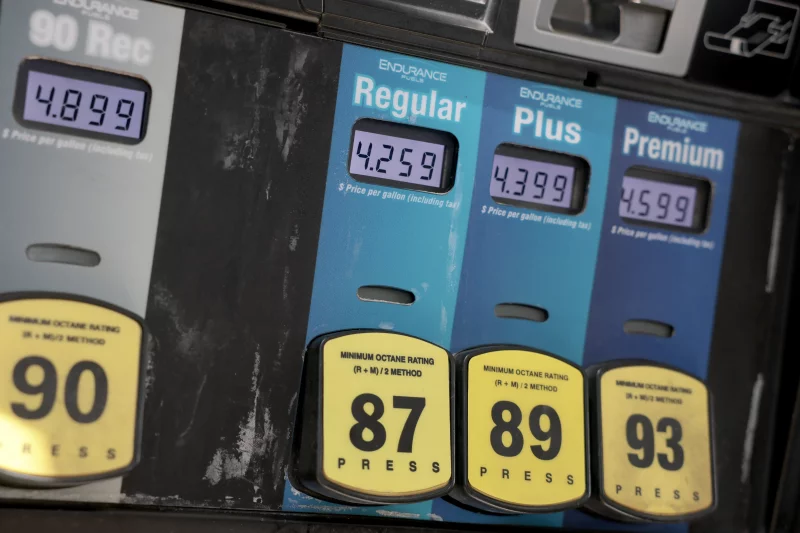
On a monthly basis, prices rose 0.9% between February and March, with gasoline accounting for nearly three-quarters of that surge. Fuel costs have increased by more than $1 per gallon on average since military actions involving the United States and its allies intensified in the Middle East. Despite a temporary ceasefire, prices at the pump have remained elevated, reflecting ongoing uncertainty in global energy markets.
The ripple effects of higher fuel costs have extended beyond transportation. Airlines, facing significantly higher jet fuel expenses, have raised ticket prices, adding pressure on travel budgets. At the same time, food prices have shown mixed movement, with restaurant costs rising while grocery prices have slightly declined, balancing overall food inflation.
Core Inflation and Economic Stability Concerns
While headline inflation figures are heavily influenced by volatile categories like food and energy, core inflation—which excludes these elements—also edged higher, reaching 2.6% in March. This increase suggests that underlying price pressures are broadening, raising concerns among policymakers about the durability of inflation.
Officials at the Federal Reserve are closely monitoring these developments. Although inflation remains below the peak levels seen in 2022, the recent uptick has disrupted what had been a gradual stabilization trend. Policymakers are wary that prolonged inflation above the central bank’s 2% target could become entrenched in consumer expectations and business pricing strategies.
At the same time, expectations for long-term inflation remain relatively stable. Data from the New York Fed indicates that while consumers anticipate higher prices in the short term, they still believe inflation will ease over time. This balance between short-term concern and long-term confidence plays a critical role in shaping monetary policy decisions.
Labor Market Signals and Policy Uncertainty
The broader economic picture is further complicated by mixed signals from the labor market. Employers added approximately 178,000 jobs in March, recovering from losses in the previous month. While hiring has not surged, businesses have also shown reluctance to implement widespread layoffs, suggesting a cautious but stable employment environment.
Economic analysts attribute this hesitation to ongoing uncertainty surrounding global events and their potential long-term impact. Companies are increasingly adopting a wait-and-see approach, delaying major hiring or investment decisions until there is greater clarity about the trajectory of energy prices and geopolitical risks.
The combination of rising inflation, elevated fuel costs, and cautious business sentiment is shaping a complex policy environment. Financial markets, including benchmarks tracked by the S&P Global, are reacting to shifting expectations around interest rates, as investors weigh the likelihood of prolonged monetary tightening against the risk of slowing economic growth.