Illinois Democratic Primary for Open Chicago-Area Seat Reveals Debate Over How Far Left the Party’s Next Generation Should Go
A closely watched Democratic primary in northern Illinois is offering an early test of how voters within the party want to shape its future leadership. The race to represent Illinois’ 9th congressional district—covering Evanston and parts of Chicago’s North Side—has become a contest not just between candidates, but between visions of how the Democratic Party should evolve.
The open seat emerged after long-serving Representative Jan Schakowsky announced plans to step down after more than two decades in Congress. Her retirement triggered a competitive primary that has drawn a large field of Democratic candidates from multiple generations, each presenting a different approach to progressive leadership and political strategy.
While the district is considered a strong Democratic stronghold, the outcome of the primary could signal how grassroots voters and party activists want the next wave of Democratic leaders to balance progressive ambitions with political pragmatism.
Information about congressional districts and election processes can be accessed through the official federal elections resource at https://www.fec.gov.
A Generational Contest for a Safe Democratic Seat
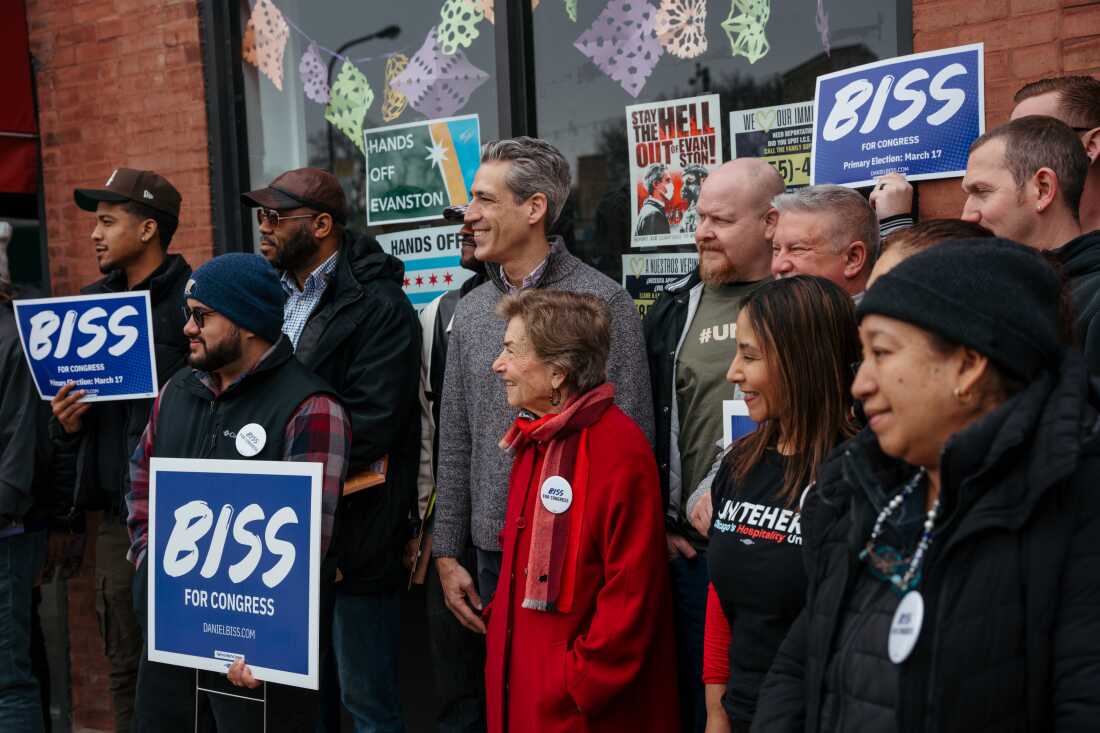
Among the leading candidates in the race is Daniel Biss, currently serving as mayor of Evanston. Biss, who previously served in the Illinois State Senate, has positioned himself as a candidate who combines progressive activism with experience working inside government institutions.
Supporters of Biss argue that his background allows him to bridge generational divides within the Democratic Party. At 48, he represents a cohort of leaders between older establishment figures and a younger generation of activists seeking faster political change.
Biss has also secured endorsements from prominent progressive figures, including Elizabeth Warren. The backing from nationally recognized Democrats has helped raise his profile in a crowded primary field that includes candidates ranging from Generation X to Generation Z.
Detailed information about Illinois elections and voting procedures can be found through the Illinois State Board of Elections at https://www.elections.il.gov.
Debate Within the Party Over Strategy and Change
Although many of the candidates in the race share similar policy positions on issues such as healthcare, economic inequality and climate action, the campaign has exposed deeper strategic disagreements within the Democratic Party.
Some candidates advocate rapid structural reforms and more confrontational political tactics, reflecting the priorities of younger progressive movements. Others argue that change must be achieved through established legislative processes and long-term coalition building.
The debate reflects broader national conversations within the Democratic Party about how to respond to shifting political dynamics and how aggressively to pursue progressive policies while maintaining electoral viability.
Political analysts note that primaries in safe districts often become laboratories for these internal debates because the eventual Democratic nominee is highly likely to win the general election.
Additional background about congressional representation and the structure of the U.S. House of Representatives can be found at https://www.house.gov.
Grassroots Support and Local Political Engagement
Campaign events across the district highlight the strong role that grassroots activism continues to play in Democratic politics. Volunteers, labor unions and community organizations have mobilized to support candidates through door-to-door canvassing, phone banking and neighborhood outreach efforts.
Union members and local organizers attending campaign events say the race represents an opportunity to influence how the party addresses issues affecting working families, including rising living costs and economic stability.
The district’s political landscape also reflects the broader diversity of the Chicago metropolitan area, with voters from urban neighborhoods and suburban communities participating in the primary.
For many residents, the election represents more than simply replacing a retiring lawmaker. Instead, it has become a chance to define what the next generation of Democratic leadership should look like and how it should respond to national political challenges.
Additional information about voting districts and civic participation resources can be accessed through the League of Women Voters at https://www.lwv.org.
As the primary approaches, the results from Illinois’ 9th district could provide insight into how Democratic voters nationwide are navigating the balance between generational change, progressive policy ambitions and the practical realities of governing.