The fatal shooting of a 37-year-old woman by an Immigration and Customs Enforcement officer in Minneapolis has intensified national scrutiny over federal immigration enforcement operations and the limits of use of force in civilian neighborhoods. The incident occurred during a targeted enforcement operation in south Minneapolis and immediately prompted conflicting accounts from federal authorities and state and local leaders, deepening public concern over transparency and accountability.
Federal officials have framed the shooting as a lawful act of self-defense, while Minnesota leaders have questioned whether the circumstances justified lethal force. The case has quickly become a flashpoint in broader debates over immigration policy, federal authority, and community trust in law enforcement.
Disputed Accounts of the Shooting
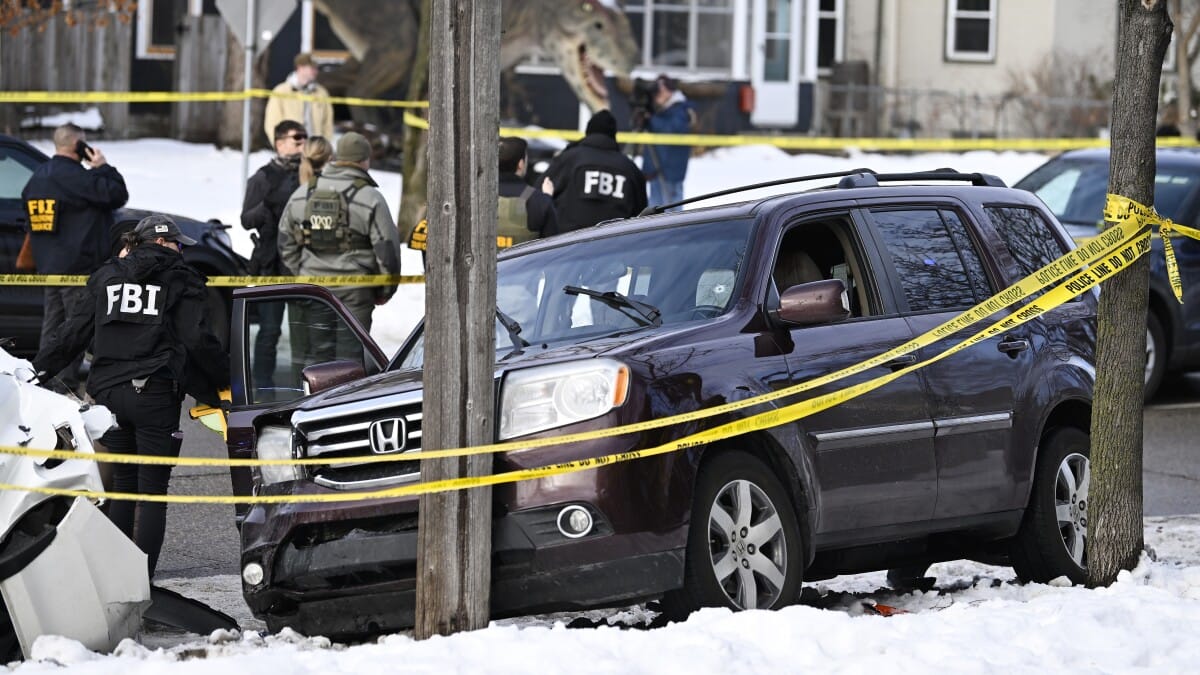
According to federal officials, ICE agents were operating in a residential area when tensions escalated around a stopped SUV. Video footage circulating online shows officers surrounding the vehicle and ordering the driver to exit. Moments later, the SUV moves, and an officer positioned near the front of the vehicle fires multiple shots. The vehicle then crashes nearby.
The Department of Homeland Security, which oversees ICE operations, maintains that the officer perceived an imminent threat after being struck by the vehicle. DHS leadership has repeatedly emphasized that a moving vehicle can legally be considered a deadly weapon under federal law, a position outlined in past guidance available through the Department of Homeland Security’s official platform at https://www.dhs.gov.
State and city officials, however, argue that the available footage raises unresolved questions about escalation, de-escalation tactics, and whether alternative measures could have prevented the fatal outcome. Minneapolis leaders have called for an independent investigation to establish a full timeline of events and clarify the officer’s decision-making process.
Community Reaction and Public Outcry
The shooting took place less than a mile from the site where George Floyd was killed in 2020, a fact that has amplified public reaction and historical sensitivity surrounding law enforcement encounters in Minneapolis. Vigils quickly formed near the scene, with residents expressing anger over federal agents conducting armed operations in residential neighborhoods.
City officials emphasized that the woman, identified by local authorities as a Minneapolis resident, was known in her community and was acting in defense of others at the time of the incident. The Minneapolis City Council released statements calling for transparency and accountability, reinforcing demands already echoed on the City of Minneapolis official website at https://www.minneapolismn.gov.
Civil rights advocates have argued that the shooting reflects broader systemic issues surrounding immigration enforcement and the militarization of federal agencies operating within cities that have strained relationships with law enforcement.
Federal Authority and Legal Implications
The legal framework governing ICE operations allows agents to conduct enforcement actions nationwide, regardless of local policies. ICE’s authority and enforcement priorities are outlined on its official website at https://www.ice.gov, which details how agents are trained to respond to perceived threats during operations.
However, legal experts note that the classification of a vehicle as a deadly weapon is highly context-dependent and often scrutinized in post-incident investigations. Federal use-of-force standards require that lethal force be used only when no reasonable alternatives exist, a principle detailed in broader federal law enforcement guidelines available through https://www.justice.gov.
As investigations move forward, the case is expected to influence future oversight of immigration enforcement tactics, particularly in urban areas where community opposition remains strong. The outcome may also shape how federal agencies coordinate with local governments during high-risk operations, setting precedents that extend far beyond Minneapolis.