Bad Bunny has redefined what it means to be a global pop star in the 21st century. Beyond chart-topping hits and record-breaking tours, the Puerto Rican artist has emerged as a powerful cultural and political force, bringing conversations about Puerto Rican identity, colonialism, inequality, and independence into mainstream global culture. His rise reflects a larger shift in how resistance, activism, and popular entertainment intersect in a world driven by social media, streaming platforms, and transnational audiences.
From sold-out stadium tours across the United States, Europe, and Latin America to viral social commentary embedded in his lyrics and visuals, Bad Bunny has created a new cultural language that resonates with millions. His work does not merely entertain; it challenges narratives, questions power structures, and highlights the complexities of Puerto Rico’s political status. Through this blend of artistry and advocacy, he has managed to place historically marginalized debates at the center of global pop discourse, redefining how music can function as both cultural expression and political intervention.
The Cultural Power Behind Bad Bunny’s Global Influence
Bad Bunny’s ascent coincides with a moment of profound transformation within the global music industry, where artists increasingly use their platforms to address political, social, and cultural issues. His music draws deeply from Puerto Rican history, language, and street culture, blending reggaeton, trap, salsa, and experimental sounds into a distinctly Caribbean sonic identity. This artistic fusion allows him to reach diverse audiences while remaining grounded in local narratives.
Through his lyrics and visual storytelling, Bad Bunny confronts topics such as colonialism, economic inequality, migration, police violence, and gender norms. By doing so, he reshapes how Puerto Rican experiences are perceived beyond the island, creating a shared cultural space where diasporic communities and international fans can engage with these realities. His collaborations with global brands and media platforms further expand the reach of these messages, embedding them within mainstream entertainment ecosystems.
Major cultural institutions and media outlets have taken note of this transformation, analyzing how his work has reshaped conversations around Latin music and political identity. Cultural commentary published by outlets such as https://www.nytimes.com highlights how Bad Bunny’s artistry merges vulnerability, protest, and celebration, positioning him as both a cultural ambassador and a disruptive force within the industry. This dual role allows him to navigate commercial success while amplifying messages that challenge entrenched political structures.
When Resistance Becomes Profitable
One of the most complex dimensions of Bad Bunny’s influence lies in the commercialization of resistance. His music and visual imagery frequently reference protest movements, social justice struggles, and Puerto Rican sovereignty, yet they circulate within highly profitable global markets. This dynamic raises important questions about how activism functions within capitalist frameworks and whether political messaging loses potency when embedded in mass consumption.
Bad Bunny’s ability to generate billions of streams and hundreds of millions of dollars in tour revenue illustrates how resistance can become a lucrative commodity. His albums dominate streaming platforms, with services like https://www.spotify.com serving as key distribution channels that amplify both his sound and his political messaging. The commercialization of protest does not necessarily neutralize its impact, but it does complicate traditional understandings of activism, forcing audiences to consider how revolutionary ideas evolve when filtered through global entertainment systems.
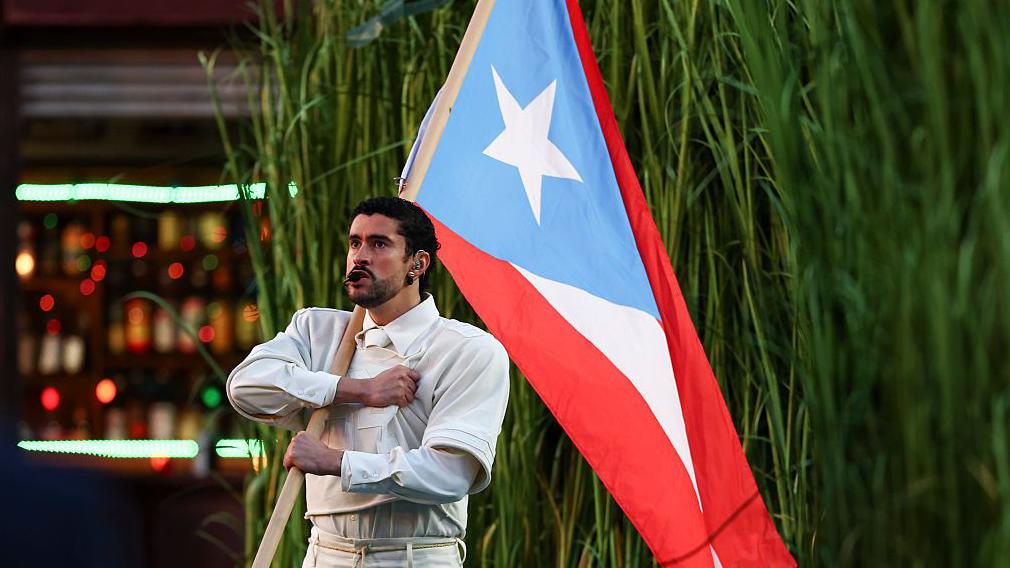
Rather than diluting his message, Bad Bunny often leverages commercial success to expand the scale of his political reach. His concerts become massive cultural gatherings where Puerto Rican flags, anti-colonial slogans, and messages of solidarity are proudly displayed. These events function not only as entertainment spectacles but also as collective rituals of identity affirmation, reinforcing cultural memory and political consciousness among millions of fans.
Reclaiming History and Shaping Collective Memory
Bad Bunny’s artistic vision extends beyond music into visual storytelling that engages directly with Puerto Rico’s historical struggles. His recent projects incorporate archival imagery, historical references, and symbolic representations of colonialism and resistance, encouraging audiences to confront narratives often excluded from mainstream education. By embedding history into popular culture, he transforms collective memory into an accessible and emotionally resonant experience.
Academic communities have responded to this phenomenon by incorporating his work into scholarly discourse and university curricula. Courses exploring his music, activism, and cultural significance are now being taught across the United States, reflecting a broader recognition of his role in shaping contemporary political identity. These academic explorations contextualize his work within centuries-long struggles for sovereignty and cultural preservation, emphasizing the continuity between past resistance movements and modern expressions of dissent.
Historical frameworks published by institutions such as https://www.britannica.com provide essential background on Puerto Rico’s political status, offering deeper insight into the themes that permeate Bad Bunny’s creative output. By connecting popular music with historical scholarship, his work fosters intergenerational dialogue about identity, autonomy, and belonging, bridging academic analysis and mainstream cultural engagement.
In parallel, music industry analysis from platforms like https://www.billboard.com illustrates how his commercial success challenges long-standing barriers faced by Latin artists, reshaping industry norms and redefining global pop aesthetics. This convergence of cultural pride, political messaging, and commercial triumph underscores the transformative power of his career.
Bad Bunny’s influence ultimately lies in his ability to merge entertainment with political consciousness without sacrificing either. By making Puerto Rican independence and cultural identity central to his global brand, he has opened new pathways for artistic resistance, demonstrating that mainstream success and political advocacy can coexist. In doing so, he has not only reshaped the music industry but also redefined how a generation understands power, identity, and the possibilities of collective action in a rapidly changing world.