After several years marked by costly hurricanes, wildfires, and floods, 2025 brought a relatively quieter year for extreme weather in the United States. While disasters still struck regions such as California, Texas, and Alaska, no hurricanes made landfall in the continental U.S. Despite the calmer season, many homeowners are unlikely to see significant reductions in insurance premiums.
Insurance analysts say the impact of a single year with fewer catastrophic events is limited, particularly as climate risks and rebuilding costs continue to increase across the country.
A Short-Term Break After Years of Costly Disasters
In recent years, extreme weather has caused billions of dollars in property damage annually. Even with a relatively mild disaster year in 2025, the U.S. still experienced major losses from events such as wildfires and flooding.
According to industry data, extreme weather has caused more than $100 billion in damages in four of the past five years. Experts say this trend has made insurers cautious about lowering premiums.
Organizations like the Insurance Information Institute note that companies typically evaluate long-term risk trends rather than adjusting prices based on a single calm year.
Insurance Premiums Still Expected to Rise
Despite the quieter year for disasters, forecasts suggest that insurance costs will continue increasing in many parts of the country. Financial analysis from Bankrate estimates that homeowners insurance premiums nationwide could rise between 3% and 8%.
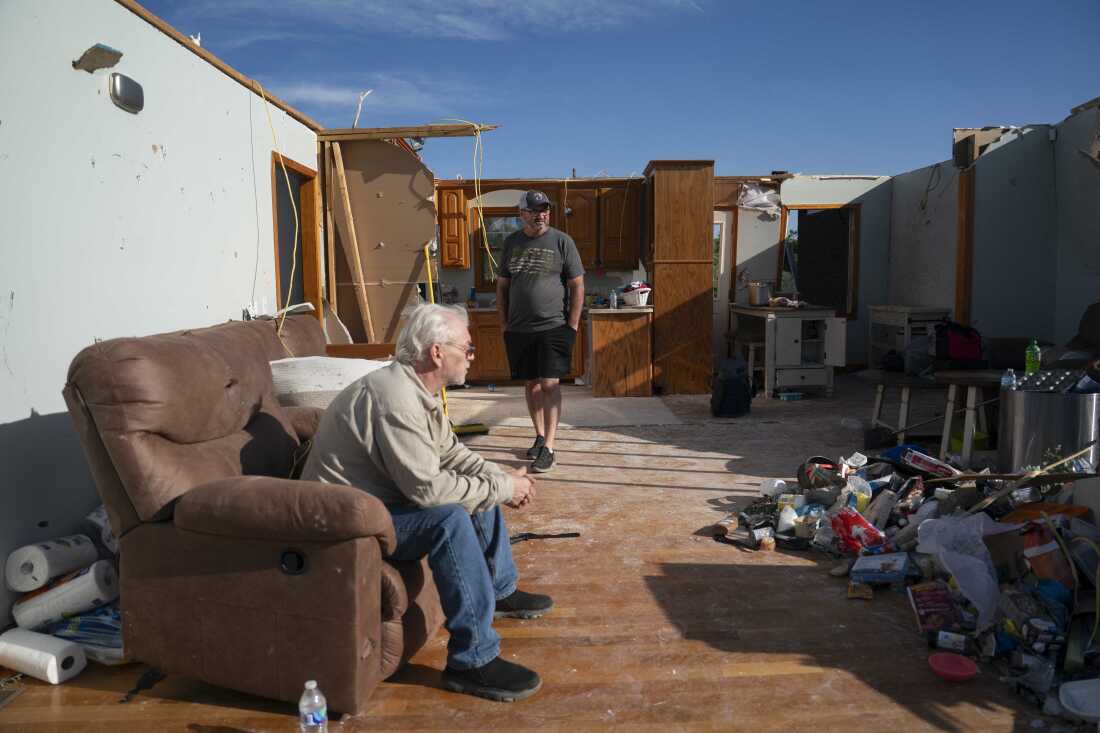
Some of the steepest increases are expected in Midwestern states that have experienced severe hailstorms and tornado outbreaks. These convective storms have caused widespread property damage, prompting insurers to raise rates in affected regions.
The average annual homeowners insurance premium in the United States is now around $2,400, significantly higher than the roughly $1,300 average recorded in 2020.
Florida May See Some Relief
While most areas may face rising costs, some states could experience limited relief. Florida, which has some of the highest insurance premiums in the country, may see modest reductions for certain homeowners.
Governor Ron DeSantis said earlier this year that premiums for policyholders insured by the state-backed Citizens Property Insurance Corporation could decline this spring as private insurers gradually return to the market.
Several insurers had previously exited Florida or gone bankrupt following major hurricane losses. As private companies reenter the market, competition may help stabilize prices for some homeowners.
Climate Risk and Rebuilding Costs Remain Major Factors
Experts say several long-term forces continue to push insurance costs higher. Climate change is increasing the risk of severe weather events such as hurricanes, floods, and wildfires. At the same time, population growth in vulnerable regions — including coastal areas and wildfire-prone forests — means more homes are exposed to damage.
Rebuilding homes has also become more expensive due to inflation in construction materials and labor. These higher repair costs translate directly into larger insurance claims.
Another factor affecting premiums is the cost of reinsurance, which insurance companies purchase to protect themselves against catastrophic losses. Analysts at the credit ratings firm Moody’s say reinsurance prices have recently begun to decline, partly because the 2025 hurricane season ended without major U.S. landfalls.
What Homeowners Can Expect
Even with some easing in reinsurance costs, experts caution that meaningful price reductions for homeowners are unlikely in the near term. Insurers typically adjust premiums gradually as they evaluate long-term risk patterns and financial exposure.
Some regions, particularly hurricane-prone states such as Florida, Louisiana, and Texas, may benefit from slightly improved insurance conditions. However, for most homeowners, rising climate risks and rebuilding costs mean insurance bills are likely to continue trending upward in the coming years.
As weather patterns grow more unpredictable, the relationship between climate risk and insurance affordability is becoming an increasingly important issue for households and policymakers across the United States.