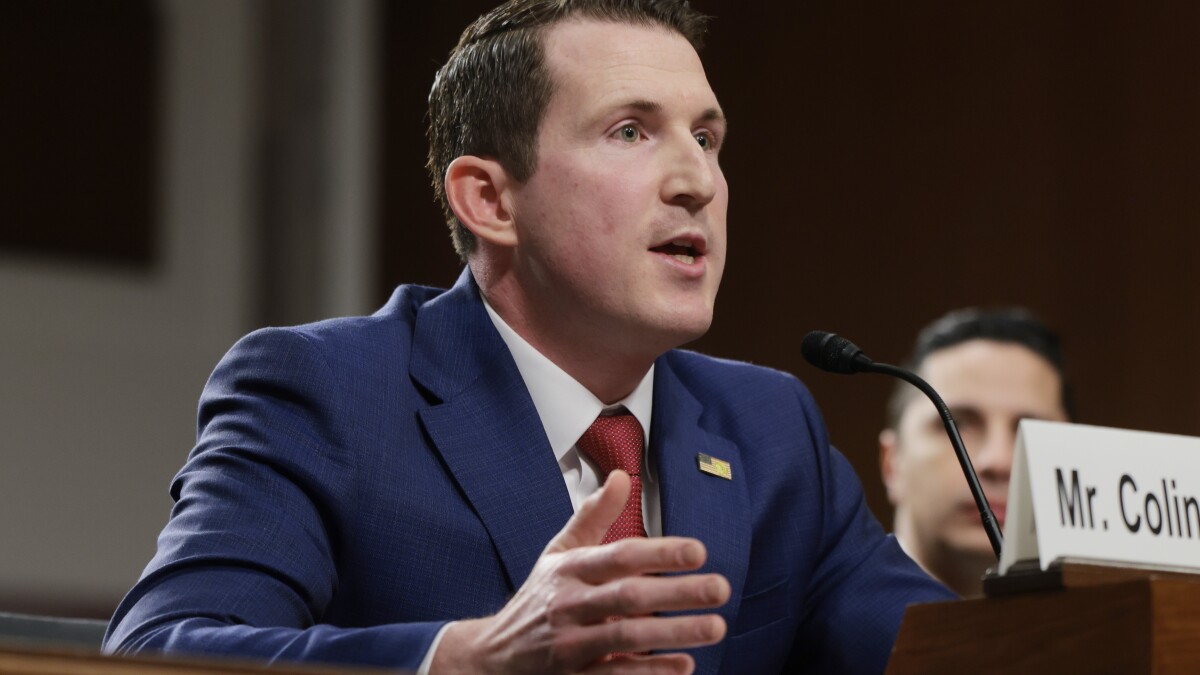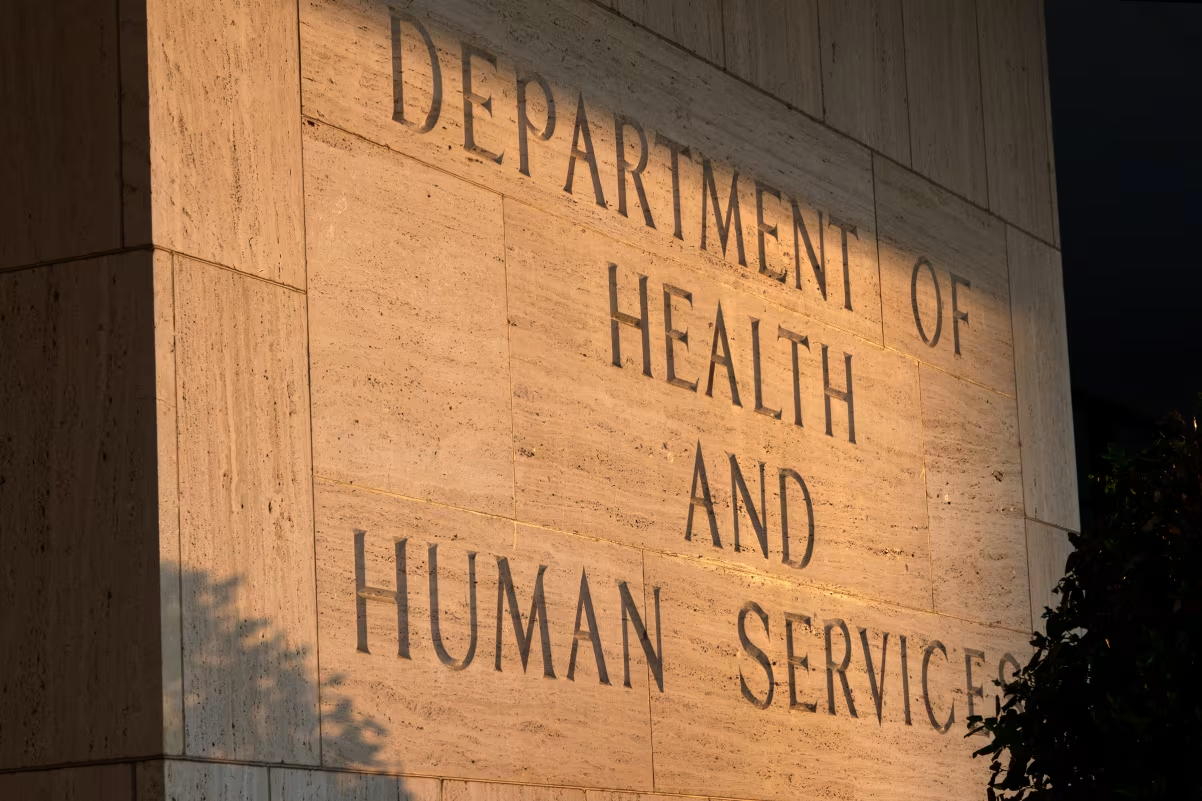
The decision by the U.S. Department of Health and Human Services to terminate multiple federal grants awarded to the American Academy of Pediatrics marks a significant turning point in the relationship between the federal government and one of the most influential pediatric organizations in the country. The move affects programs worth millions of dollars. This reflects a broader redefinition of what federal health authorities consider aligned with national priorities. As a result, long-standing initiatives focused on infant mortality, rural health access, mental health, and developmental disorders now face uncertainty at a time when pediatric health systems are already under strain.
Federal Funding Realignment and Its Impact on Child Health Programs
The American Academy of Pediatrics, which represents more than 67,000 pediatricians across the United States, has confirmed that seven federally funded grants were terminated under the authority of HHS. These grants supported a wide range of child health initiatives, from sudden infant death prevention to early autism identification and fetal alcohol spectrum disorder prevention. Collectively, the canceled programs involved funding totaling several million dollars. These resources were distributed nationally through hospitals, clinics, and community-based partnerships.
HHS officials have framed the funding cuts as part of a broader effort to ensure that federal dollars are directed toward initiatives that align with the department’s evolving mission. Under the current leadership, HHS has emphasized chronic disease prevention, environmental health risks, and revised approaches to public health oversight. The department’s scope and priorities are outlined through its official policy framework at https://www.hhs.gov. This site details how grant funding decisions are evaluated across agencies.
For pediatric providers on the ground, the loss of funding translates into reduced capacity to deliver preventive care and education in underserved communities. Rural regions, in particular, may be disproportionately affected. Many of the terminated grants were designed to bridge access gaps where pediatric specialists are scarce. The disruption also raises concerns about continuity of care for vulnerable populations that rely on federally supported outreach programs.
Growing Tensions Between Pediatric Leadership and Federal Health Authorities
The grant terminations come amid escalating tensions between the American Academy of Pediatrics and federal health leadership over public health guidance, particularly on immunization policy. The organization has repeatedly voiced concerns that recent changes to vaccine recommendations risk undermining clarity for families and clinicians. These disagreements have moved beyond public statements and into the legal arena. This signals a deepening institutional rift.
The AAP has challenged federal actions related to immunization schedules. They argue that procedural safeguards were not properly followed when guidance was altered. These disputes intersect with the role of the Centers for Disease Control and Prevention, whose vaccine advisory processes are central to national immunization policy. The CDC’s advisory structure and public health mandate can be explored at https://www.cdc.gov, where vaccination guidance and regulatory frameworks are publicly documented.
In parallel, HHS leadership has asserted that funding decisions are separate from litigation and policy disagreements. They emphasize instead the need to recalibrate federal investments. Nonetheless, the overlap between policy disputes and funding cuts has fueled concern among medical groups. They worry that grant decisions may have broader implications for scientific independence and evidence-based advocacy.
Legal Challenges, Public Health Governance, and Broader Implications
In response to the funding cancellations, the American Academy of Pediatrics has indicated it is evaluating legal options, adding another layer to its ongoing court challenges against federal health authorities. These cases hinge on questions of administrative law, including whether changes to health recommendations and funding allocations comply with established federal procedures. Oversight of such matters falls under statutes that govern advisory committees and agency decision-making. These topics are frequently analyzed within the federal judiciary system outlined at https://www.uscourts.gov.
Beyond the courtroom, the situation underscores a larger debate about the role of professional medical organizations in shaping public health policy. Pediatric leaders argue that frontline clinical expertise is essential for effective guidance. This is especially true as preventable diseases place renewed pressure on health systems. From their perspective, withdrawing funding from pediatric-focused initiatives risks long-term costs that could far exceed the immediate budgetary savings.
At the same time, the funding shift reflects a broader trend in federal governance, where administrations seek to redefine public health priorities in line with their policy agendas. Research institutions and policy analysts have noted that such transitions often create periods of instability for grant-dependent programs. The dynamics of federal health funding and policy realignment are frequently examined by nonpartisan research organizations such as the Kaiser Family Foundation at https://www.kff.org. They track health policy, funding flows, and their downstream effects.
As the dispute continues, the consequences extend beyond institutional politics. Pediatric care in the United States relies on a complex ecosystem of federal funding, clinical guidance, and professional advocacy. Changes to any one element can reverberate through hospitals, clinics, and households nationwide. The outcome of the current conflict between HHS and the American Academy of Pediatrics is likely to shape not only future grant allocations but also the balance of influence between government authorities and medical professionals. This will impact the direction of child health policy.