GOP Lawmakers Begin Pushing Back as Trump Expands Executive Reach
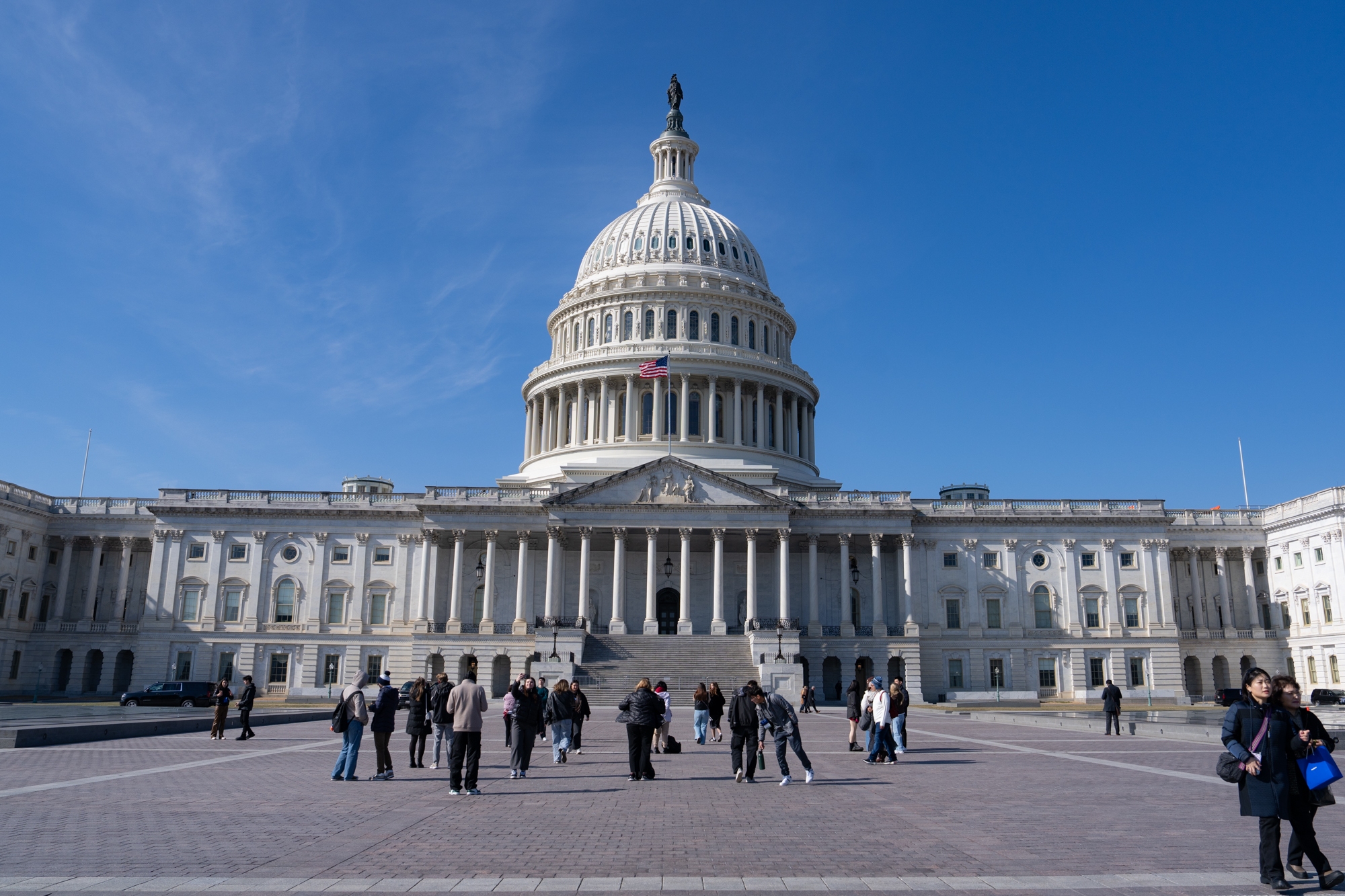
President Trump’s broad approach to executive authority has reshaped internal dynamics within the Republican Party, creating new tensions between the White House and lawmakers who believe Congress must reassert its constitutional powers. In recent weeks, signs of discomfort have emerged among several Republican senators and representatives who argue that decisions involving military intervention, tariff policies, and oversight responsibilities cannot be delegated unilaterally to the executive branch.
Concerns intensified after the Pentagon conducted a second strike targeting individuals on a damaged vessel in the Caribbean Sea, prompting a wave of criticism from lawmakers who traditionally support strong defense actions. Senator Thom Tillis openly questioned the decision-making process behind the operation, noting that congressional oversight requires transparent justification. This reaction highlights a growing insistence among some GOP members that national security actions must remain aligned with legislative checks and balances outlined in Article I of the Constitution. For context on how the Constitution allocates federal powers, readers can explore educational resources at the National Constitution Center (https://constitutioncenter.org).
Economic Pressures, Tariffs, and Fractures Within the Republican Coalition
Beyond military issues, economic policy is another source of division. Trump’s tariff-centered strategy has affected agricultural industries in states heavily represented by Republicans. Senator Susan Collins has warned that the administration’s tariff policies threaten local producers who rely on stable trade relationships. Her stance reflects amplified anxiety among lawmakers representing rural areas, where industries such as farming, fishing, and food processing depend on predictable market access.
Healthcare subsidies have also become a flashpoint. With enhanced subsidies scheduled to expire, Senator Josh Hawley cautioned that millions could face significant financial strain without timely congressional action. His comments underscore the broader debate over how economic policies intersect with commitments to constituents. For readers seeking broader context on health policy impacts, the U.S. Department of Health & Human Services (https://hhs.gov) provides detailed federal guidelines and updates.
Foreign policy disagreements add further tension, especially regarding Russia’s actions in Ukraine. Representative Don Bacon has consistently argued that the administration’s approach toward Vladimir Putin contrasts sharply with its posture toward Ukrainian President Volodymyr Zelensky, raising questions about consistency in diplomatic strategy. This divide reflects deeper ideological fragmentation over the role of American leadership in global conflicts. Readers looking for updates on international policy positions may consult the U.S. Department of State (https://state.gov).
Congressional Authority, Constitutional Duties, and the Debate on Institutional Power
Senators have also expressed alarm over proposals to eliminate the filibuster, a procedural tool that has shaped legislative debates for decades. Statements opposing the idea exhibit lawmakers’ broader interest in preserving institutional norms. At the same time, the dispute surrounding investigative files related to Jeffrey Epstein created one of the most notable breaks between Trump and Rep. Marjorie Taylor Greene, illustrating how internal loyalty can fracture when transparency concerns intersect with the expectations of congressional oversight.
Experts on legislative behavior point out that Congress has gradually ceded authority to both the executive and judicial branches over several decades. Analyst Molly Reynolds emphasizes that the legislative branch, placed first in the Constitution, was intended to serve as the closest representative of the people. Despite this foundational principle, modern political polarization has complicated congressional attempts to reclaim its powers. For a deeper understanding of legislative operations and historical precedents, readers can explore educational material at the Library of Congress (https://loc.gov).
Some lawmakers argue that the modern political climate makes it more challenging for Congress to restore its constitutional influence. After a series of elections in which Republicans underperformed, former Senator Jeff Flake noted that fear of internal political repercussions has diminished, encouraging more lawmakers to express disagreements that were previously voiced only in private. This shift raises questions about the long-term direction of the Republican Party and whether this moment represents temporary friction or a growing trend that may reshape how conservative leaders govern under a powerful executive figure.
As debates over tariffs, military actions, and congressional authority continue to intensify, the future relationship between the executive branch and Republican legislators remains uncertain. What is clear, however, is that internal disagreements within the GOP are becoming increasingly visible, suggesting a gradual but significant recalibration of how lawmakers interpret their duty to check presidential power within the framework of the U.S. Constitution.